
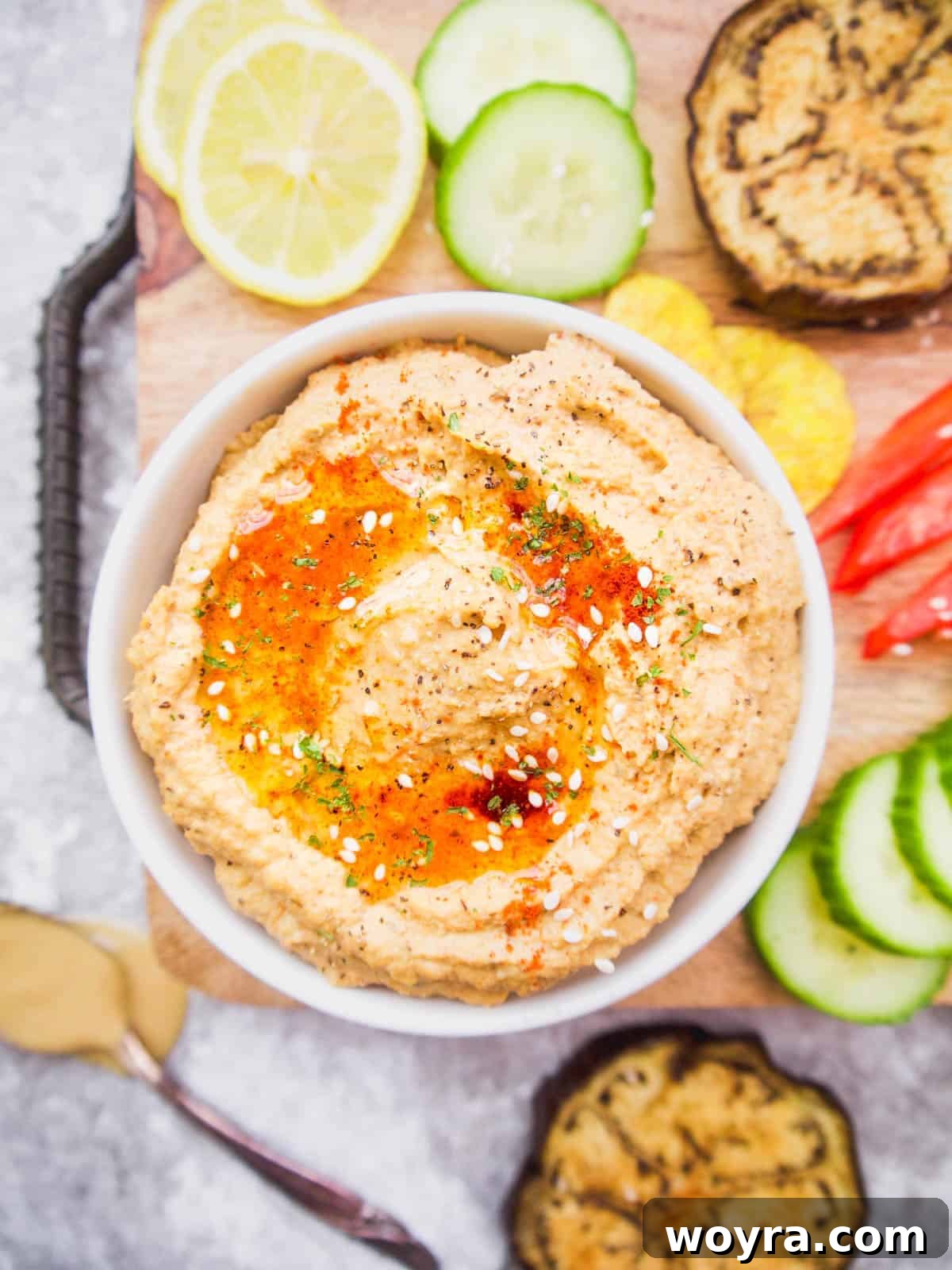
Indulge in the Mediterranean Magic: The Ultimate Paleo Cauliflower Hummus
Prepare your taste buds for an extraordinary culinary journey with this rich, creamy, and utterly delicious **Cauliflower Hummus**. Far from your average dip, this unique recipe masterfully blends the earthy sweetness of roasted cauliflower, the vibrant tang of red peppers, and the subtle depth of eggplant into a velvety smooth spread. Seasoned with traditional hummus staples like tahini, bright lemon juice, and an aromatic blend of spices, it offers all the comforting flavors of classic hummus without a single chickpea. It’s the perfect solution for anyone seeking a delightful **Paleo hummus** or a naturally **chickpea-free hummus** alternative that doesn’t compromise on flavor or texture.
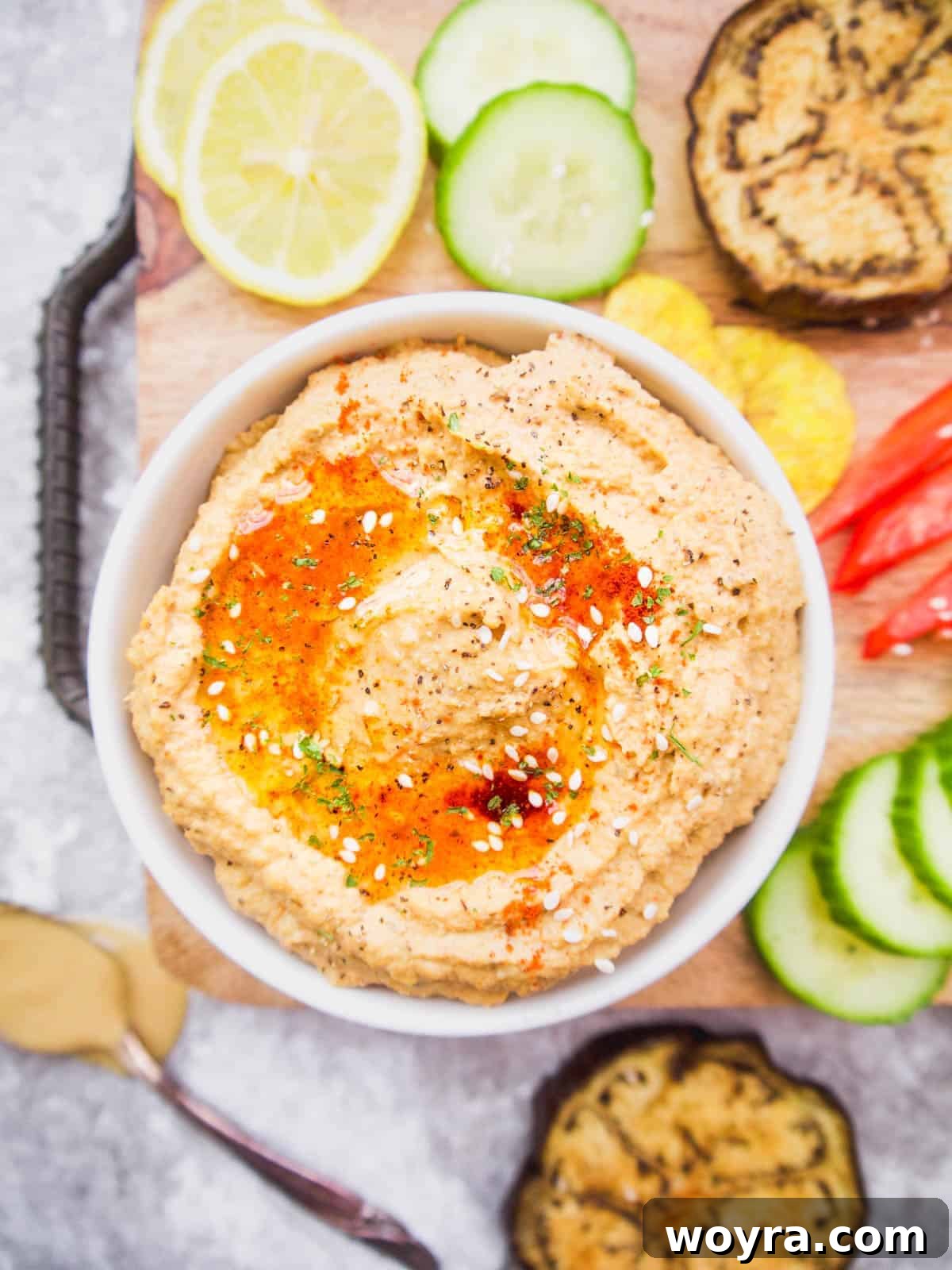
This recipe has quickly become a cherished favorite, reimagining the beloved Mediterranean dip for those following specific dietary paths. Crafted entirely from wholesome, roasted vegetables, it captures the essence of a decadent roasted veggie hummus while being completely legume-free. The synergy of roasted peppers, cauliflower, and eggplant, combined with the nutty richness of tahini, the zesty kick of lemon, a whisper of cumin, fragrant garlic powder, and a generous drizzle of olive oil, creates a flavor profile that is both complex and incredibly satisfying.
Beyond its incredible taste, this **legume-free hummus alternative** is a nutritional powerhouse. It’s naturally **Paleo, Whole30 compliant, Gluten-free, and Dairy-free**, making it an inclusive option for a wide range of dietary needs and preferences. Whether you have an allergy to chickpeas or simply prefer to avoid legumes, this cauliflower hummus ensures you don’t miss out on the joy of a creamy, flavorful dip. If your diet allows for chickpeas, you might also enjoy exploring other creative hummus variations like our savory pumpkin hummus or the aromatic roasted carrot za’atar hummus.
Table of Contents
- Why You Will Adore This Cauliflower Hummus
- Deciphering the Paleo Diet: Is Hummus Paleo?
- Key Ingredients for the Perfect Paleo Hummus
- Step-by-Step Guide to Making Cauliflower Hummus
- Expert Tips for a Flawless Chickpea-Free Hummus
- Creative Serving Suggestions for Your Mediterranean Dip
- Other Delightful Snack Recipes to Explore
- Mediterranean Cauliflower Hummus (Paleo, Gluten-free) Recipe Card
Why You Will Adore This Cauliflower Hummus
This recipe isn’t just another dip; it’s a game-changer for healthy snacking and meal prep. Here’s why this Paleo Cauliflower Hummus is destined to become a staple in your kitchen:
- Authentic Hummus Flavor, Reimagined: It brilliantly mimics the rich, creamy texture and savory depth of traditional hummus, but with an innovative, chickpea-free twist. You get all the classic taste without the legumes.
- Allergy-Friendly Alternative: For individuals with chickpea or legume allergies, this recipe opens up a world of possibilities, allowing them to enjoy hummus-like flavors safely and deliciously.
- Perfect for Specialized Diets: Seamlessly integrates into a Paleo or Whole30 eating plan. It’s also naturally gluten-free and dairy-free, catering to a wide array of dietary restrictions and health-conscious lifestyles.
- Surprisingly Simple to Prepare: Despite its gourmet taste, this hummus comes together with remarkable ease and speed. The roasting process enhances the flavors, and the blending is quick, making it ideal for busy schedules.
- Nutrient-Rich Ingredients: Packed with wholesome vegetables like cauliflower, red pepper, and eggplant, this dip is not only delicious but also contributes valuable vitamins, minerals, and fiber to your diet.
- Versatile Culinary Staple: Beyond being a dip, it can be a spread for wraps, a base for bowls, or a flavorful accompaniment to grilled meats and vegetables, adding a Mediterranean flair to any dish.
Deciphering the Paleo Diet: Is Hummus Paleo?
The Paleo diet, often referred to as the “caveman diet,” emphasizes foods that our ancestors might have eaten during the Paleolithic era. This includes lean meats, fish, fruits, vegetables, nuts, and seeds, while strictly avoiding grains, legumes, dairy, refined sugar, and processed foods. The core philosophy is to consume foods that are evolutionarily aligned with human biology, believed to promote optimal health.
Given these guidelines, the answer to “is hummus paleo?” is generally **no**, when referring to traditional hummus made with chickpeas. Chickpeas, like all beans and lentils, are legumes. Legumes are typically excluded from the Paleo diet due to their phytic acid and lectin content, which some believe can interfere with nutrient absorption and potentially cause digestive issues.
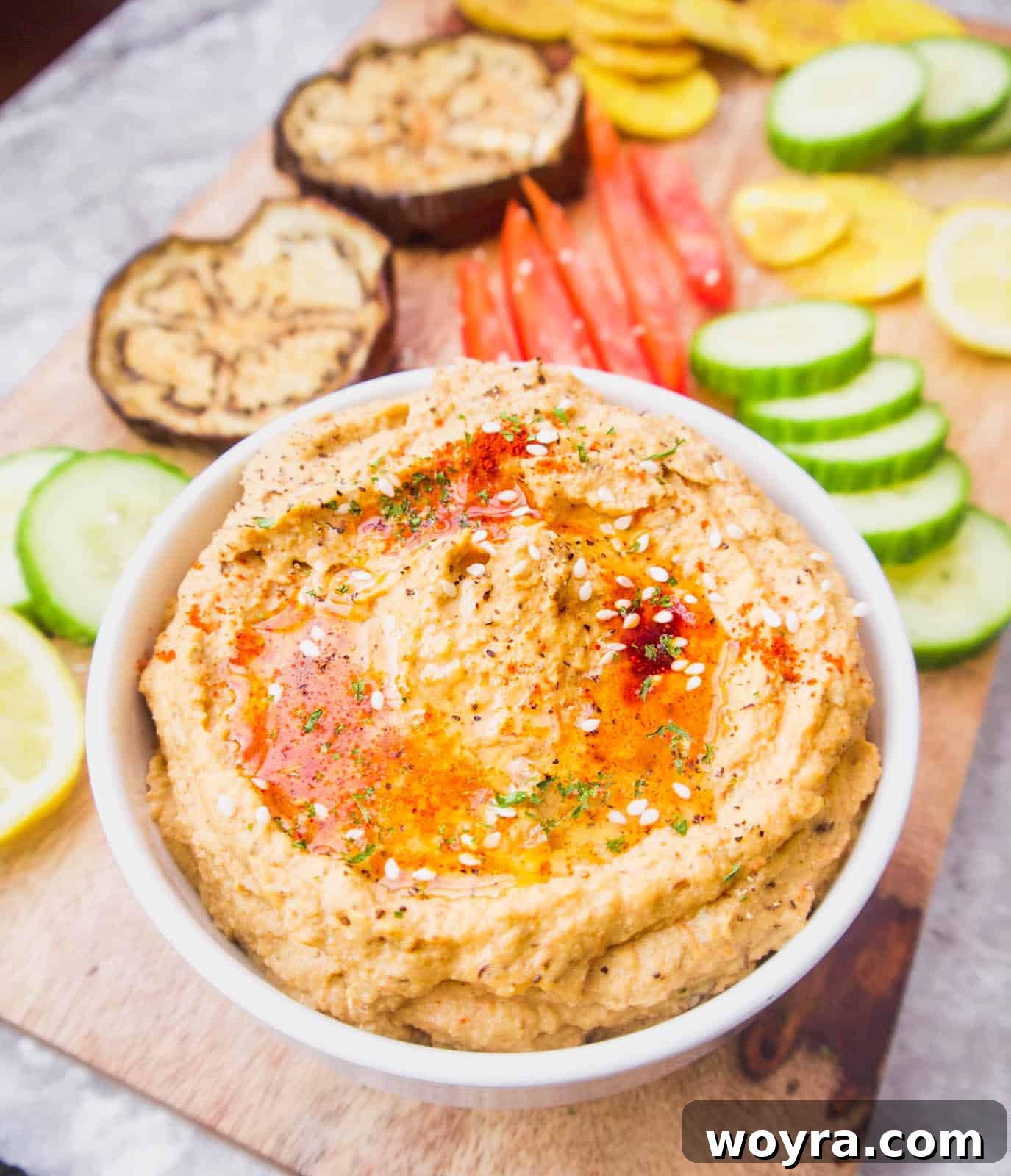
However, the beauty of this **cauliflower hummus recipe** lies in its innovative approach. By replacing chickpeas with roasted vegetables like cauliflower, red peppers, and eggplant, we create a delicious and wholesome dip that perfectly aligns with Paleo principles. This allows you to enjoy the creamy texture and rich, savory flavors reminiscent of classic hummus, all while adhering to a legume-free diet. So, yes, when you make hummus from alternative ingredients such as cauliflower, you can absolutely savor a Paleo-friendly version!
Key Ingredients for the Perfect Paleo Hummus
The magic of this chickpea-free hummus lies in the harmonious blend of its simple yet powerful ingredients. Each component plays a crucial role in creating the rich flavor and smooth texture you’ll come to love:
- Cauliflower: The star of the show! A full head of cauliflower, cut into florets and roasted, becomes incredibly tender and develops a sweet, nutty flavor. It provides the bulk and creamy base for our hummus, making it wonderfully hearty and satisfying.
- Red Pepper: Roasting red peppers brings out their inherent sweetness and adds a beautiful, smoky depth, infusing the hummus with a distinctive Mediterranean brightness and a gorgeous color.
- Eggplant: Another Mediterranean staple, roasted eggplant contributes a silky texture and a subtle, earthy richness. When cooked until tender, it blends seamlessly, enhancing the overall creaminess and complex flavor profile of the dip.
- Tahini: This rich sesame paste is non-negotiable for an authentic hummus taste. It provides that characteristic nutty, slightly bitter, and deeply satisfying flavor, alongside contributing to the velvety smooth consistency.
- Olive Oil: Used both for roasting the vegetables and for blending into the hummus, high-quality olive oil adds a fruity, peppery note and helps achieve the desired smooth, emulsified texture. It also delivers healthy monounsaturated fats.
- Lemon Juice: Freshly squeezed lemon juice is essential for brightening the flavors. Its acidity cuts through the richness of the tahini and roasted vegetables, adding a vital zest that balances the entire dish.
- Garlic Powder: For a convenient burst of savory garlic flavor that disperses evenly throughout the dip. You can also use roasted fresh garlic cloves for an even deeper, sweeter garlic note.
- Cumin: This warm, earthy spice is a hallmark of Mediterranean cuisine and absolutely crucial for giving the hummus its classic, aromatic depth. It ties all the flavors together beautifully.
- Paprika: While optional, a sprinkle of paprika as a garnish not only adds a lovely visual appeal but also a hint of mild, smoky flavor that complements the roasted vegetables.
For precise quantities and a detailed list of all ingredients and measurements, please refer to the comprehensive recipe card below.
Step-by-Step Guide to Making Cauliflower Hummus
Creating this flavorful cauliflower hummus is a straightforward process that primarily involves roasting and blending. Follow these simple steps to achieve a perfectly smooth and delicious dip:
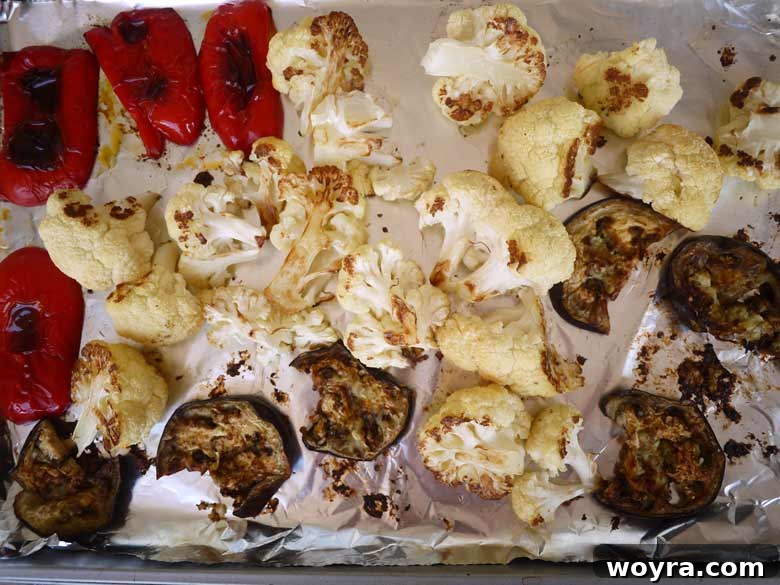
Step 1: Prepare and Roast the Vegetables. Begin by preheating your oven to 400°F (200°C). Line a large baking sheet with aluminum foil for easy cleanup, then drizzle 1 tablespoon of olive oil over the foil. Arrange the cauliflower florets, sliced red pepper, and sliced eggplant on the baking sheet. Toss them gently to ensure they are thoroughly coated in the olive oil. Spread them in a single layer to promote even roasting and caramelization. Roast for approximately 40 minutes, flipping the vegetables halfway through, until they are beautifully tender and slightly caramelized at the edges. This caramelization is key to developing a rich, deep flavor for your hummus.
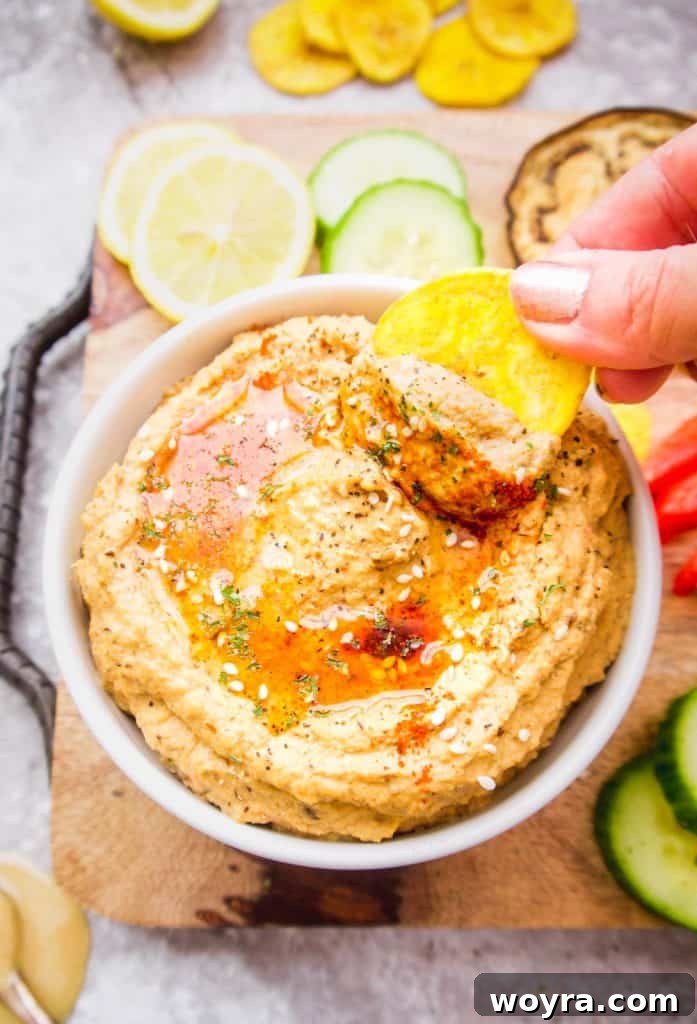
Step 2: Blend to Perfection. Allow the roasted vegetables to cool slightly for about 10-15 minutes – this helps prevent steaming and maintains vibrant flavors. Transfer the cooled roasted cauliflower, red pepper, and eggplant to a high-speed blender or food processor. Add the tahini, the remaining 4 tablespoons of olive oil, fresh lemon juice, salt, garlic powder, black pepper, and cumin. Blend on high until the mixture transforms into a luxuriously smooth and creamy hummus texture. You may need to pause and scrape down the sides of the blender with a spatula a few times to ensure everything is incorporated evenly. The blending process typically takes about 3-5 minutes, depending on the power of your appliance. Once smooth, transfer your exquisite Paleo Cauliflower Hummus to a serving bowl.
Expert Tips for a Flawless Chickpea-Free Hummus
Achieving the perfect consistency and flavor for your chickpea-free hummus is easy with a few insider tricks. Keep these expert tips in mind for a consistently delicious result:
- Taste and Adjust Seasonings: Don’t be shy about tasting your hummus as you blend! Seasoning to your preference is key. You can easily add more lemon juice for extra brightness, a touch more tahini for nutty depth, additional olive oil for a richer flavor, or extra cumin for more warmth. Adjusting salt and pepper is also crucial for balance.
- Achieve Your Desired Consistency: If your hummus appears too thick or you prefer a silkier texture, simply add a bit more olive oil, one tablespoon at a time, while blending. For a lighter, slightly thinner consistency, you can also add a small amount of warm water, but olive oil will always enhance the flavor and richness.
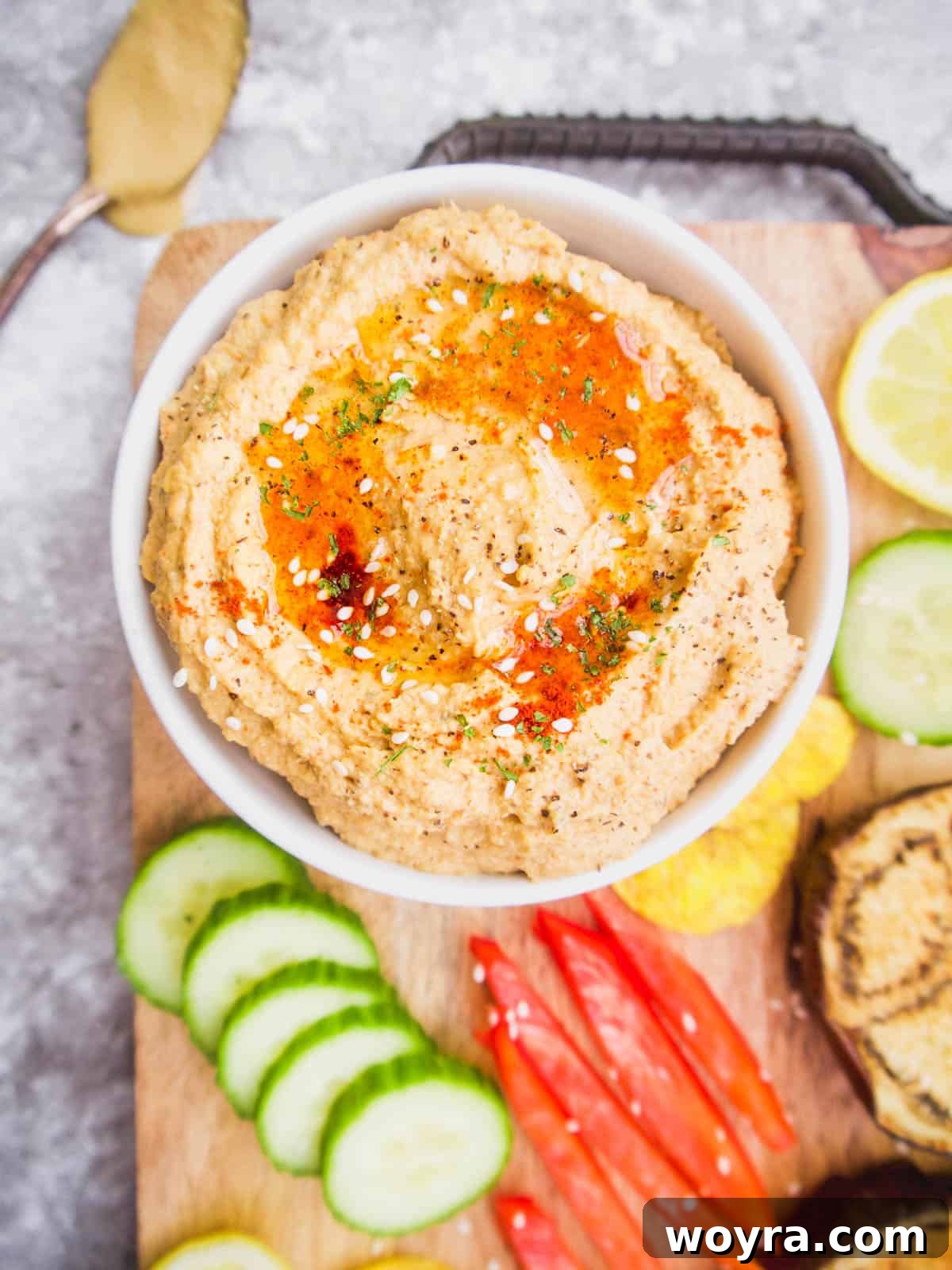
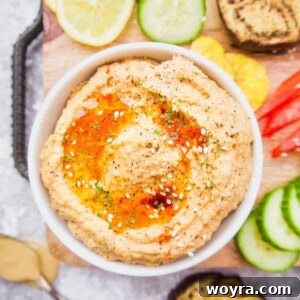
- Elevate Your Presentation: When serving, always transfer your freshly made hummus to a beautiful bowl. Create a small well in the center with the back of a spoon and drizzle generously with extra virgin olive oil. A final sprinkle of paprika (smoked paprika adds another layer of flavor) or a handful of fresh chopped parsley can elevate both the visual appeal and the taste.
- Proper Storage for Freshness: Store any leftover cauliflower hummus in an airtight container in the refrigerator. It will stay fresh for up to 4-5 days. A layer of olive oil on top can also help prevent it from drying out and maintains its vibrant color.
- Experiment with Roasting: While the recipe specifies cauliflower, red pepper, and eggplant, don’t hesitate to experiment with other roasted vegetables! Sweet potato, zucchini, or even carrots could offer interesting flavor variations while keeping it Paleo-friendly.
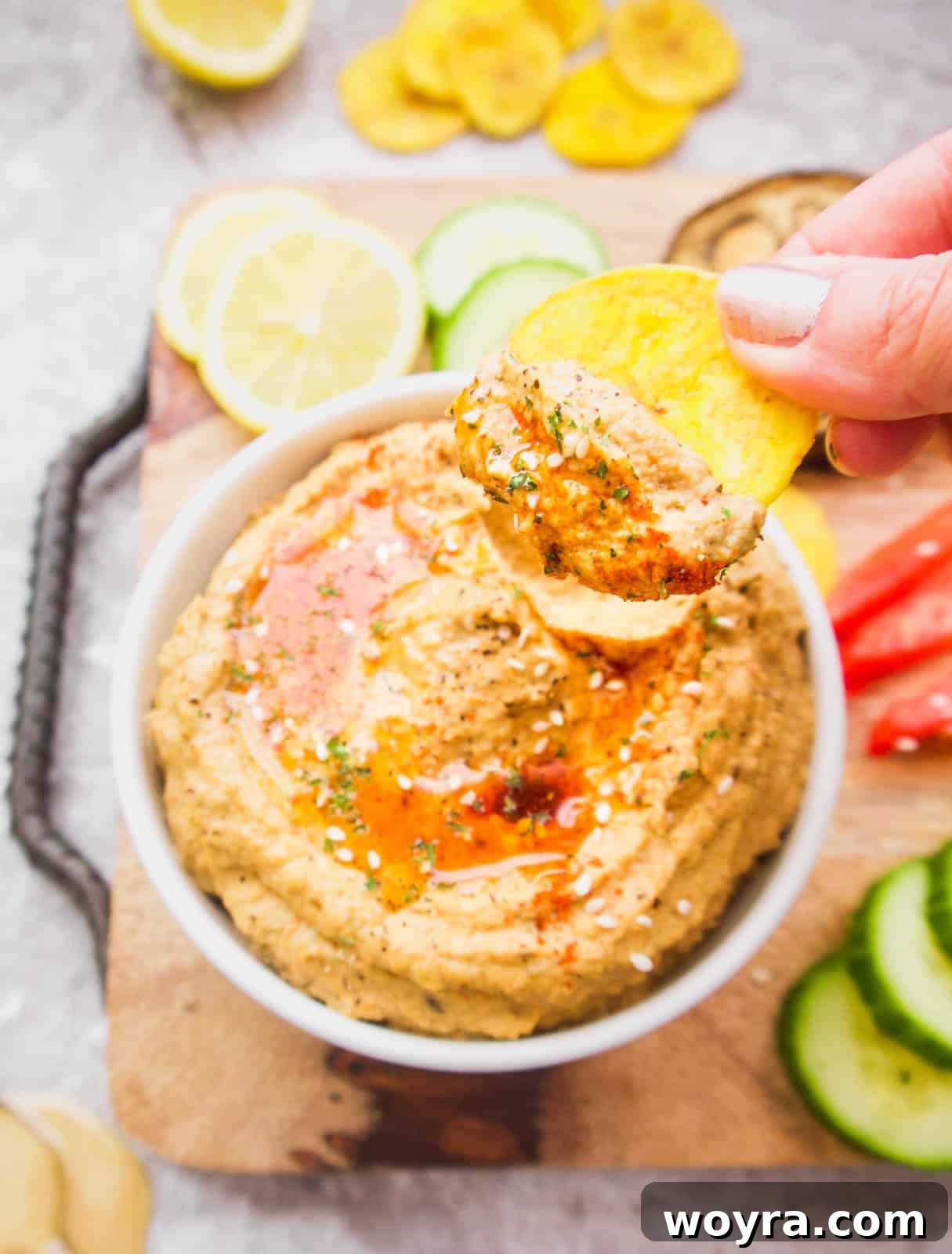
Creative Serving Suggestions for Your Mediterranean Dip
This versatile Paleo Cauliflower Hummus is more than just a dip; it’s a culinary chameleon that can elevate countless meals and snacks. Here are some delightful ways to serve it:
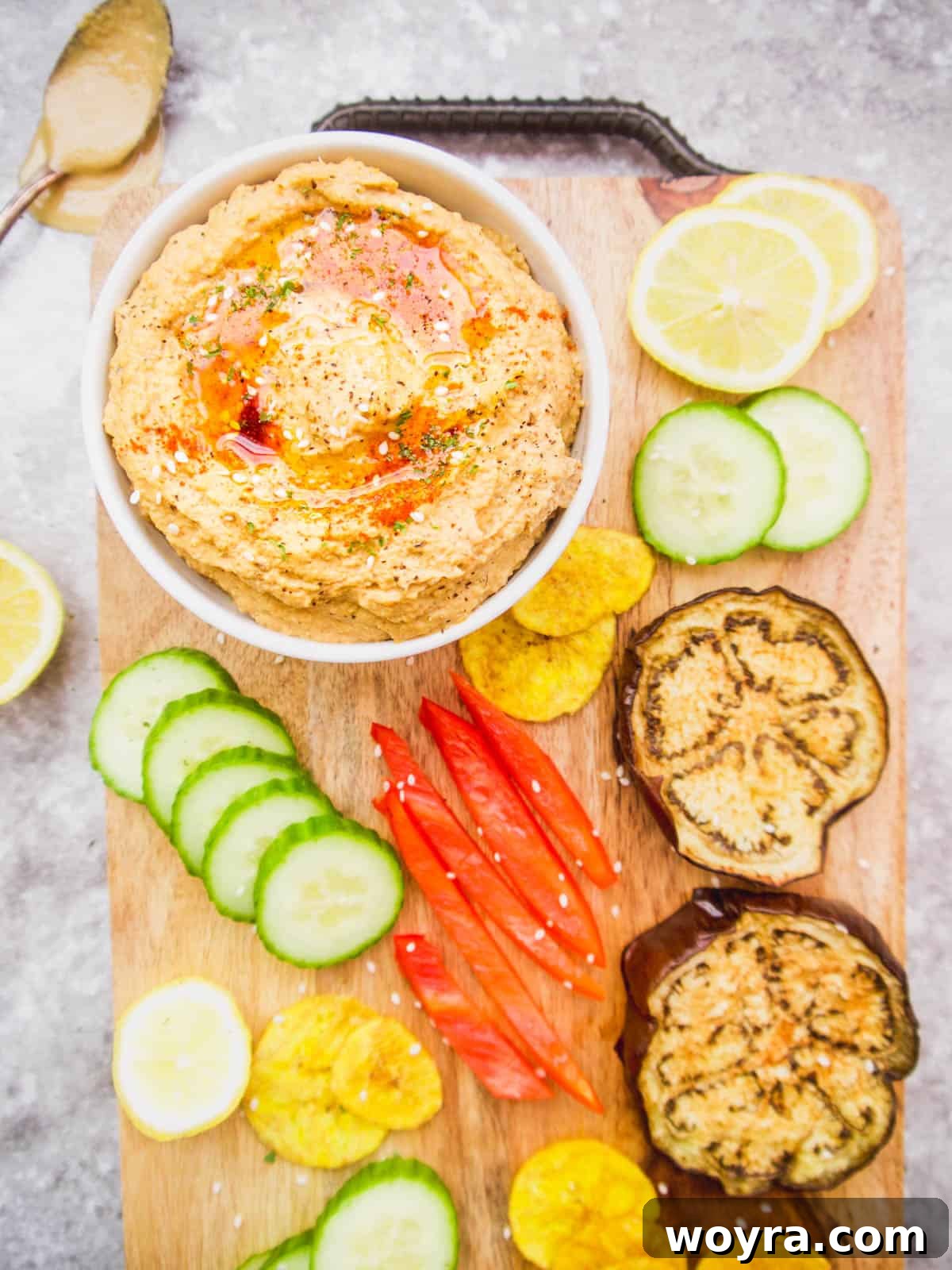
- Classic Veggie Dippers: The simplest and often most satisfying way to enjoy this hummus is with an assortment of crisp, raw vegetables. Think vibrant carrot sticks, refreshing cucumber slices, crunchy red pepper strips, juicy cherry tomatoes, crisp celery stalks, and tender broccoli florets.
- Paleo-Friendly Chips and Crackers: For that satisfying crunch, pair your hummus with plantain chips – a popular Paleo-approved option. You can also explore other grain-free chips or crackers that fit your dietary requirements.
- Homemade Crackers: Elevate your dipping experience by making your own Paleo Everything Almond Crackers. Their savory flavor and sturdy texture make them the perfect vehicle for this creamy hummus.
- Healthier Snack Pairings: For more inspiration on gluten-free and dairy-free snack ideas that would complement this hummus beautifully, check out this comprehensive list of Gluten-free Dairy-free Snacks from Allergy Awesomeness.
- Spread for Wraps and Sandwiches: Use this hummus as a delicious and healthy spread in lettuce wraps, collard green wraps, or on your favorite Paleo bread or crackers instead of mayonnaise or other condiments.
- Dollop on Bowls and Salads: Add a generous dollop to your Buddha bowls, grain-free salad bowls, or even as a flavorful topping for grilled chicken or fish. It adds instant creaminess and a burst of Mediterranean flavor.
- Accompaniment to Meals: Serve it alongside grilled kebabs, roasted meats, or as part of a vibrant mezze platter with olives, sun-dried tomatoes, and fresh herbs.
Other Delightful Snack Recipes to Explore
If you loved this Paleo Cauliflower Hummus, you’re in for a treat! Discover more healthy and delicious snack ideas that align with a Paleo or gluten-free lifestyle:
Did you try this recipe? Please leave me a ⭐ review below!
Mediterranean Cauliflower Hummus (Paleo, Gluten-free)
Share by Email
Print Recipe
Ingredients
- 1 head cauliflower, cut into smaller florets
- 1/2 red pepper, sliced
- 1/2 large eggplant, sliced (if your eggplant is small, use all of it)
- 4 Tbs tahini
- 5 Tbs olive oil, (divided- 4 Tbs for the hummus, 1 Tbs to roast the veggies)
- 4 Tbs lemon juice
- 1 tsp salt
- 1 tsp garlic powder
- 1/4 tsp black pepper
- 1/2 tsp cumin
- Paprika for garnish
- Olive oil for garnish
Instructions
- Preheat the oven to 400 degrees Fahrenheit (200°C).
- Cover a baking sheet with aluminum foil and drizzle 1 tablespoon of olive oil on top.
- Place the eggplant, red peppers, and cauliflower florets on the pan. Toss the vegetables to ensure they are nicely coated in the olive oil and spread them in a single layer.
- Cook for 40 minutes, making sure to flip the vegetables halfway through to ensure even caramelization.
- Let the roasted vegetables cool for about 10-15 minutes.
- Transfer the cooled roasted vegetables, tahini, the remaining 4 tablespoons of olive oil, lemon juice, salt, garlic powder, black pepper, and cumin into a blender or food processor.
- Blend the ingredients until they achieve a smooth, creamy hummus texture. Scrape the sides of the blender with a spatula as needed to incorporate everything. This usually takes about 3-5 minutes, depending on your blender’s power.
- Once the hummus is perfectly smooth, transfer it to a serving bowl, garnish with a sprinkle of paprika and a drizzle of extra olive oil, and enjoy!
Notes
- Customize the seasonings to your tastes. You can add more or less of the lemon, tahini, olive oil, cumin, salt, or pepper to achieve your desired flavor profile.
- If you want to thin out the texture of your hummus, add more olive oil (or a touch of warm water) one tablespoon at a time until it reaches your preferred consistency.
- When serving, always present the hummus in a bowl and add an extra drizzle of olive oil on top, perhaps with a sprinkle of paprika or fresh herbs, for an appealing finish.
Nutrition
Carbohydrates: 11g
Protein: 4g
Fat: 17g
Saturated Fat: 3g
Polyunsaturated Fat: 4g
Monounsaturated Fat: 11g
Sodium: 422mg
Potassium: 461mg
Fiber: 4g
Sugar: 4g
Vitamin A: 329IU
Vitamin C: 64mg
Calcium: 43mg
Iron: 1mg
Nutrition information is automatically calculated, so should only be used as an approximation.
Additional Info
Tried this recipe?
Mention @perchancetocook or tag #perchancetocook!