
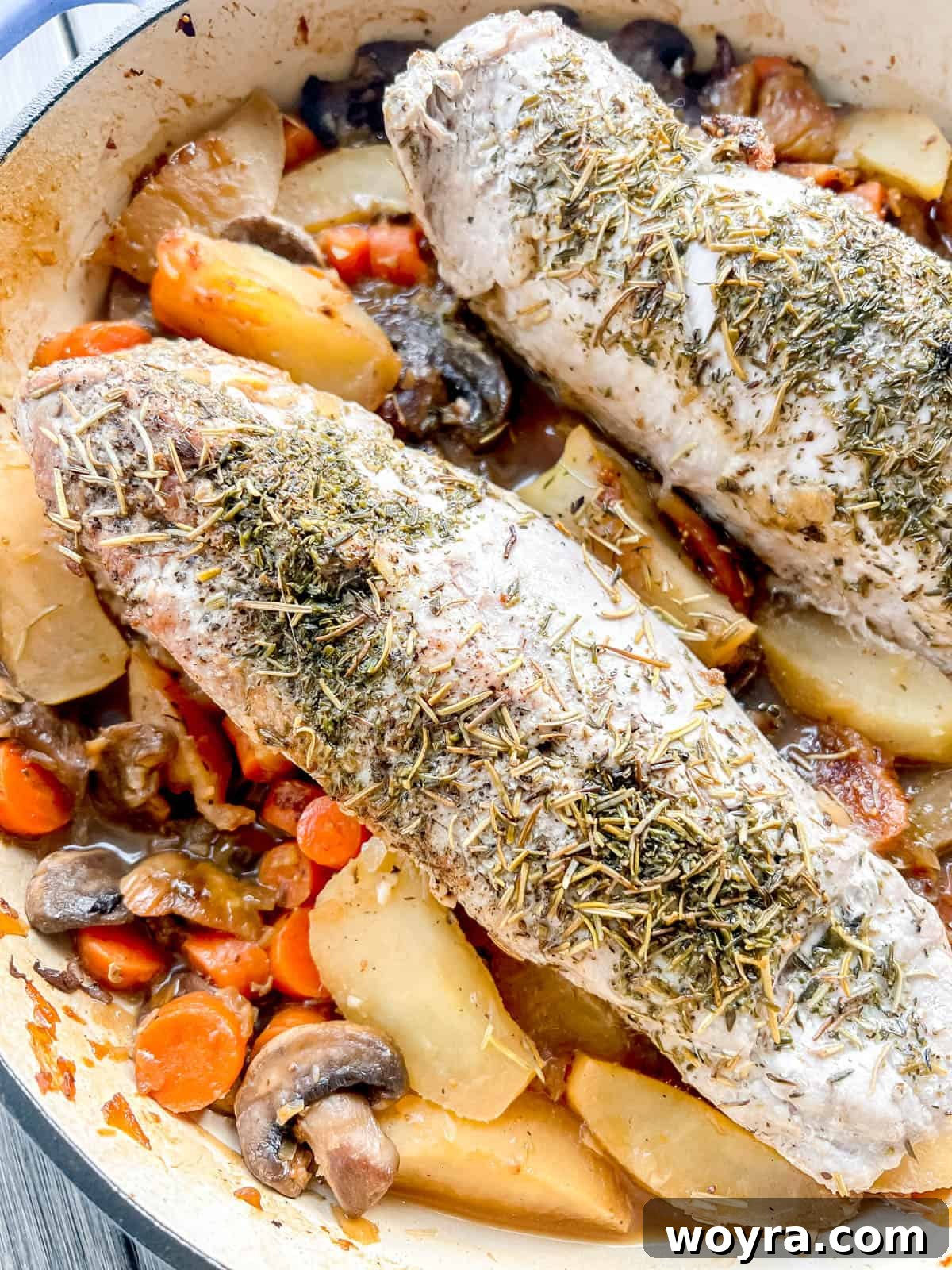
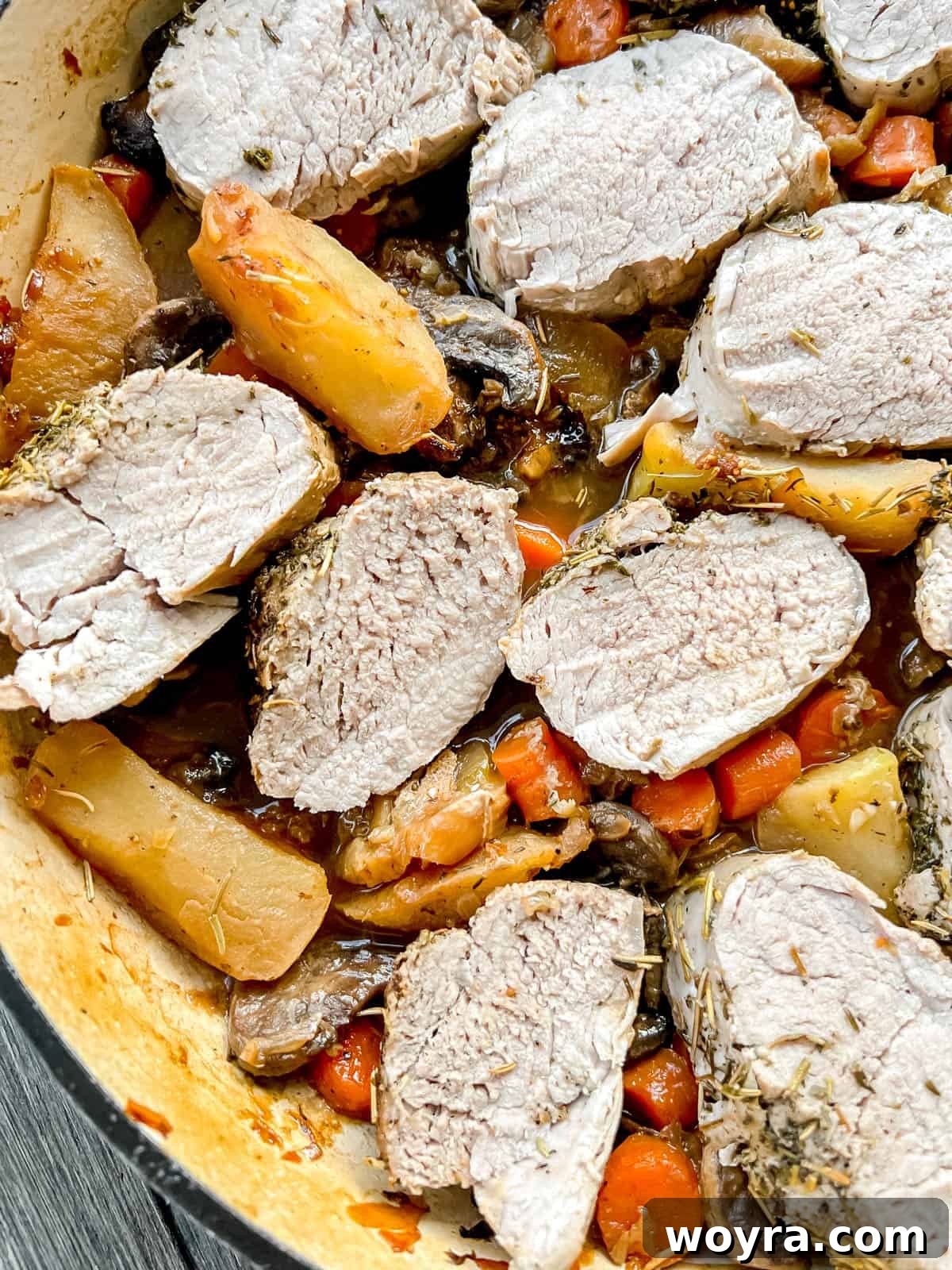
Succulent Dutch Oven Pork Tenderloin with Apples and Figs: A Seasonal Delight
Prepare to be amazed by this delectable Pork Tenderloin with Apples and Figs, slow-cooked to perfection in a Dutch oven. This recipe creates a symphony of flavors, where tender pork meets the natural sweetness of apples and figs, complemented by earthy carrots and mushrooms, resulting in a truly unforgettable meal. It’s an ideal dish for those seeking a wholesome, flavorful, and relatively hands-off cooking experience.
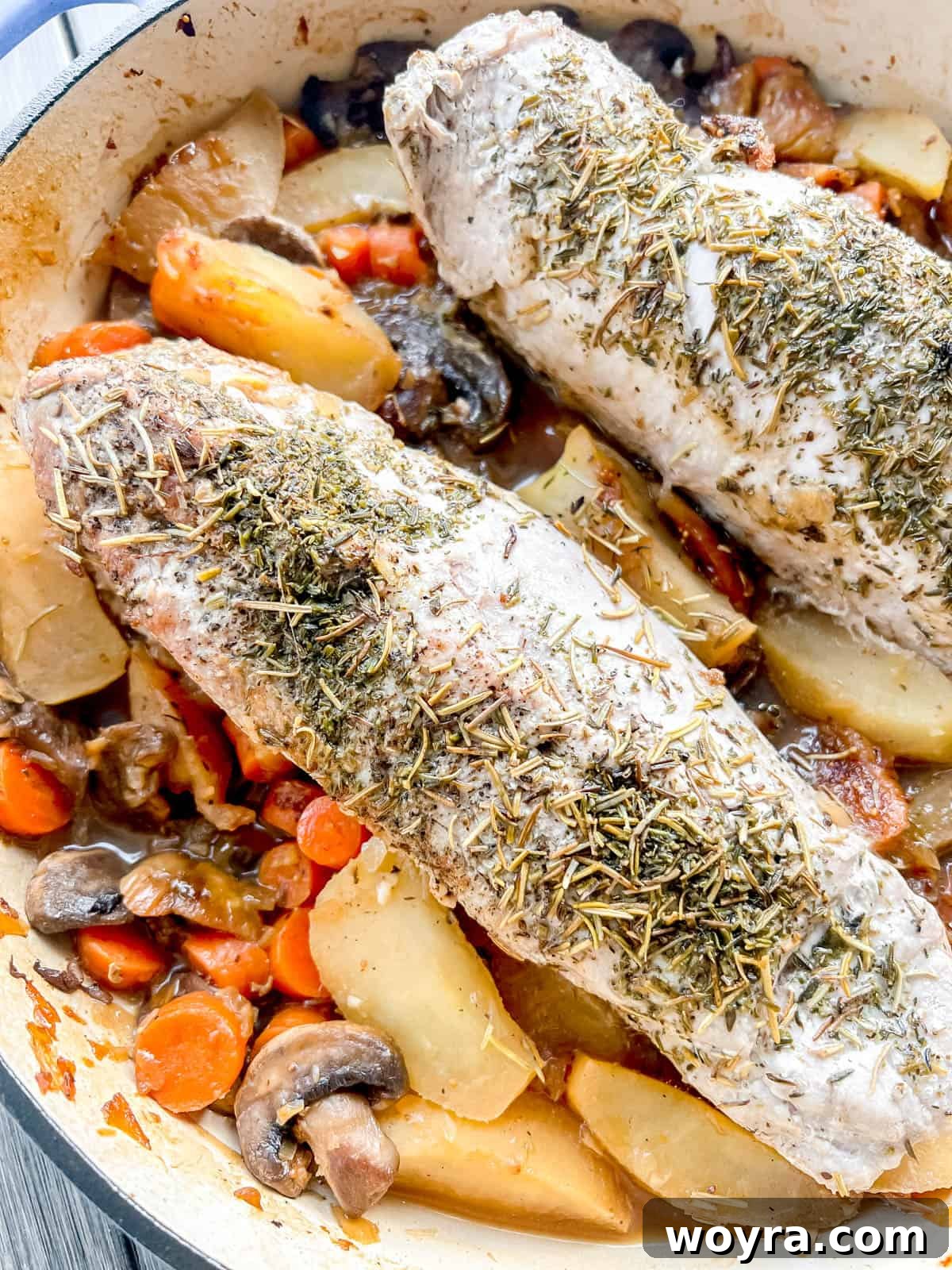
If you’re searching for a remarkable way to prepare pork tenderloin, look no further. This one-pan Dutch oven recipe transforms a simple cut of meat into a gourmet experience that feels both comforting and elegant. As it slow-braises, the natural sugars from the apples and figs caramelize, creating a rich, sweet, and savory sauce that beautifully coats the succulent pork. The addition of vibrant carrots and hearty mushrooms not only enhances the flavor profile but also adds delightful textures, making this a complete and wholesome meal ideal for any occasion, from a cozy family dinner to a festive gathering.
This exquisite Dutch oven pork tenderloin with apples and figs pairs wonderfully with a variety of sides. Consider serving it alongside creamy cottage cheese mashed potatoes, a comforting mashed butternut squash, or even simple white rice and a fresh green salad for a lighter option. For an added touch of green and extra nutrients, a side of perfectly boiled broccoli or steamed asparagus would be an excellent complement to this richly flavored dish.
Table of Contents
- Why You’ll Adore This Recipe
- Essential Ingredients for Perfection
- The Magic of Dutch Oven Cooking
- Step-by-Step Guide to Deliciousness
- Expert Tips & FAQs
- Serving Suggestions & Variations
- Other Pork Recipes You’ll Love
- Full Recipe Card: Dutch Oven Pork Tenderloin with Apples and Figs
Why You’ll Adore This Recipe: Unveiling Its Charm
This Dutch oven pork tenderloin recipe isn’t just a meal; it’s an experience waiting to happen in your kitchen. Combining ease of preparation with exceptional taste and health benefits, here’s why this particular dish stands out:
- Unmatched Tenderness and Flavor: Pork tenderloin, a naturally lean and delicate cut, achieves unparalleled tenderness when cooked slowly in a Dutch oven. Infused with aromatic rosemary and thyme, the sweet notes of apples and figs, and the savory goodness of carrots and mushrooms, every bite is a burst of complex, comforting flavor that will impress even the most discerning palates. The slow cooking process allows the pork to absorb all these wonderful flavors, resulting in a melt-in-your-mouth texture.
- Diet-Friendly & Wholesome: This recipe is a fantastic choice for those adhering to specific dietary preferences, being naturally dairy-free, gluten-free, and suitable for a Paleo diet. It’s packed with lean protein, nutrient-rich vegetables, and wholesome fruits, making it a healthy meal that doesn’t compromise on taste. You can enjoy a hearty and satisfying dinner knowing it’s contributing to your well-being.
- Effortless & Hands-Off Cooking: One of the greatest advantages of this Dutch oven recipe is its simplicity. After a brief initial searing and sautéing on the stovetop, your Dutch oven takes over. The magic happens in the oven with minimal supervision, allowing the flavors to meld beautifully while you attend to other tasks. It’s an ideal choice for busy weeknights when you desire a home-cooked meal without constant attention, or for relaxed weekend gatherings where you want to enjoy time with guests.
- Complete One-Pan Meal: This recipe is designed to be a comprehensive meal in a single pot. With the pork, fruits, and an array of vegetables all cooked together, it simplifies both the cooking process and, perhaps even more importantly, the cleanup. Less time scrubbing pots means more time savoring your delicious creation.
- Seasonal Appeal and Versatility: Highlighting the bounty of autumn with crisp apples and rich figs, this dish brings warmth and seasonal cheer to your table. The combination of sweet and savory elements is universally appealing, making it a crowd-pleaser. Furthermore, its inherent flexibility means you can easily adapt it with different seasonal produce or herbs to suit your preferences.
Essential Ingredients for Perfection: Crafting Flavor from Scratch
The magic of this dish truly lies in the quality and harmony of its components. Selecting fresh, vibrant ingredients is key to achieving that perfect sweet and savory balance that makes this pork tenderloin recipe so special. Here’s a closer look at what you’ll need and why each element plays a crucial role:
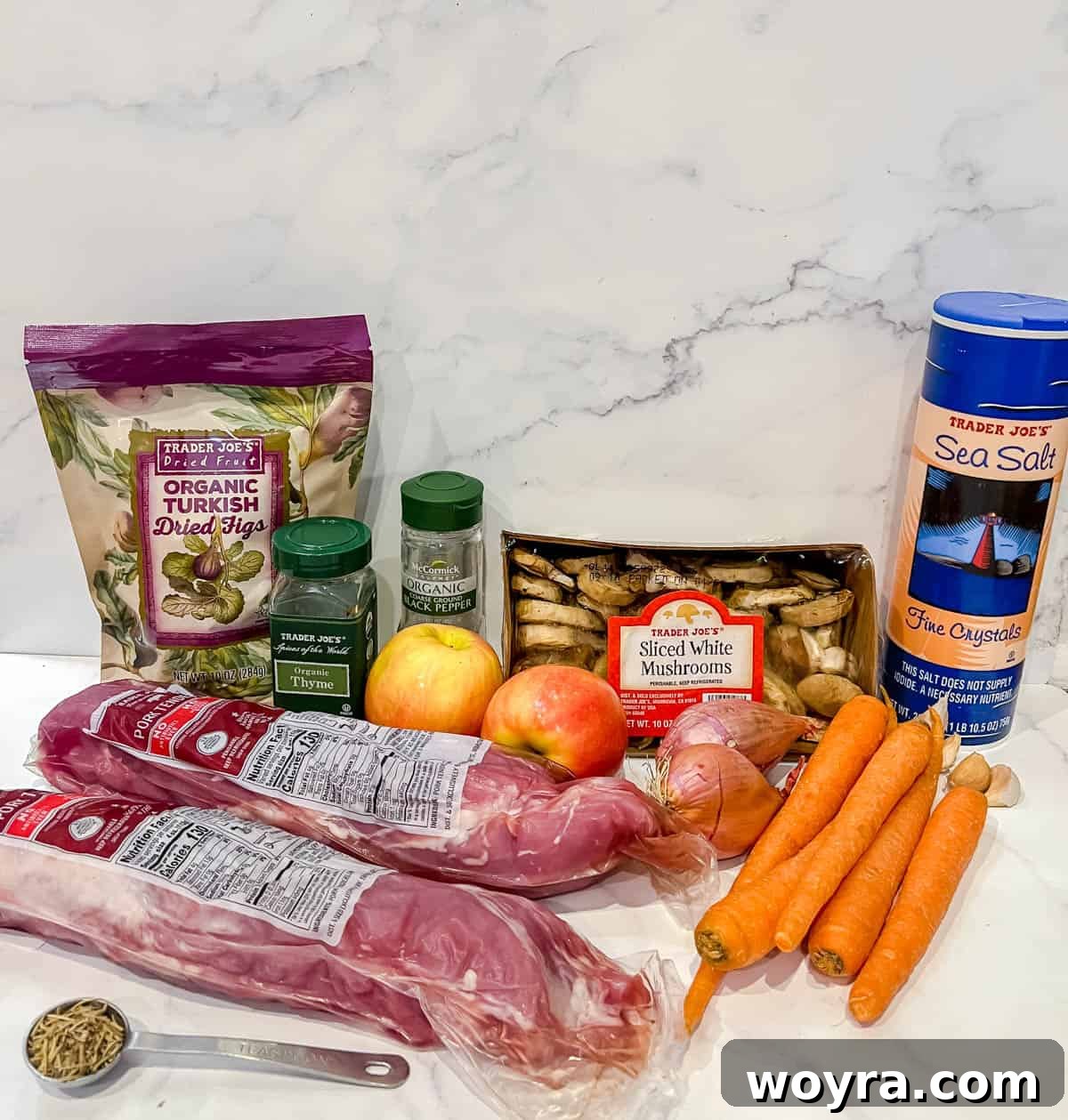
- Pork Tenderloin: This is the undeniable star of our dish. Pork tenderloin is a lean, boneless cut renowned for its delicate flavor and incredibly tender texture when cooked correctly. For this recipe, you’ll typically need two tenderloins, each weighing approximately 1.5 pounds, totaling around 3 pounds. Patting them thoroughly dry with paper towels before searing is essential for developing a beautiful, golden-brown crust, which adds a significant depth of flavor.
- Shallots and Garlic: These aromatic powerhouses form the savory foundation of our sauce. Shallots offer a milder, sweeter, and more refined onion flavor compared to regular onions, while fresh garlic adds a pungent, indispensable depth. Minced finely, they release their complex flavors beautifully into the cooking liquid, creating an aromatic base for the entire dish. If shallots are difficult to find, half a medium yellow onion can be a suitable, though slightly different, substitute.
- Apples: Providing a delightful sweet and tangy counterpoint to the savory pork, apples are a crucial component. While you can use any apple variety you prefer, for optimal results, choose firm apples that hold their shape well during cooking, such as Golden Delicious, Honeycrisp, or Fuji. Avoid overly soft varieties that might turn to mush. Remember to peel and slice them before adding them to the pot to ensure their sweetness integrates seamlessly into the sauce and they achieve a tender, yet still discernible, texture.
- Dried Figs: These add a unique, rich, and intensely sweet flavor that perfectly complements the pork and apples. As they cook, dried figs rehydrate and become wonderfully tender and jam-like, releasing their concentrated natural sugars to create a luscious, complex sauce. Slicing them into halves or quarters ensures even distribution of their delightful flavor and texture throughout the dish.
- Carrots: Offering both a touch of natural sweetness and a satisfying textural crunch, carrots absorb the savory and sweet flavors of the dish while contributing essential vitamins and a vibrant pop of color. Slicing them into uniform pieces, such as thick rounds or diagonal cuts, ensures they cook evenly and remain slightly firm, providing a pleasant bite.
- Mushrooms: Earthy and robust, mushrooms (Bella mushrooms, also known as cremini, or classic white button mushrooms are excellent choices) add an umami depth that rounds out the flavor profile. As they cook, they become wonderfully tender and absorb the rich braising liquid, enhancing the overall savory richness of the meal. Sliced mushrooms integrate perfectly into the saucy mix.
- Dried Rosemary and Thyme: These classic, fragrant herbs are indispensable for flavoring pork, offering a comforting and earthy aroma. Rosemary brings a piney, peppery, and slightly lemony note, while thyme offers a subtle, earthy, and floral essence. Together, they infuse the pork and vegetables with a warm, herbaceous character that defines the dish.
- Olive Oil, Salt, and Black Pepper: These are the fundamental seasonings. Olive oil is used for searing the pork and sautéing the aromatics, contributing a smooth richness. Salt and freshly ground black pepper are essential for enhancing the natural flavors of all the ingredients and bringing them to life.
- Water: A small amount of water is key to creating the initial braising liquid. This moisture ensures the pork remains incredibly moist and tender while the vegetables cook to perfection. It also forms the base of the delicious sauce that develops as the dish bakes.
A complete list of ingredients with precise measurements can be found in the detailed recipe card at the bottom of this page, ensuring you have everything you need for this culinary adventure.
The Magic of Dutch Oven Cooking: Why It’s the Perfect Vessel
A Dutch oven is more than just a piece of cookware; it’s a culinary workhorse that transforms humble ingredients into extraordinary meals. Its unique properties make it the ideal vessel for this pork tenderloin recipe, ensuring exceptional results every time. Made from heavy cast iron (often enameled), a Dutch oven boasts superior heat retention and even heat distribution. This means that once your pot is hot, it stays hot, allowing for consistent cooking temperatures both on the stovetop for searing and in the oven for slow braising. The tight-fitting lid creates a self-basting environment, trapping steam and moisture within the pot. This humid cooking atmosphere is crucial for keeping lean cuts like pork tenderloin incredibly moist and juicy, preventing them from drying out during the longer cooking times that build flavor. Furthermore, the robust construction allows for deep caramelization and browning, which translates to profound flavor development in your dish. From stovetop searing to oven roasting, the Dutch oven streamlines the cooking process into a single, versatile pot, minimizing cleanup and maximizing taste. It truly enhances the flavors and textures of the pork, apples, and figs, making this dish a testament to its enduring culinary appeal.
Step-by-Step Guide to Deliciousness: Crafting Your Masterpiece
Creating this flavorful Dutch Oven Pork Tenderloin with Apples and Figs is a straightforward process when you follow these clear, detailed steps. Each stage is designed to build layers of flavor, ensuring a truly memorable meal. Read through the instructions completely before you begin cooking.
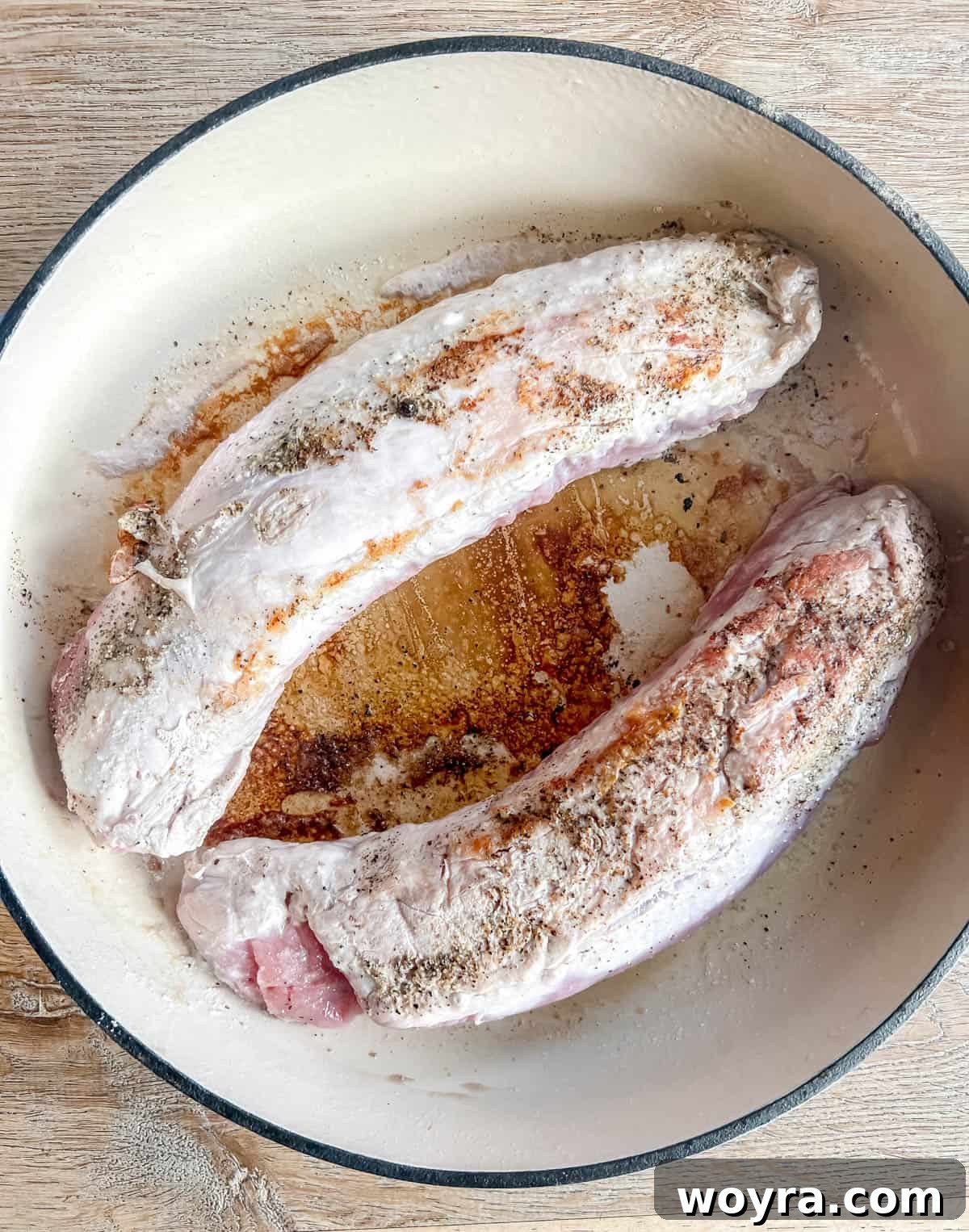
Step 1: Prepare and Sear the Pork. Begin by preheating your oven to 400°F (200°C), ensuring it’s ready when needed. Place your large cast iron casserole or Dutch oven on the stovetop and add 1 tablespoon of olive oil. Heat the oil over medium-high heat until it shimmers. While the oil heats, generously season the pork tenderloins on all sides with 1 teaspoon of salt and 1/2 teaspoon of freshly ground black pepper. Carefully place the seasoned pork into the hot pan and sear for 2-3 minutes on each side. The goal here is to develop a beautiful, golden-brown crust, which locks in moisture and adds a crucial layer of flavor. Once evenly seared, remove the tenderloins from the pan and set them aside on a clean plate.
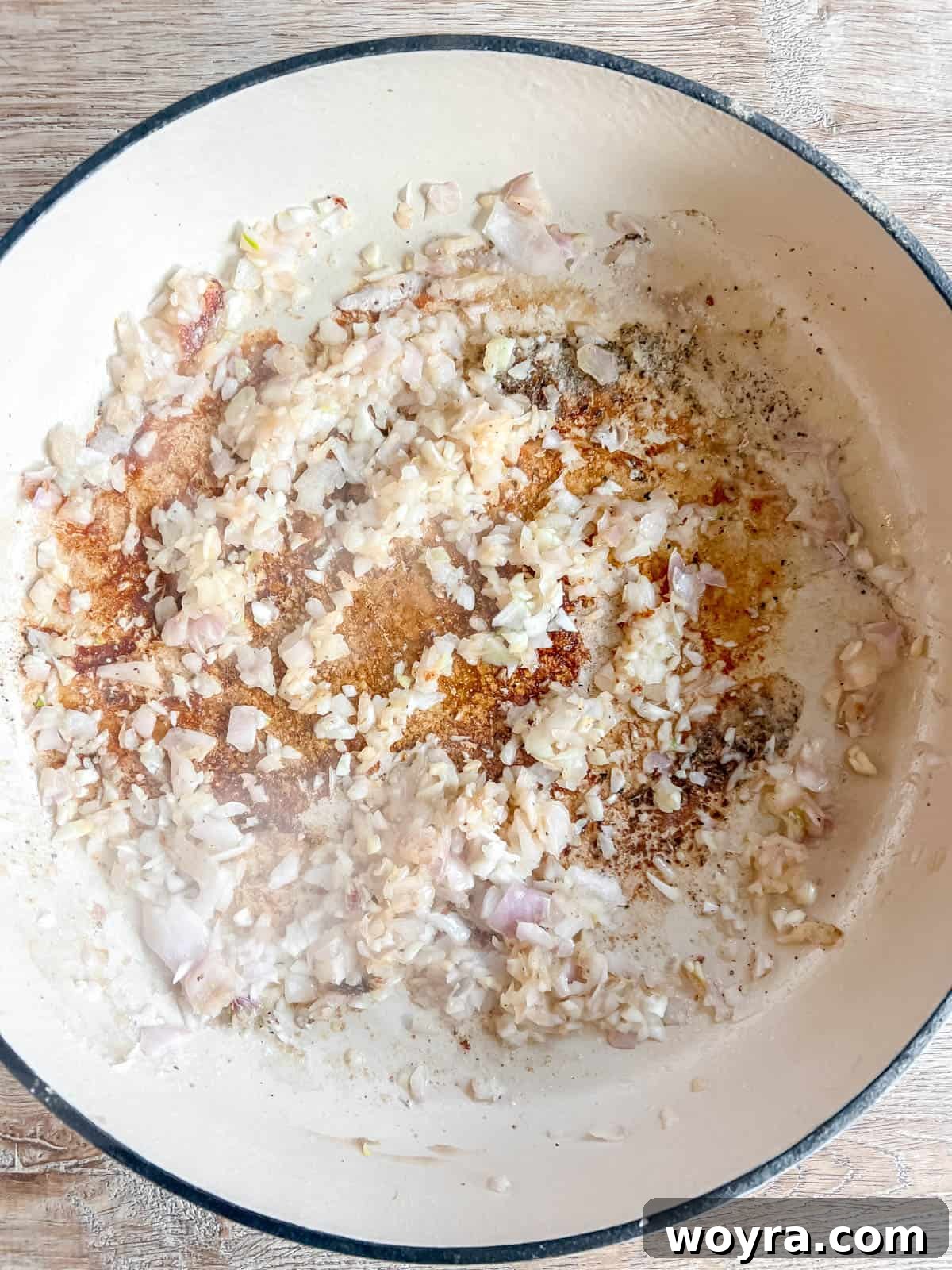
Step 2: Sauté Aromatics. Reduce the heat to medium. Add another tablespoon of olive oil to the same pan, taking advantage of the flavorful drippings left from the pork. Introduce the minced shallots and garlic, stirring them into the oil. Sauté for 1-2 minutes, stirring frequently, until they become fragrant and translucent. Be careful not to burn the garlic, as burnt garlic can impart a bitter taste to your dish.
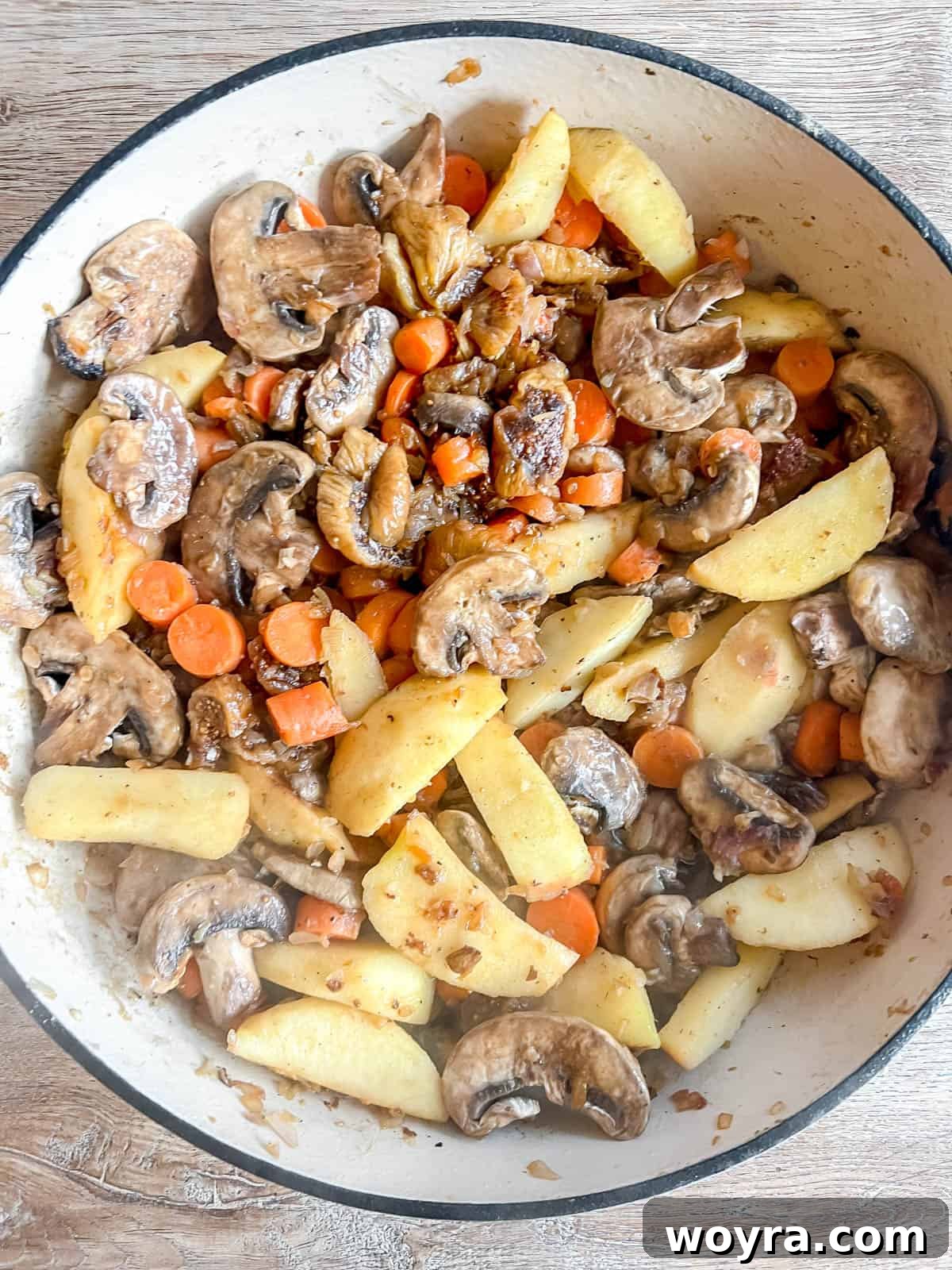
Step 3: Introduce Fruits and Vegetables. Add the sliced carrots, mushrooms, apple slices, and dried figs to the pan. Pour in 3 tablespoons of water. Stir all the ingredients together thoroughly, ensuring the vegetables and fruits are well coated and mixed with the aromatics and pan drippings. Cook for 4-5 minutes, allowing the flavors to start melding and the figs to begin softening. The water will help to deglaze the pan, picking up all those delicious browned bits from the searing pork, which will add incredible depth to your sauce.
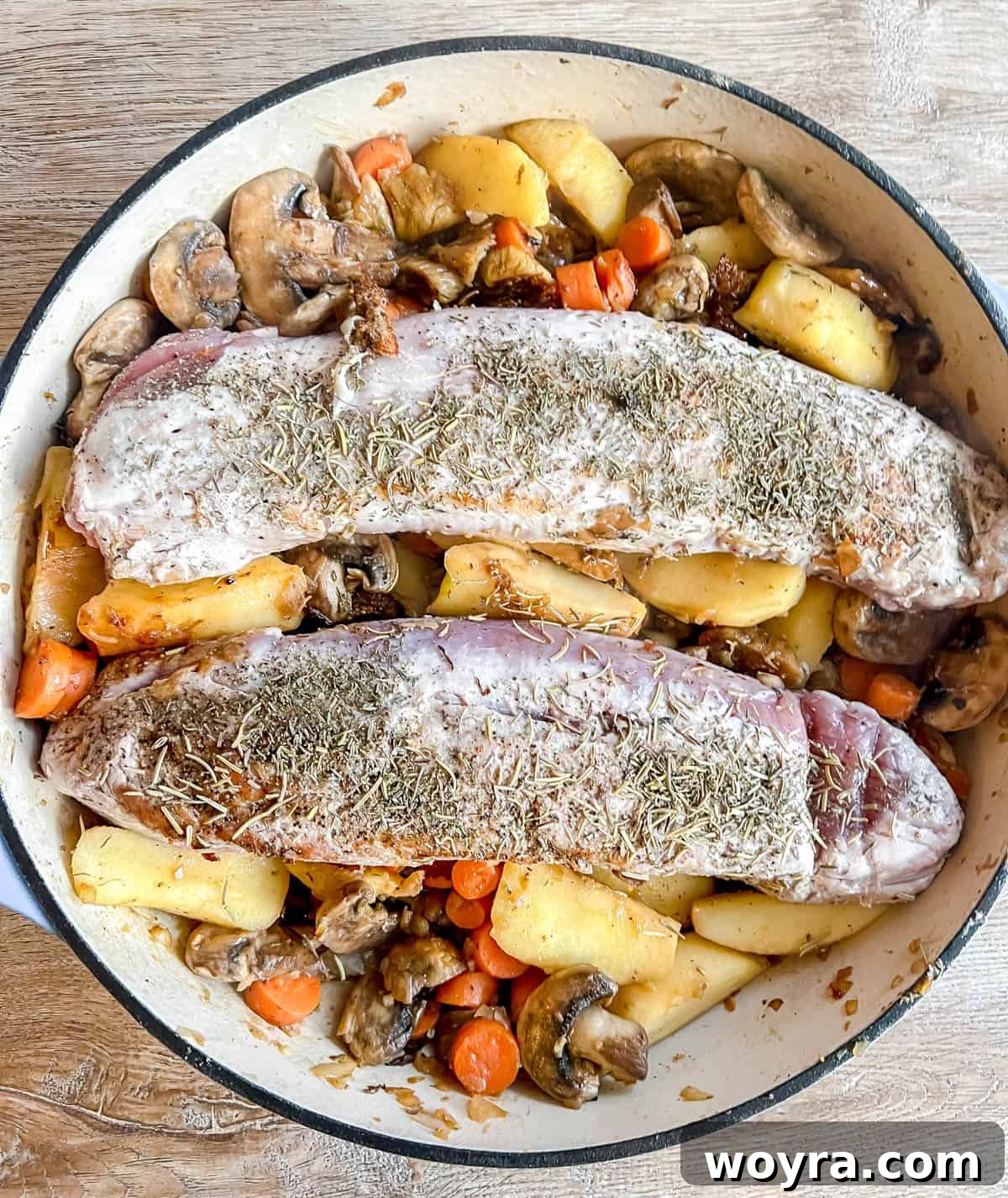
Step 4: Combine and Season. Gently push the cooked fruits and vegetables to the sides of the Dutch oven, creating enough space in the center for the seared pork tenderloins. Carefully place the pork back into the pan, nestled among the vegetables. Evenly sprinkle the top of the pork with 1 teaspoon of dried rosemary and 1/2 teaspoon of dried thyme. These aromatic herbs will infuse their comforting notes into the meat as it roasts, elevating the overall flavor profile.
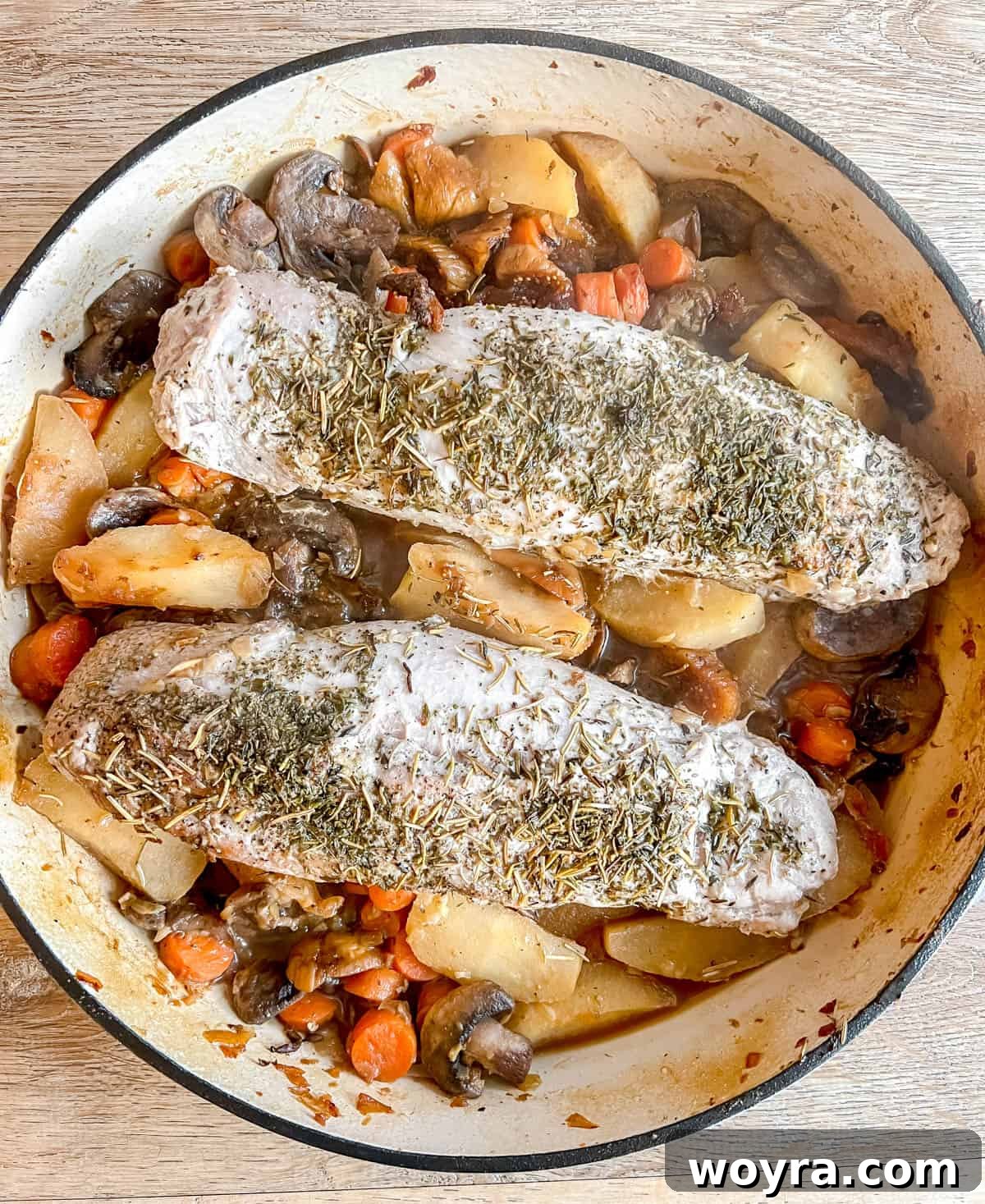
Step 5: Roast to Perfection. Securely place the lid on your Dutch oven. Transfer the entire pot to your preheated 400°F (200°C) oven. Cook for 20-25 minutes. The most crucial indicator for doneness is the internal temperature of the pork tenderloin. Use an instant-read thermometer inserted into the thickest part of the tenderloin (making sure it doesn’t touch the bottom of the pan or any bones) – it should register at least 145°F (63°C). Once cooked to temperature, remove the Dutch oven from the oven. Before slicing, allow the pork to rest, covered, for at least 5-10 minutes. This resting period is vital for retaining the juices, ensuring maximum tenderness and flavor in every bite. Slice the pork into medallions and serve immediately with the delicious apple, fig, carrot, and mushroom sauce.
Expert Tips & Frequently Asked Questions
To help you achieve the best possible results and confidently prepare this delightful Dutch Oven Pork Tenderloin with Apples and Figs, here are some expert tips and answers to frequently asked questions:
What are the best apples to use for pork tenderloin in this recipe?
For this particular recipe, I highly recommend using apple varieties like Golden Delicious or Honeycrisp. These apples are excellent choices because they are known for holding their shape beautifully during cooking, preventing them from turning into an undesirable mush. They also offer a balanced sweetness that complements the savory pork and figs without being overly tart or cloying. Other good choices that maintain their texture well include Fuji or Gala apples.
How do you properly store leftover Dutch Oven Pork Tenderloin?
To ensure food safety and maintain optimal freshness, allow any leftovers to cool completely to room temperature within two hours of cooking. Once cooled, transfer the pork, apples, figs, and all the accompanying vegetables and sauce into a clean, airtight container. Store it promptly in the refrigerator, where it will remain fresh and delicious for up to 3-4 days. Ensure the container is sealed tightly to prevent any air exposure, which can lead to drying out.
What is the best way to reheat this dish?
For individual portions, you can gently warm the leftovers in the microwave until heated through, stirring occasionally to ensure even temperature. For larger quantities or to better preserve the texture of the pork and vegetables, transfer the leftovers to an oven-safe dish. Add a splash of broth or water (about 1-2 tablespoons per serving) to prevent the dish from drying out. Cover the dish loosely with aluminum foil and reheat in a preheated oven at 300°F (150°C) for about 15-20 minutes, or until thoroughly warmed through. This method helps maintain moisture and flavor.
How do you know when pork tenderloin is perfectly cooked?
The most reliable and accurate method to determine if pork tenderloin is perfectly cooked is to use an instant-read meat thermometer. Insert the thermometer into the thickest part of the pork tenderloin, being careful to avoid touching any bones or the bottom of the pan. Pork tenderloin is considered safe to eat and achieves its most tender and juicy state when it reaches an internal temperature of 145°F (63°C). A slight pink in the center is perfectly normal and actually indicates a succulent, properly cooked result. Always allow the meat to rest for a few minutes after cooking; this crucial step helps redistribute the juices throughout the meat, ensuring a more tender and flavorful outcome.
Can I make parts of this recipe ahead of time for easier preparation?
Absolutely! While the dish is best enjoyed fresh from the oven, you can certainly do some prep work in advance to streamline your cooking process. You can chop all the vegetables (carrots, shallots, garlic, mushrooms) and slice the apples and figs a day before you plan to cook. Store them separately in airtight containers in the refrigerator. You can also sear the pork tenderloins a few hours ahead of time and keep them chilled in the fridge. Then, when you’re ready to cook, simply assemble the dish and proceed with the roasting step as directed. This makes the recipe even more convenient for entertaining or busy schedules.
What if I don’t have a Dutch oven? Are there alternatives?
While a Dutch oven is highly recommended for its superior heat distribution and moisture retention, you can still make this delicious dish using alternative cookware. A heavy-bottomed, oven-safe pot with a tight-fitting lid can work similarly. Ensure it’s large enough to comfortably hold both pork tenderloins and all the vegetables. Alternatively, a large, deep oven-safe skillet or roasting pan, covered tightly with heavy-duty aluminum foil, can also be used in a pinch. If using an alternative, you might need to monitor the cooking time and add a bit more liquid if the dish appears to be drying out, as these might not seal moisture as effectively as a Dutch oven.
Serving Suggestions and Creative Variations
This Dutch Oven Pork Tenderloin with Apples and Figs is a versatile dish that can be adapted to various tastes and occasions. Here are some ideas to inspire your culinary creativity, from complementary side dishes to exciting flavor variations:
Perfect Pairings: Enhance Your Meal
The rich, sweet, and savory flavors of this pork tenderloin make it a fantastic centerpiece. Here are some harmonious side dishes that will complete your meal:
- Creamy Potatoes: Classic choices like creamy mashed potatoes, garlic mashed potatoes, or a velvety sweet potato puree are excellent as they readily soak up the delicious pan sauce. Roasted baby potatoes or hasselback potatoes also offer a delightful textural contrast.
- Hearty Grains: For a more substantial and absorbing base, serve the pork and its sauce over fluffy white rice, nutty quinoa, or light and airy couscous. These grains provide a comforting backdrop to the main flavors.
- Green Vegetables: Complement the richness of the pork with a fresh, crisp side salad tossed in a light vinaigrette. Steamed green beans almondine, sautéed spinach, or perfectly boiled broccoli add vibrant color and essential nutrients.
- Winter Squash: Embrace the autumnal theme further with a side of mashed butternut squash, roasted acorn squash rings, or even a simple squash gratin. Their natural sweetness resonates beautifully with the apples and figs.
- Crusty Bread: Don’t underestimate the power of a good, crusty baguette or artisanal bread. It’s perfect for soaking up every last drop of the amazing sweet and savory pan sauce, ensuring no flavor goes to waste.
Flavorful Variations: Customize Your Creation
Feel free to experiment with these simple twists to make the recipe uniquely yours:
- Herb Swap: While rosemary and thyme are classic, consider swapping in or adding fresh sage or marjoram for a different, equally aromatic profile. Fresh herbs can be added towards the end of cooking for a brighter flavor.
- Fruit Alternatives: If figs are not available or if you wish to try something new, firm pears (like Bosc or Anjou) or dried apricots can be wonderful substitutes for apples or figs, offering their unique sweetness and texture. A mix of dried cranberries could also add a tart counterpoint.
- Wine Braise: For an even richer and more complex sauce, deglaze the pan with a splash of dry white wine (such as Pinot Grigio or Sauvignon Blanc) or apple cider after sautéing the aromatics and before adding the water. Allow it to simmer for a minute or two to reduce slightly.
- Spicy Kick: If you enjoy a hint of heat, a pinch of red pepper flakes added with the shallots and garlic can introduce a subtle, warming spice that contrasts beautifully with the fruit’s sweetness.
- Root Vegetable Medley: Expand the vegetable base by adding parsnips, rutabaga, or small cubes of sweet potato alongside the carrots for a more robust and varied root vegetable medley.
- Glaze Enhancement: For an extra layer of flavor and shine, whisk a tablespoon of apple cider vinegar or balsamic glaze into the sauce just before serving.
Other Pork Recipes You’ll Love: Expanding Your Culinary Horizon
If you thoroughly enjoyed the tenderness and complex flavors of this Dutch oven pork tenderloin with apples and figs, you’re in for another treat with these other delightful pork creations. Each recipe offers a unique take on cooking pork, perfect for adding variety to your meal plan:
Did you try this recipe? Please leave me a ⭐ review below! Your feedback is invaluable and helps other home cooks discover and enjoy this delicious dish!
Dutch Oven Pork Tenderloin with Apples and Figs
Email Recipe
Print Recipe
Ingredients
- 2 Tablespoons olive oil
- 3 lbs pork tenderloin (2 pork tenderloins, about 1 1/2 pounds each)
- 1 teaspoon salt
- 1/2 teaspoon ground black pepper
- 2 shallots, minced (or 1/2 an onion)
- 4 cloves garlic, minced
- 2 apples, peeled and sliced (3 apples if small)
- 8 dried figs, sliced (about 1/2 cup sliced figs)
- 5 large carrots, sliced
- 8 ounces sliced mushrooms
- 3 Tablespoons water
- 1 teaspoon dried rosemary
- 1/2 teaspoon dried thyme
Instructions
- Preheat the oven to 400 degrees F (200°C).
- Put 1 Tablespoon of olive oil into a large cast iron casserole or Dutch oven (I used a 3.6 quart cast iron casserole pot). Heat the oil over medium-high heat.
- Season the pork tenderloin with 1 teaspoon of salt and 1/2 teaspoon of ground black pepper. Put the seasoned pork into the pan and sear it for 2-3 minutes on each side until golden brown. Then, remove the tenderloins from the pan, place on a plate, and set them aside.
- Lower the heat to medium. Add 1 Tablespoon of olive oil to the pan, put the minced garlic and shallots into the pan and mix it into the oil. Cook for 1-2 minutes until fragrant and translucent.
- Add the carrots, mushrooms, figs, apple slices, and 3 Tablespoons of water to the pan. Mix well and cook for 4-5 minutes, allowing flavors to combine.
- Gently push the fruits and veggies to the sides of the pan to make room. Place the seared pork back into the center. Sprinkle the top of the pork with 1 teaspoon of dried rosemary and 1/2 teaspoon of dried thyme.
- Cover the Dutch oven with its lid and place it into the preheated oven. Cook for 20-25 minutes, or until an instant-read thermometer inserted into the thickest part of the tenderloins reads at least 145 degrees F (63°C). Let rest for a few minutes before slicing and serving.
Notes
- For the best texture, use apple varieties like Golden Delicious or Honeycrisp, which maintain their shape well during cooking.
- Store any leftover pork and vegetables in an airtight container in the refrigerator for 3-4 days.
- Always use a meat thermometer to ensure pork is cooked to a safe internal temperature of 145°F (63°C) for optimal juiciness.
Nutrition
Carbohydrates: 24g
Protein: 49g
Fat: 13g
Saturated Fat: 3g
Polyunsaturated Fat: 2g
Monounsaturated Fat: 7g
Trans Fat: 0.1g
Cholesterol: 147mg
Sodium: 546mg
Potassium: 1351mg
Fiber: 5g
Sugar: 15g
Vitamin A: 8536IU
Vitamin C: 8mg
Calcium: 62mg
Iron: 3mg
Nutrition information is automatically calculated, so should only be used as an approximation.
Additional Info
Tried this recipe?
Mention @perchancetocook or tag #perchancetocook!