
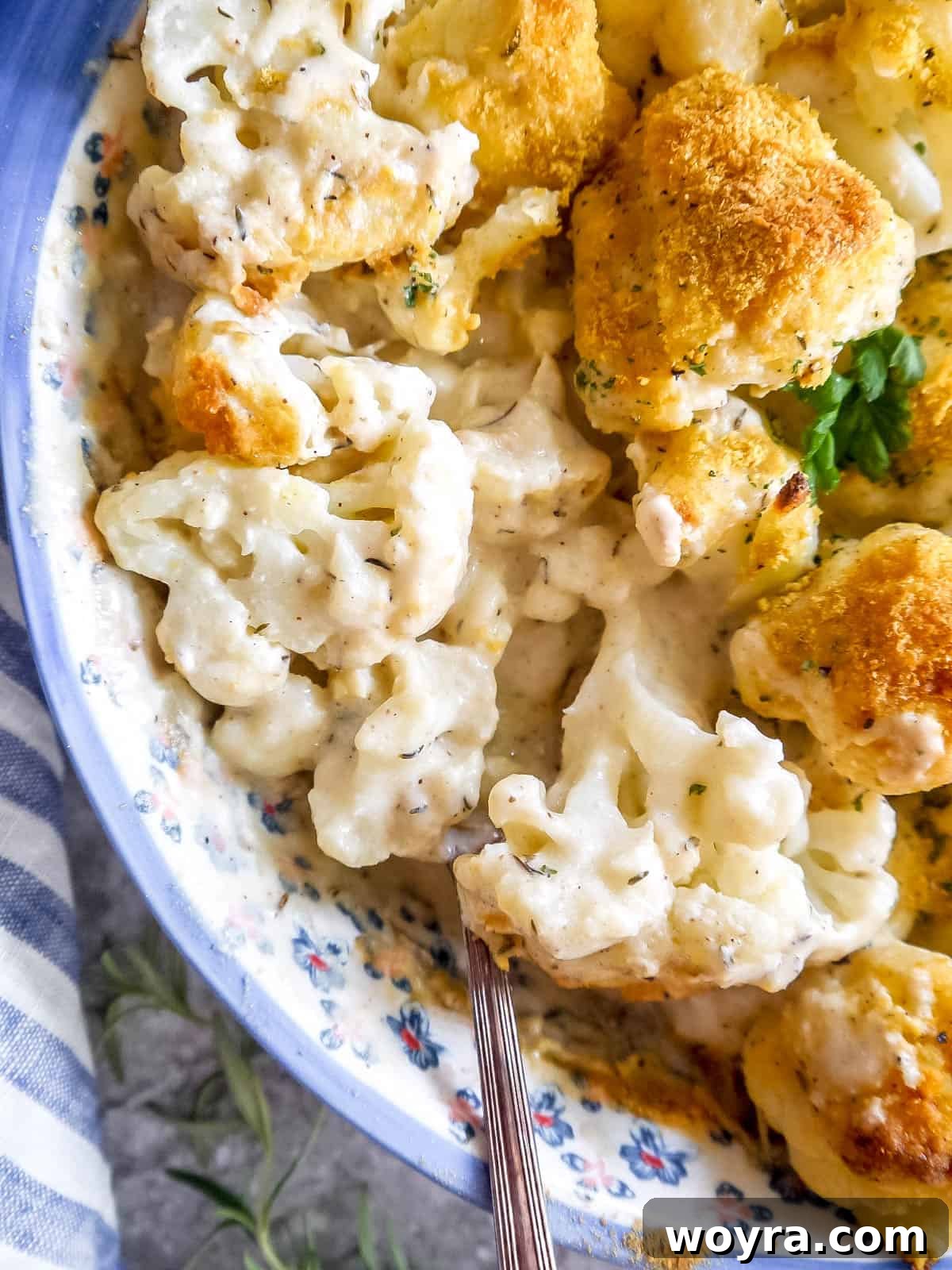
Discover the ultimate comfort food with this incredibly satisfying Vegan Cauliflower Casserole. Featuring perfectly tender cauliflower florets enveloped in a rich, velvety dairy-free sauce, topped with a golden nutritional yeast crust, this gratin is baked to creamy perfection. Not only is it a delightful treat, but it’s also meticulously crafted to be Paleo, Whole30 compliant, Gluten-free, Grain-free, and completely Dairy-free, making it an ideal choice for a wide array of dietary needs without compromising on flavor.
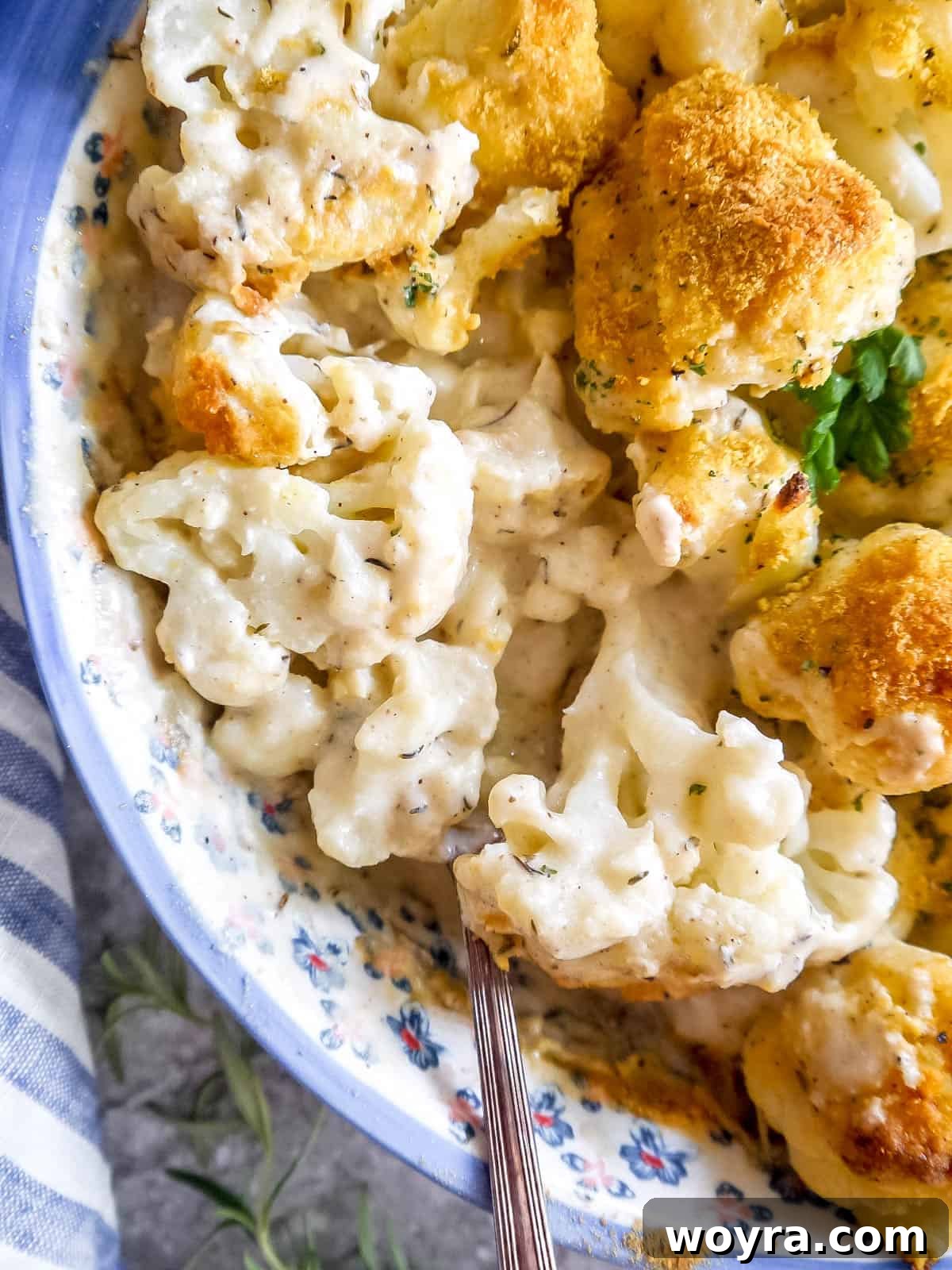
There’s an undeniable allure to creamy cauliflower dishes, offering a profound sense of warmth and satisfaction with every bite. From luscious cauliflower gnocchi bathed in savory sauces, to versatile cauliflower-based creams, and even comforting cauliflower and potato mash, the humble cauliflower truly shines. This particular vegan healthy cauliflower casserole takes the spotlight, transforming simple ingredients into an extraordinary culinary experience. The ingenious combination of wholesome cauliflower with a luscious plant-based cream sauce creates a symphony of flavors that is truly irresistible.
For years, traditional cauliflower gratin was a staple, made with butter and milk. However, after embracing a dairy-free lifestyle, I embarked on a culinary quest to recreate that beloved dish without any animal products. The mission was a resounding success! This exquisite Vegan Cauliflower Casserole boasts a magnificently rich and smooth sauce, artfully crafted from a blend of creamy coconut cream, rich almond milk, and savory nutritional yeast. The entire dish is then baked until it achieves a beautifully golden hue and a delightful bubbly texture, promising a truly comforting and healthy meal.
Table of Contents
- The Irresistible Allure of Vegan Cauliflower Casserole
- Why This Dairy-Free Casserole is a Must-Try
- The Wonderful Health Benefits of Cauliflower
- Essential Ingredients for Your Vegan Gratin
- Creative Additions and Smart Substitutions
- Step-by-Step Instructions to a Perfect Casserole
- Expert Tips for Gratin Perfection
- Storage and Reheating Recommendations
- Frequently Asked Questions About Cauliflower Gratin
- More Delicious Vegan Side Dishes You’ll Love
- Vegan Cauliflower Casserole (Paleo, Dairy-free) Recipe Card
The Irresistible Allure of Vegan Cauliflower Casserole
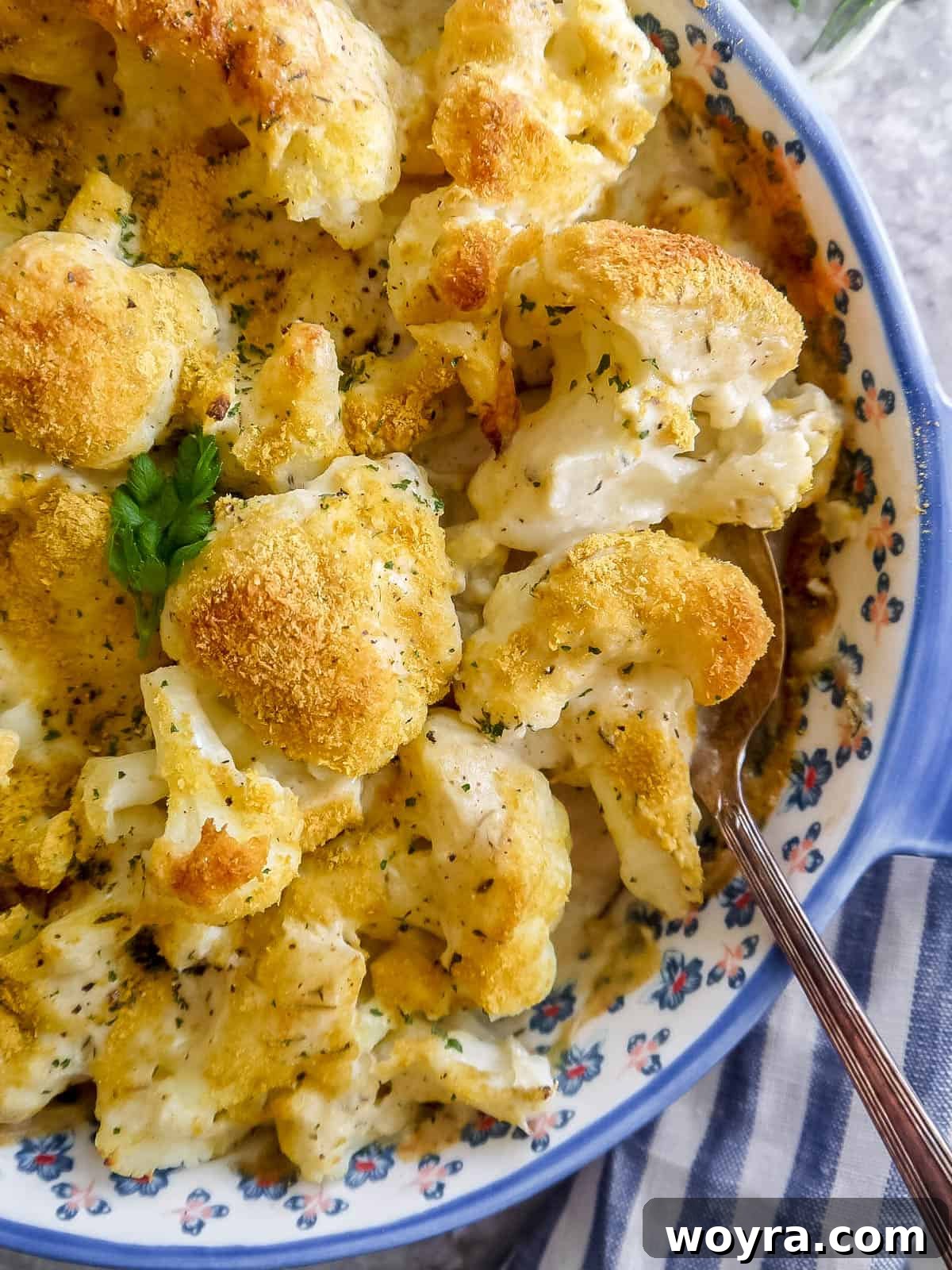
Embark on a culinary journey where the humble cauliflower is transformed into a star. This Vegan Cauliflower Casserole, also known as gratin, is a testament to how plant-based ingredients can create a dish that’s every bit as decadent and satisfying as its traditional dairy counterpart. It’s a celebration of tender, earthy cauliflower coated in a luxurious, umami-rich sauce, baked until the top is irresistibly golden and lightly crisped. This dish isn’t just food; it’s a warm embrace, a perfect addition to any meal, especially during cooler months or as a festive holiday side.
Why This Dairy-Free Casserole is a Must-Try
This isn’t just another cauliflower recipe; it’s a game-changer. Here’s why this particular Vegan Cauliflower Casserole stands out and deserves a permanent spot in your recipe repertoire:
- Unmatched Dietary Versatility: This recipe is a true crowd-pleaser, catering to a wide range of dietary preferences and needs. It’s an excellent choice for individuals with a dairy allergy, and perfectly aligns with Vegan, Paleo, and Whole30 diets. Furthermore, it is naturally Gluten-free, Grain-free, and Plant-based, making it accessible to almost everyone at your table.
- The Ultimate Comfort Side Dish: Few dishes offer the heartwarming comfort of a creamy casserole. This gratin serves as a splendid side, effortlessly elevating weeknight dinners and special occasion meals alike. Its rich flavor profile and comforting texture make it an instant favorite.
- Creamy Perfection, Dairy-Free: The secret lies in our innovative cream sauce. The harmonious blend of almond milk and coconut cream creates a luxuriously smooth and rich texture that rivals any dairy-based sauce. The result is a truly delicious, dairy-free alternative that you won’t believe is made without butter or milk.
- Simply the Best Vegan Cauliflower Casserole: Through careful experimentation and a passion for flavor, we’ve perfected this recipe. It’s crafted to deliver an exceptional taste and texture experience, ensuring that every spoonful is bursting with savory goodness.
- Wholesome, Real Food Ingredients: We believe in nourishing your body with what nature provides. This casserole is made exclusively with clean, real food ingredients, free from artificial additives or processed components. Enjoy a meal you can feel good about.
- Packed with Nutritional Power: Cauliflower, a star cruciferous vegetable, is known for its impressive health benefits. This dish is an easy and delicious way to incorporate the vital health benefits and potent antioxidants found in these nutrient-dense veggies into your diet.
The Wonderful Health Benefits of Cauliflower
Beyond its delicious taste and incredible versatility, cauliflower is a nutritional powerhouse that offers a plethora of health benefits, making this casserole not just a treat for your taste buds but also for your body. As a member of the cruciferous vegetable family, cauliflower is rich in an impressive array of vitamins, minerals, and antioxidants.
It’s an excellent source of Vitamin C, which is crucial for immune function and skin health, and Vitamin K, vital for blood clotting and bone health. Cauliflower also provides a good amount of B vitamins, including folate, which plays a key role in cell growth and metabolism. Furthermore, it’s packed with dietary fiber, aiding in digestion, promoting gut health, and helping to regulate blood sugar levels. The presence of powerful antioxidants like glucosinolates and isothiocyanates contributes to its anti-inflammatory properties and may even offer protection against certain chronic diseases. Enjoying this Vegan Cauliflower Casserole is a fantastic way to harness these benefits in a delightfully delicious manner.
Essential Ingredients for Your Vegan Gratin
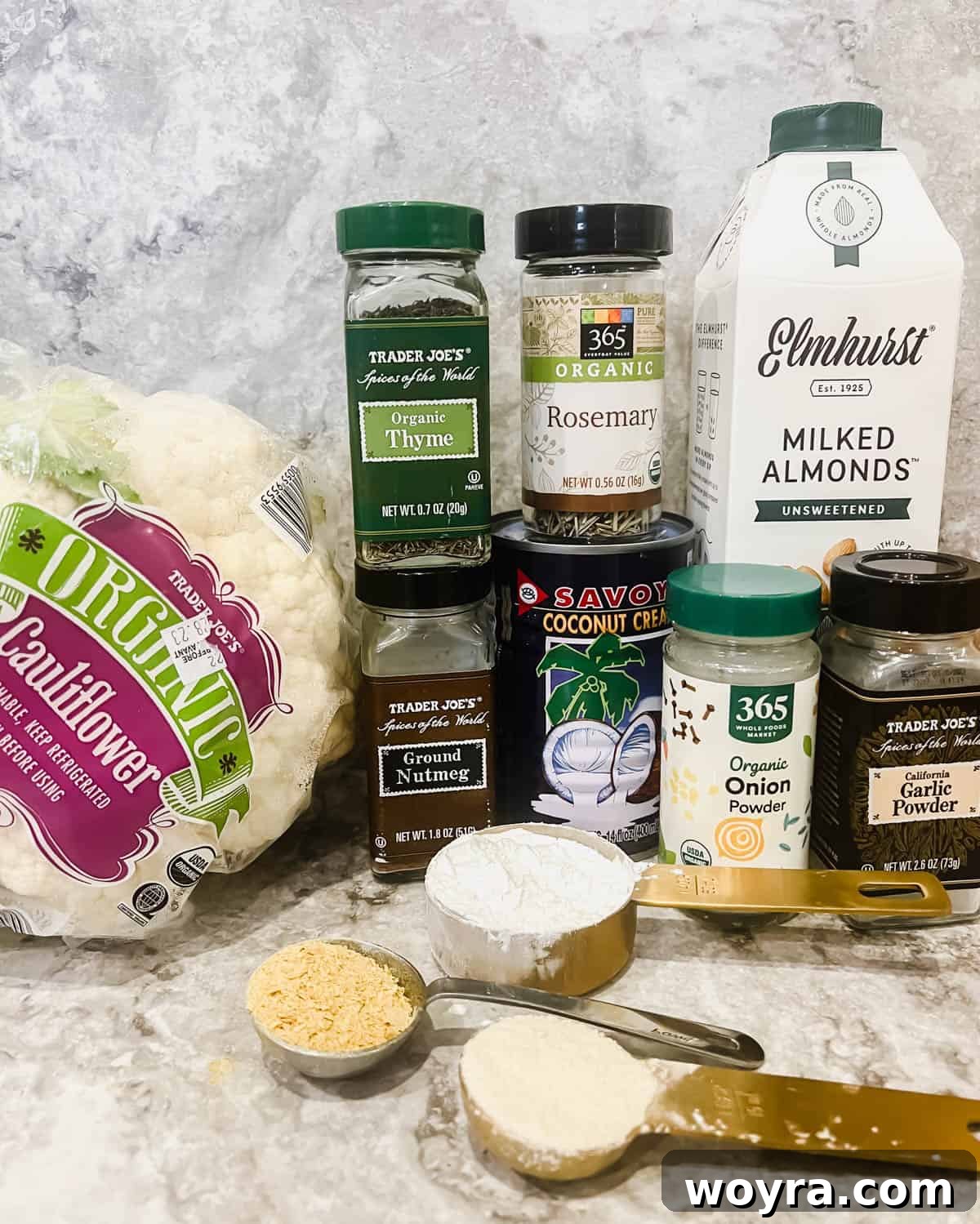
Crafting this incredible Vegan Cauliflower Casserole requires a few key ingredients, each playing a crucial role in developing its rich flavor and perfect texture. Here’s a detailed look at what you’ll need:
- One Large Head of Cauliflower: This is the star of our dish. Ensure you choose a fresh, large head of cauliflower. The size matters for yielding enough tender florets for a substantial casserole.
- Tapioca Flour: This gluten-free starch is essential for thickening our dairy-free cream sauce, giving it a smooth and glossy consistency.
- Coconut Flour: Working in tandem with tapioca flour, coconut flour also contributes to the sauce’s desired thickness while adding a subtle, natural sweetness and a delicate texture.
- Full-Fat Coconut Cream: The foundation of our rich sauce. The quality and taste of your coconut cream are paramount. I highly recommend using a brand like Savoy coconut cream, as some brands can have an overpowering or unappealing flavor.
- Unsweetened Almond Milk: Or any other plain, unsweetened non-dairy milk of your choice. This helps to thin the sauce to the perfect consistency while contributing to its creaminess.
- Onion Powder: An easy way to infuse a savory depth and aromatic warmth into the sauce without adding chopped onions.
- Garlic Powder: A complementary flavor to the onion powder, garlic powder enhances the savory profile of the sauce effortlessly.
- Ground Nutmeg: This is my secret ingredient for any cream-based sauce. A small dash of nutmeg adds an incredible depth of flavor and a subtle warmth that elevates the entire dish. Don’t skip it!
- Dried Rosemary: Provides a fragrant, piney, and slightly peppery note, adding complexity to the herb blend.
- Dried Thyme: Offers a delicate, earthy, and slightly floral flavor that pairs beautifully with rosemary and cauliflower.
- Nutritional Yeast: This magical ingredient is key to achieving that desired cheesy, umami flavor without any dairy. Just like coconut cream, ensure you use a brand you enjoy the taste of. I’m fond of the one from Anthony’s for its rich, cheesy essence.
- Salt and Ground Black Pepper: Essential for seasoning and balancing all the flavors.
- Olive Oil: Used to create the initial roux for the sauce, providing a smooth base.
For precise quantities, please refer to the full recipe card below.
Creative Additions and Smart Substitutions
This Vegan Cauliflower Casserole recipe is wonderfully adaptable, allowing for various additions and substitutions to suit your pantry or taste preferences:
- Starch Alternatives: If tapioca flour isn’t available, arrowroot starch (or arrowroot powder) can be used as a direct 1:1 substitute. Both are excellent gluten-free thickeners. Cornstarch can also work, though it may result in a slightly different texture.
- Non-Dairy Milk Choices: While almond milk is recommended, feel free to use any other plain, unsweetened non-dairy milk. Cashew milk or oat milk are fantastic options that will also contribute to a creamy sauce texture. Just ensure they are unsweetened and unflavored to avoid altering the savory profile.
- Herb Variations: Experiment with fresh herbs if you have them! A sprinkle of freshly chopped parsley, chives, or even a different mix like sage or marjoram can add new dimensions of flavor.
- Add a Veggie Boost: For added nutrients and texture, consider incorporating other vegetables. Sautéed mushrooms, spinach (stirred into the sauce at the end), or even a handful of frozen peas added during the last 10 minutes of baking can be lovely.
- Spice It Up: A pinch of cayenne pepper or a touch of smoked paprika can introduce a subtle heat or smoky depth to the casserole.
- Crunchy Topping: For an extra layer of texture, consider adding some crushed gluten-free crackers, breadcrumbs (if grain-free is not a strict requirement), or even finely chopped nuts (like pecans or walnuts) mixed with a little olive oil, sprinkled over the top before baking.
Step-by-Step Instructions to a Perfect Casserole
Creating this delectable Vegan Cauliflower Casserole is a straightforward process. Follow these detailed steps to achieve a perfectly tender and creamy dish:
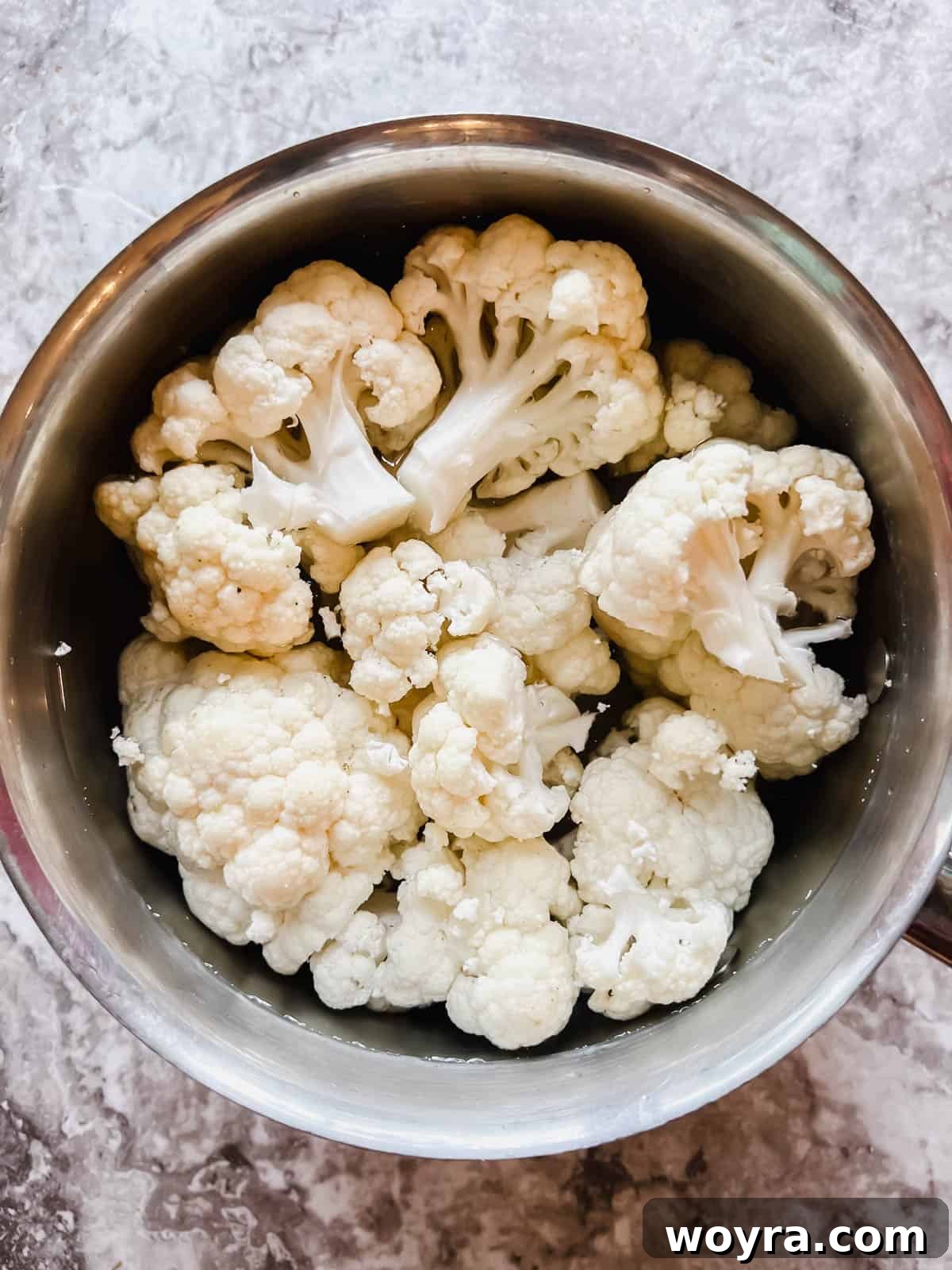
Step 1: Prepare the Cauliflower. Begin by preheating your oven to 375 degrees F (190 degrees C). Then, bring a large pot of water to a rolling boil. Carefully add your medium-sized cauliflower florets and boil them for 5-6 minutes. This crucial step, known as par-boiling, ensures the cauliflower softens enough to become perfectly tender during baking without turning mushy. Adjust boiling time based on desired tenderness – longer for softer, shorter for a slight crunch.
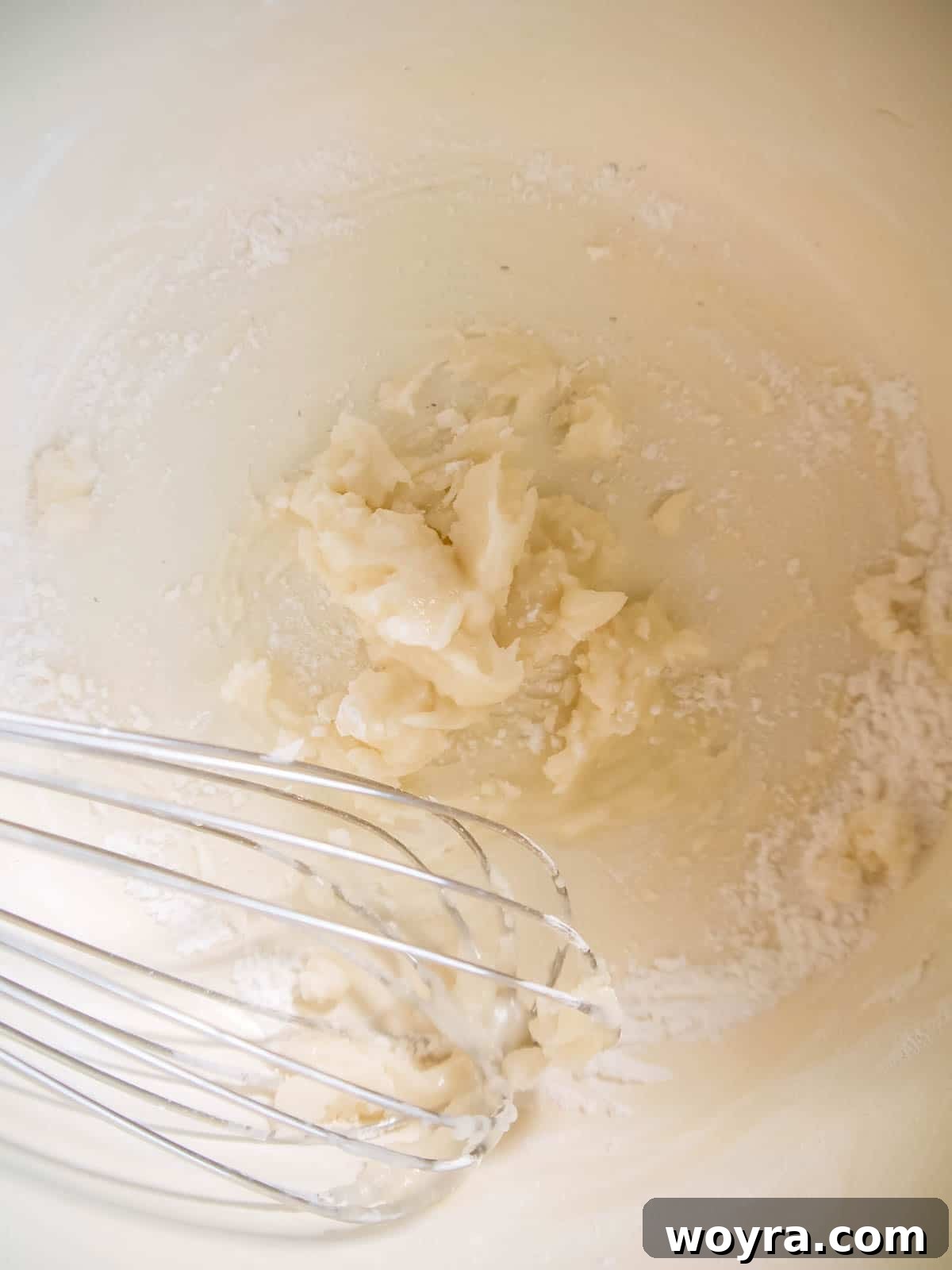
Step 2: Begin the Sauce. While the cauliflower boils, start preparing your creamy sauce. In a medium pan over medium heat, add the olive oil. Immediately whisk in the tapioca flour and coconut flour. Continue whisking constantly for about a minute until the mixture forms a thick paste or clumps. This forms the base of your roux, essential for a smooth sauce.
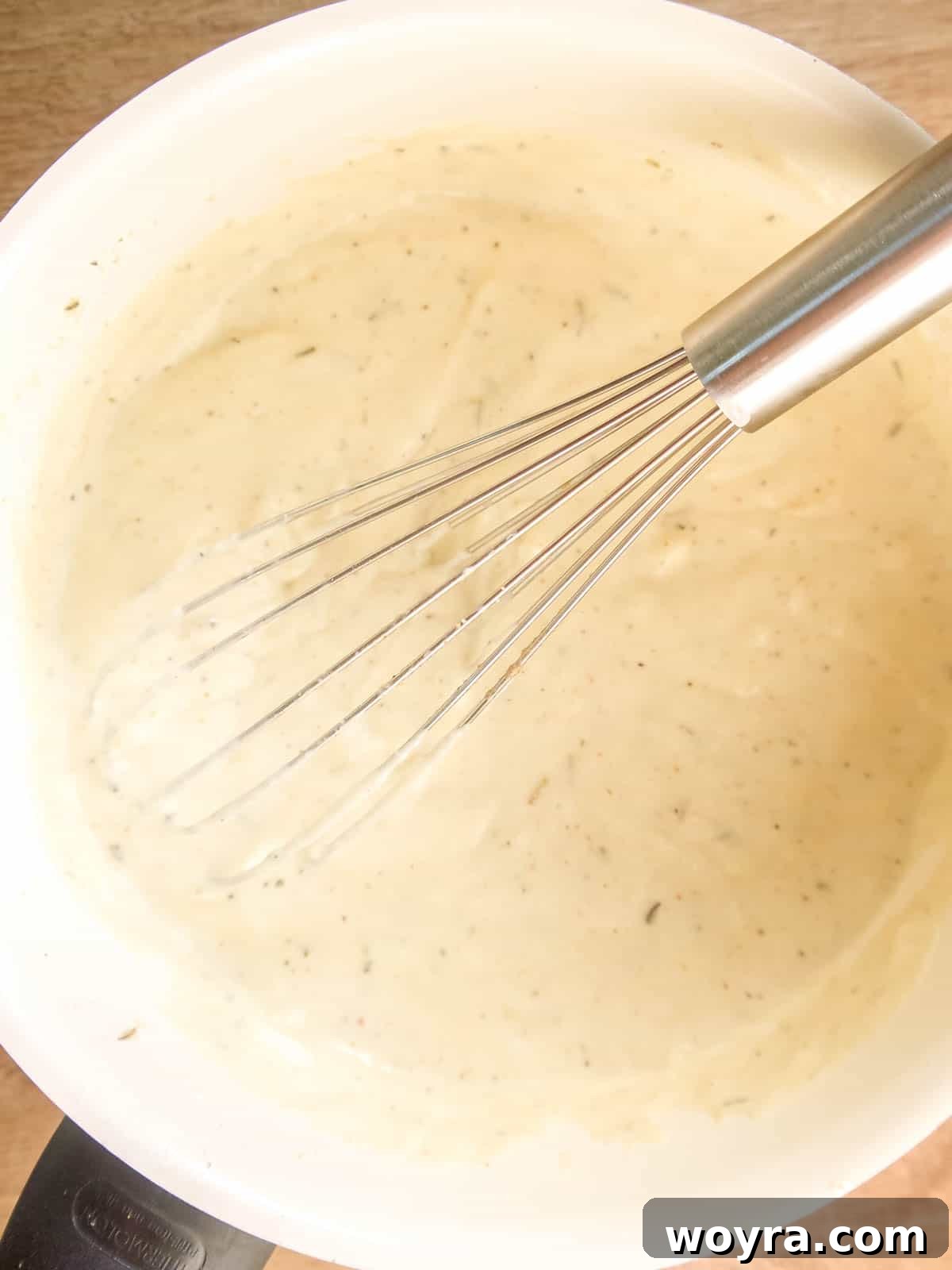
Step 3: Add Liquids and Seasonings. Gradually whisk in the almond milk and coconut cream into the flour mixture, ensuring there are no lumps. Once smooth, add the onion powder, garlic powder, ground nutmeg (the secret ingredient for depth!), salt, pepper, dried rosemary, dried thyme, and 1 tablespoon of nutritional yeast. Whisk everything thoroughly until well combined. Allow the mixture to sit for about 2.5-3 minutes to let the flavors meld.
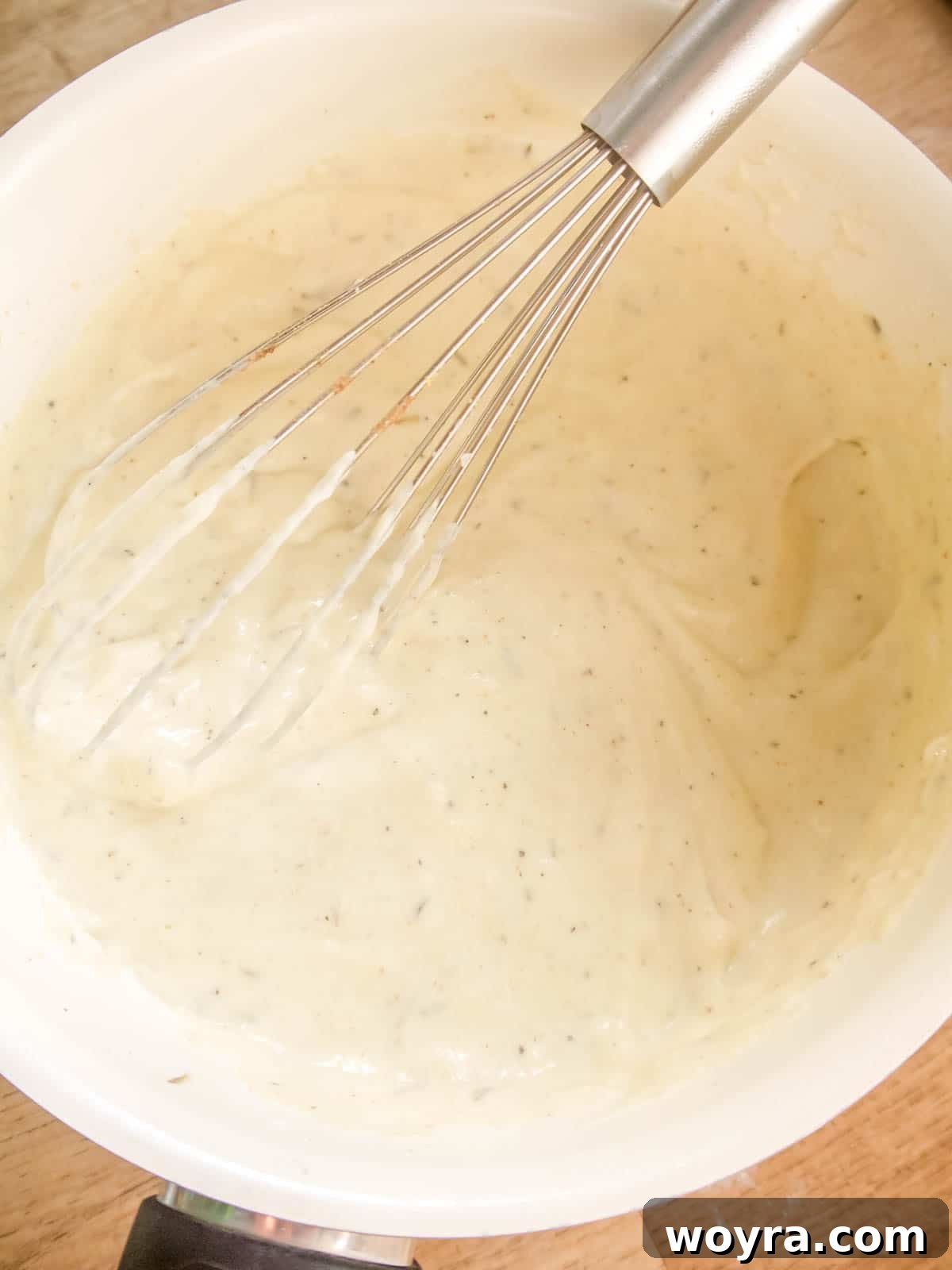
Step 4: Thicken the Sauce. After the brief resting period, return to whisking the sauce frequently – approximately every 10 seconds – for another 1.5-2 minutes, or until it starts to boil and significantly thickens. The goal is a consistency similar to a thin pudding or a rich, creamy sauce. As soon as it reaches this desired thickness and begins to boil, remove it immediately from the heat to prevent it from becoming too dense or slimy due to the starches.
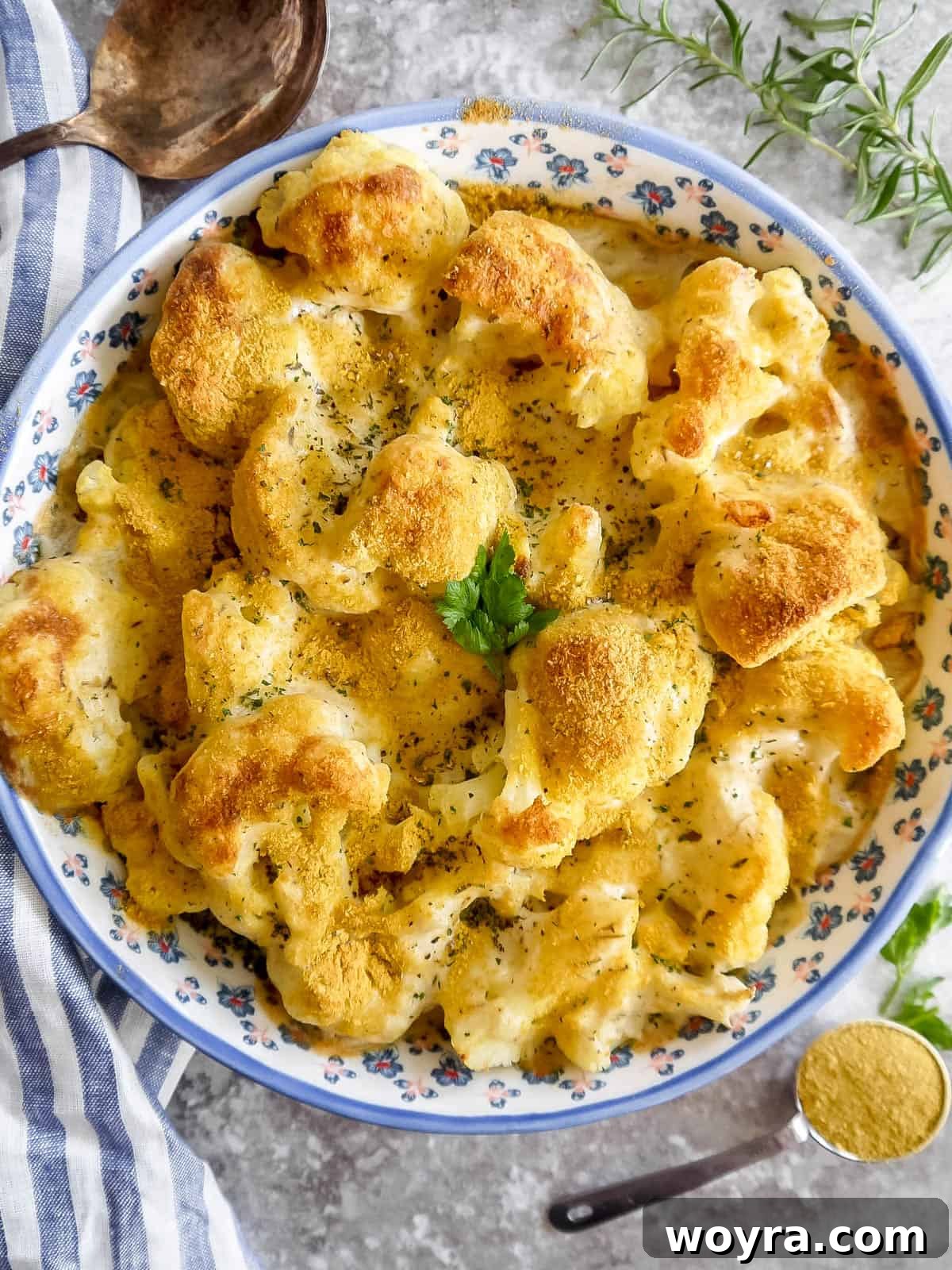
Step 5: Assemble and Bake. Drain the par-boiled cauliflower florets thoroughly and transfer them into a deep baking pan or casserole dish. Evenly pour the thickened, creamy sauce over all the cauliflower. Sprinkle the remaining 1 tablespoon of nutritional yeast generously over the top. Bake in the preheated oven for 30-40 minutes, or until the cauliflower is fork-tender and the top is beautifully golden brown and bubbling. For an extra crispy, golden crust, broil for an additional 1-3 minutes, keeping a very close eye on it to prevent burning.
Expert Tips for Gratin Perfection
Achieving the perfect Vegan Cauliflower Casserole is easy with these insider tips and tricks:
Tip 1: The Art of Cauliflower Florets.
The size of your cauliflower florets plays a significant role in the final texture of your gratin. Aim for medium-sized florets, roughly 1-1.5 inches. If the florets are too large, they may remain undercooked and firm. If they are too small, they risk becoming overly soft or even mushy during the par-boiling and baking process. While some prefer their cauliflower with a slight bite, others, like myself, enjoy a melt-in-your-mouth soft texture.
To customize: If you prefer softer cauliflower, boil the florets for a minute or two longer than the recommended 5-6 minutes. For those who appreciate a bit more crunch, reduce the initial boiling time to around 4 minutes.
Tip 2: Mastering Sauce Thickness.
The consistency of your creamy sauce is crucial. Be mindful not to over-thicken it while cooking on the stovetop. The moment the sauce begins to boil and reaches the consistency of a thin pudding or rich, creamy dressing, remove it from the heat immediately. Overcooking or over-thickening the sauce, especially when using tapioca flour, can sometimes lead to a slightly gummy or slimy texture.
Our specific ratio of 2 tablespoons of tapioca flour to 1 tablespoon of coconut flour is carefully chosen to create a wonderfully smooth, thick, and non-slimy sauce. It should be thick enough to coat the back of a spoon but still pourable. Trust your eyes and whisking arm!
Tip 3: Vigilance Under the Broiler.
The final broiling step is key for that irresistible golden, slightly crispy top, but it requires your undivided attention. Oven temperatures and broiler intensities vary significantly, so what takes 2 minutes in one oven might take less or more in another. Nutritional yeast can go from perfectly golden to burnt in a matter of seconds. Keep a close eye on your casserole, opening the oven door frequently to check its progress. Once it reaches your desired level of golden brown and crispiness, remove it promptly.
Tip 4: Make-Ahead Magic.
This casserole is a fantastic make-ahead option! Prepare the cauliflower and the sauce as directed, then assemble the entire casserole in your baking dish. Cover it tightly with foil and refrigerate for up to 24 hours. When you’re ready to bake, simply uncover and proceed with the baking instructions, adding an extra 10-15 minutes to the baking time to ensure it heats through completely.
Storage and Reheating Recommendations
This Vegan Cauliflower Casserole stores and reheats beautifully, making it perfect for meal prep or enjoying leftovers. Once cooled, transfer any remaining casserole to an airtight container and refrigerate for up to 3-4 days. To reheat, you can use a microwave for individual portions, heating in 1-minute intervals until warmed through. For larger portions or to restore some crispiness to the topping, reheat in an oven preheated to 350°F (175°C) for 15-20 minutes, or until hot and bubbly. If it seems dry, you can add a splash of almond milk before reheating. Freezing is also an option; freeze individual portions for up to 2-3 months, then thaw overnight in the fridge before reheating.
Frequently Asked Questions About Cauliflower Gratin
Absolutely! This casserole is an excellent make-ahead dish. Prepare everything as outlined in the recipe, assemble it in your baking dish, then cover it tightly and refrigerate until you are ready to bake. This is perfect for busy weeknights or entertaining, allowing you to simply pop it in the oven when needed.
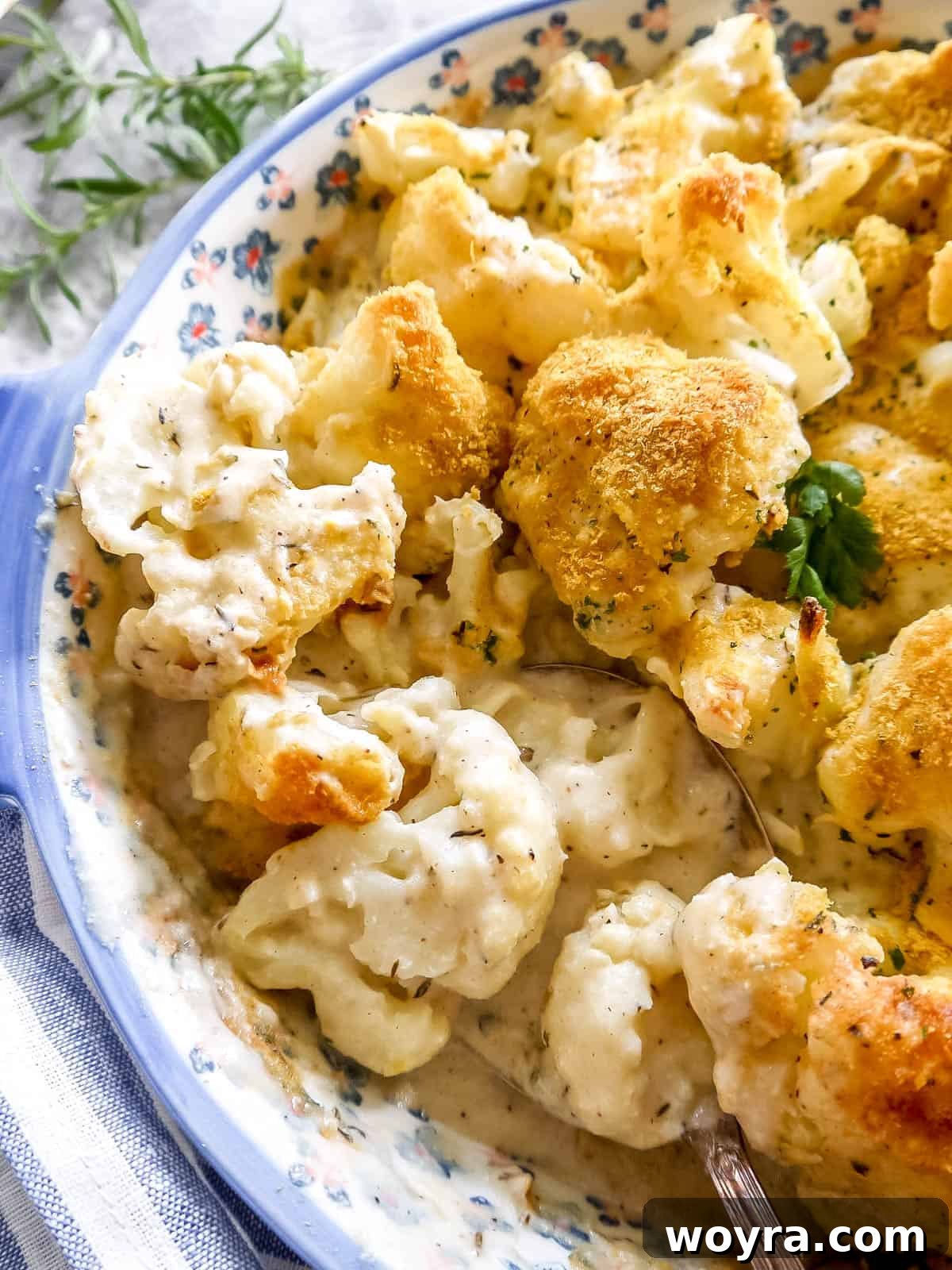
“Au gratin” is a French culinary term that describes a dish with a browned crust, often made from breadcrumbs, cheese, or a combination, that is baked in the oven or under a broiler. In this vegan version, the cauliflower is generously coated in our rich dairy-free sauce and topped with nutritional yeast, which then bakes and broils to create a beautifully golden and crispy topping, mimicking the traditional gratin texture and appeal.
This versatile cauliflower casserole makes for a fantastic side dish to complement a wide variety of main courses. I particularly enjoy garnishing it with an extra sprinkle of nutritional yeast and a squeeze of fresh lemon juice after baking for an added pop of flavor. It pairs wonderfully with a hearty veggie burger, or if your diet includes animal protein, it’s a superb accompaniment to roasted chicken, steak, or fish. It truly depends on your dietary preferences for the main protein, but this casserole will shine alongside it.
Yes, this casserole freezes well! Once baked and completely cooled, divide it into individual portions or a larger freezer-safe container. Cover tightly and freeze for up to 2-3 months. Thaw overnight in the refrigerator before reheating in the oven for the best results.
More Delicious Vegan Side Dishes You’ll Love
Dairy-free Mexican Street Corn: This vibrant and zesty recipe became an instant favorite when I created it. The irresistible combination of sweet corn with a tangy, creamy mayo-nutritional yeast sauce is absolutely addictive!
Carrot Grapefruit Salad (Paleo, GF): A simple yet refreshing salad that harkens back to my childhood. If you appreciate the sweet crunch of carrots and the bright tang of grapefruit, this unique and healthy side dish is definitely for you!
Cauliflower Gnocchi with Creamy Mushroom Sauce: Discover the most delicious way to prepare Trader Joe’s Cauliflower Gnocchi. The accompanying creamy mushroom sauce is incredibly simple to make yet delivers an exquisitely rich and savory flavor that perfectly complements the gnocchi.
Did you try this recipe? Please leave me a ⭐ review below!
Vegan Cauliflower Casserole (Paleo, Dairy-free)

Ingredients
- ▢ 1 large head of cauliflower, cut into medium florets
- ▢ 2 Tbs olive oil
- ▢ 2 Tbs tapioca flour
- ▢ 1 Tbs coconut flour
- ▢ 1 14 ounce can of coconut cream
- ▢ 1 cup unsweetened almond milk
- ▢ 1 tsp onion powder
- ▢ 1 tsp garlic powder
- ▢ 1/2 tsp ground nutmeg
- ▢ 1/2 tsp salt
- ▢ 1/4 tsp ground black pepper
- ▢ 1/2 tsp dried rosemary
- ▢ 1/2 tsp dried thyme
- ▢ 2 Tbs nutritional yeast, divided
Instructions
-
Preheat your oven to 375°F (190°C).
-
Bring a large pot of water to a boil. Add the cauliflower florets and boil for 5-6 minutes, then drain thoroughly. (Note: For softer cauliflower, cook a few minutes longer; for a slight crunch, cook a little less).
-
In a medium pan over medium heat, add the olive oil. Immediately whisk in the tapioca flour and coconut flour until clumps form. Gradually whisk in the coconut cream and almond milk until smooth. Add the onion powder, garlic powder, ground nutmeg, salt, pepper, dried rosemary, dried thyme, and 1 tablespoon of nutritional yeast; mix again. Let the mixture sit for 2.5-3 minutes. Afterward, whisk every 10 seconds until the mixture boils and thickens to a thin pudding or creamy sauce consistency (this typically takes 1.5-2 minutes). Once boiling, remove from heat immediately.
-
Transfer the drained cauliflower florets into a deep baking dish. Evenly cover the florets with the prepared creamy sauce, then sprinkle the remaining 1 tablespoon of nutritional yeast over the top.
-
Bake for 30-40 minutes, or until the cauliflower is fork-tender and the top is golden brown and bubbly. For an extra crispy topping, broil for a few minutes (about 2 minutes is perfect in many ovens), watching closely to prevent burning.
Notes
- Instead of tapioca flour, you can use arrowroot starch at a 1:1 ratio for a similar thickening effect.
- Instead of almond milk, feel free to use any unsweetened non-dairy milk of choice, such as cashew milk or oat milk, for equally creamy results.
Nutrition
Carbohydrates: 12g
Protein: 4g
Fat: 6g
Saturated Fat: 1g
Polyunsaturated Fat: 1g
Monounsaturated Fat: 4g
Sodium: 293mg
Potassium: 481mg
Fiber: 4g
Sugar: 3g
Vitamin A: 4IU
Vitamin C: 68mg
Calcium: 85mg
Iron: 1mg
Nutrition information is automatically calculated and should only be used as an approximation.