
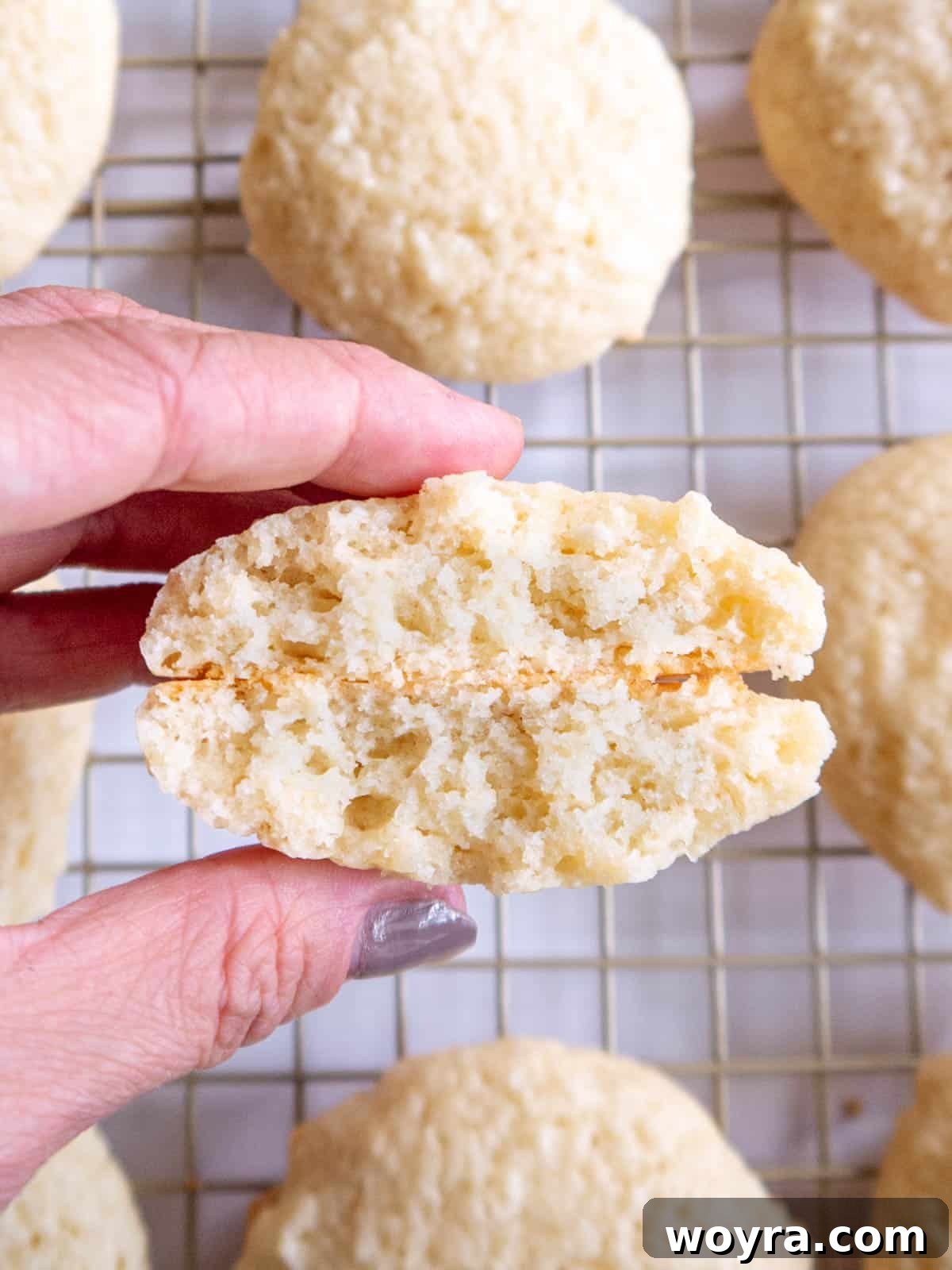
Indulge in these delightful cottage cheese cookies – a unique twist on classic sugar cookies that are unbelievably soft, fluffy, and full of flavor. These melt-in-your-mouth treats boast an almost cake-like texture, making them an instant favorite for any occasion. What’s more, they ingeniously use cottage cheese and olive oil as wholesome alternatives to traditional butter, offering a lighter yet equally satisfying baking experience.
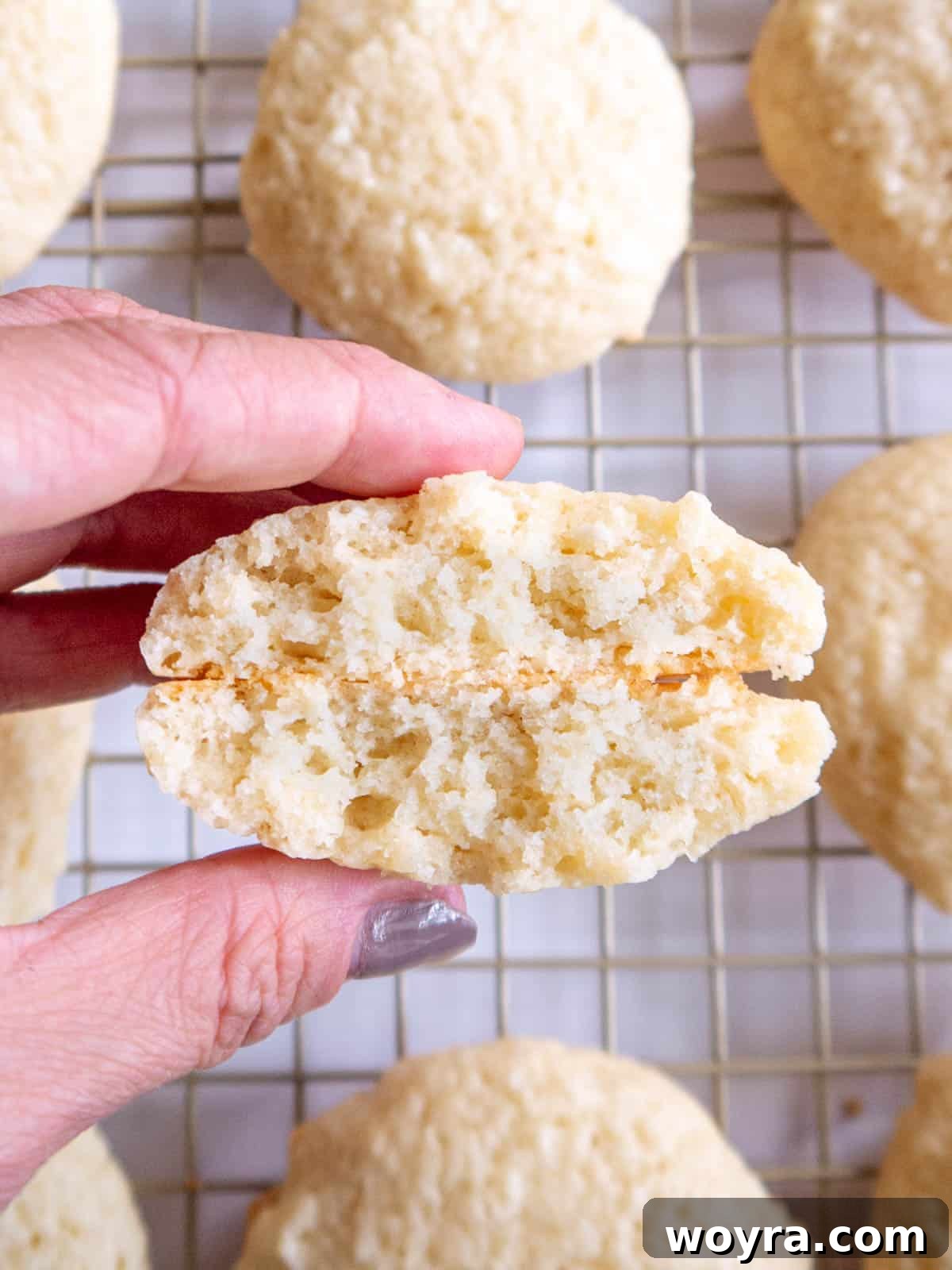
Cottage Cheese Cookies: The Secret to Incredibly Soft & Fluffy Sugar Cookies
Welcome to the world of baking where wholesome ingredients meet irresistible taste! These aren’t just any sugar cookies; they are a revelation. Our cottage cheese cookies are designed to be perfect for every moment – whether you’re celebrating a holiday, marking a special birthday, or simply yearning for the comforting aroma of freshly baked goods. They offer a fantastic way to enjoy a sweet treat while incorporating more nourishing components into your diet, thanks to the star ingredients: cottage cheese and olive oil.
You might be raising an eyebrow at the mention of cottage cheese in a dessert, but trust us – its presence is truly undetectable in the final flavor. Instead, it contributes to an exceptionally moist and tender crumb, elevating these cookies to a league of their own. Forget bland or dry cookies; these are packed with a subtle sweetness and a wonderfully rich mouthfeel that will have everyone asking for the recipe. You can enjoy them plain, right off the cooling rack, or unleash your creativity with frosting and decorations for an extra touch of festivity. They’re versatile, wholesome, and utterly delicious.
Embracing Cottage Cheese in Sweet Recipes
Cottage cheese has long been celebrated for its versatility in savory dishes, from creamy mashed potatoes to high-protein soups. Indeed, it’s a fantastic ingredient to boost protein content and add a creamy texture without heavy fats. However, its potential in sweet applications is often overlooked, and that’s precisely where these sugar cookies shine. The magic happens when the cottage cheese is blended until silky smooth, transforming it into a neutral, yet incredibly effective, moistening agent. This process eliminates any curd texture, leaving behind only the benefits of its dairy richness and binding properties. It’s a delightful secret ingredient that adds a unique depth and tenderness without imparting any cheesy flavor whatsoever.
Table of Contents
- Why These Cottage Cheese Cookies Are a Must-Try
- Key Ingredients for Perfect Cottage Cheese Cookies
- Step-by-Step Baking Guide: Crafting Your Cottage Cheese Cookies
- Expert Tips for the Best Cottage Cheese Cookies
- Common Questions About Cottage Cheese Cookies (FAQ)
- Variations and Serving Suggestions
- Other Cookie Recipes You’ll Love
- Cottage Cheese Cookies Full Recipe
Why These Cottage Cheese Cookies Are a Must-Try
This unique cookie recipe stands out for several compelling reasons, making it a valuable addition to any baker’s repertoire. Beyond their delicious taste, these cottage cheese cookies offer an innovative approach to baking that prioritizes both flavor and a touch of wholesome goodness.
- A Clever Nutritional Boost: Incorporating cottage cheese is a brilliant and unexpected way to add a subtle boost of protein and calcium to your diet without altering the cookie’s dessert status. It’s an excellent method to introduce dairy to those who might otherwise avoid it in baked goods.
- Butter-Free Baking: By substituting butter with olive oil and cottage cheese, these cookies offer a delightful alternative for those looking to reduce saturated fats or explore different fat sources in baking. Olive oil lends a nuanced flavor and contributes to the cookie’s tender texture, while cottage cheese provides the essential moisture.
- Irresistibly Fluffy and Chewy Texture: Prepare for a cookie experience unlike any other. These treats are designed to be incredibly fluffy, with a soft, chewy interior that practically melts in your mouth. They possess a delicate, almost cake-like consistency that is supremely satisfying.
- A Taste of Nostalgia: Many describe the flavor profile as reminiscent of old-fashioned sour cream cookies, offering a comforting, slightly tangy sweetness that is both familiar and exciting. This unique characteristic sets them apart from typical sugar cookies.
- Versatile Decoration Options: Whether you prefer a simple, rustic look or an elaborate, festive design, these cookies are a perfect canvas. They hold up beautifully to frosting, glazes, sprinkles, or a simple roll in sugar before baking for a sparkling finish.
- Simple and Approachable: Despite their sophisticated taste and texture, these cookies are surprisingly easy to make. The straightforward instructions and common ingredients make them accessible for bakers of all skill levels, ensuring a rewarding experience every time.
Key Ingredients for Perfect Cottage Cheese Cookies
Crafting these exceptional cottage cheese cookies relies on a selection of quality ingredients, each playing a crucial role in achieving their signature texture and flavor. Here’s a detailed look at what you’ll need and why:
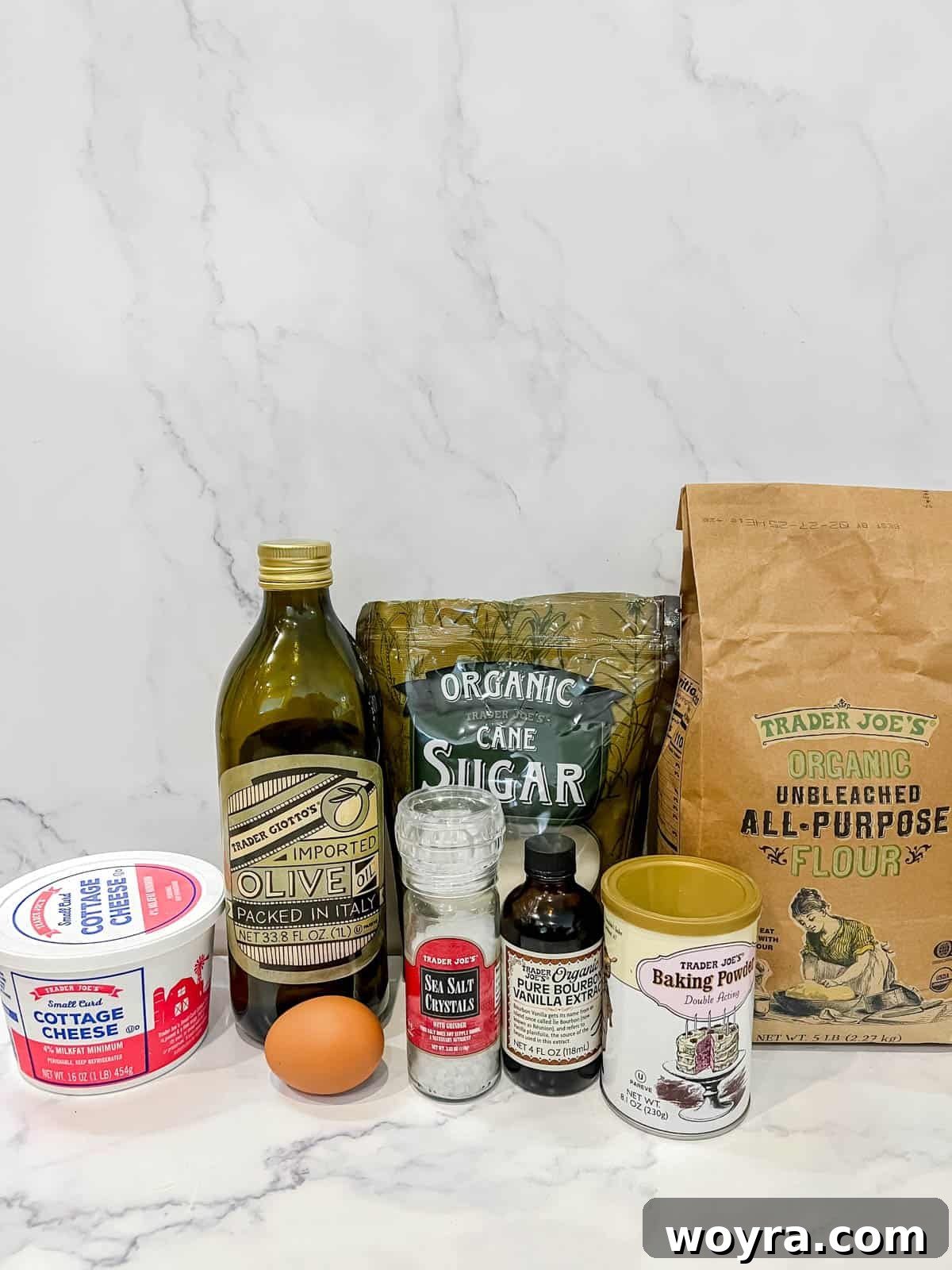
- Small Curd Cottage Cheese (4% milkfat minimum): This is the star ingredient! Opt for small curd and, crucially, a minimum of 4% milkfat. The higher fat content contributes to the richness and moistness of the cookies. Blending it smooth is essential to eliminate any curds, transforming it into a creamy, invisible component that enhances texture without affecting flavor. Remember to measure after blending.
- Olive Oil (Any Kind): Replacing butter, olive oil contributes to the cookies’ tender crumb and a subtly fruity undertone. A light or extra virgin olive oil will work well, adding healthy fats and a lovely aroma without overpowering the other flavors.
- Egg (Large): A single large egg acts as a binder, helping to emulsify the wet ingredients and provide structure to the cookies. It also adds a touch of richness and helps with the overall chewiness.
- Organic Cane Sugar (or Granulated Sugar): This provides the classic sweetness expected from a sugar cookie. Organic cane sugar is often less refined, but standard granulated sugar will yield equally delicious results. It also aids in tenderizing the dough and promoting browning.
- Vanilla Extract (Pure): Essential for any good cookie, pure vanilla extract adds a warm, aromatic depth that complements the other ingredients beautifully. Don’t skimp on quality here, as it makes a noticeable difference.
- Baking Powder: This leavening agent is vital for the cookies’ signature fluffy, cake-like rise. It reacts to heat and moisture, creating air bubbles that give the cookies their desirable light texture. Make sure it’s fresh for optimal results.
- All-Purpose Flour: The primary dry ingredient, all-purpose flour forms the structural base of these cookies. It’s important to measure it correctly using the spoon-and-level method to avoid dense or dry cookies.
- Salt (Fine Sea Salt or Table Salt): A small amount of salt is crucial for balancing the sweetness and enhancing all the other flavors in the cookies. It prevents them from tasting flat and brings out their best qualities.
For precise quantities and detailed instructions, refer to the comprehensive recipe card conveniently located at the end of this article.
Step-by-Step Baking Guide: Crafting Your Cottage Cheese Cookies
Follow these detailed steps to ensure your cottage cheese cookies turn out perfectly soft, fluffy, and delicious every time. Precision in baking leads to the best results!
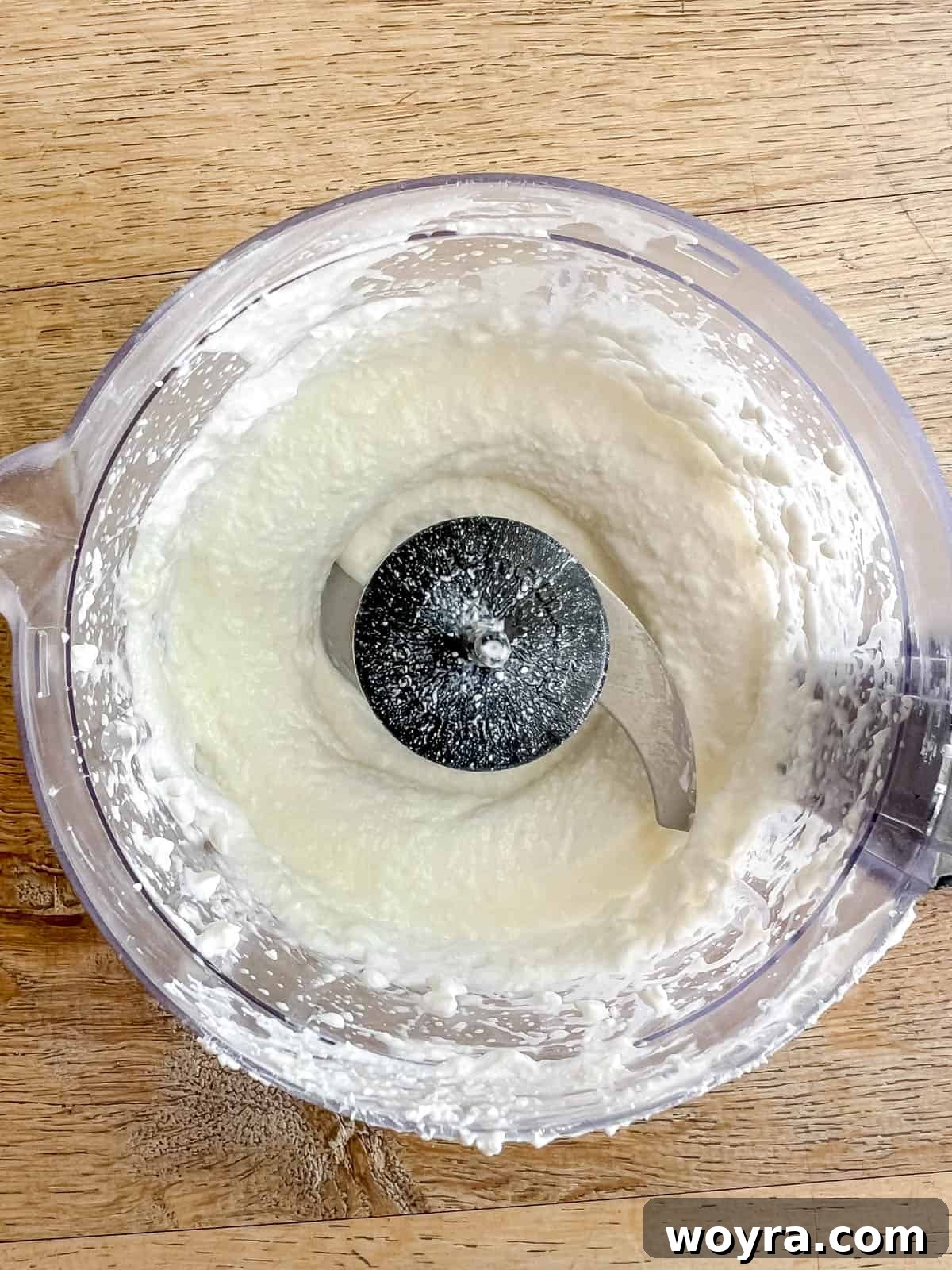
Step 1: Prepare the Cottage Cheese. Begin by placing your small curd cottage cheese into a food processor. Blend it on high until it reaches a completely smooth and creamy consistency, with no visible curds remaining. This step is crucial for the final texture of your cookies. Once blended, measure out exactly ½ cup of this smooth cottage cheese and set it aside. Preheat your oven to 350°F (175°C) and line two baking sheets with parchment paper or silicone mats. Position an oven rack in the upper third of your oven for even baking.
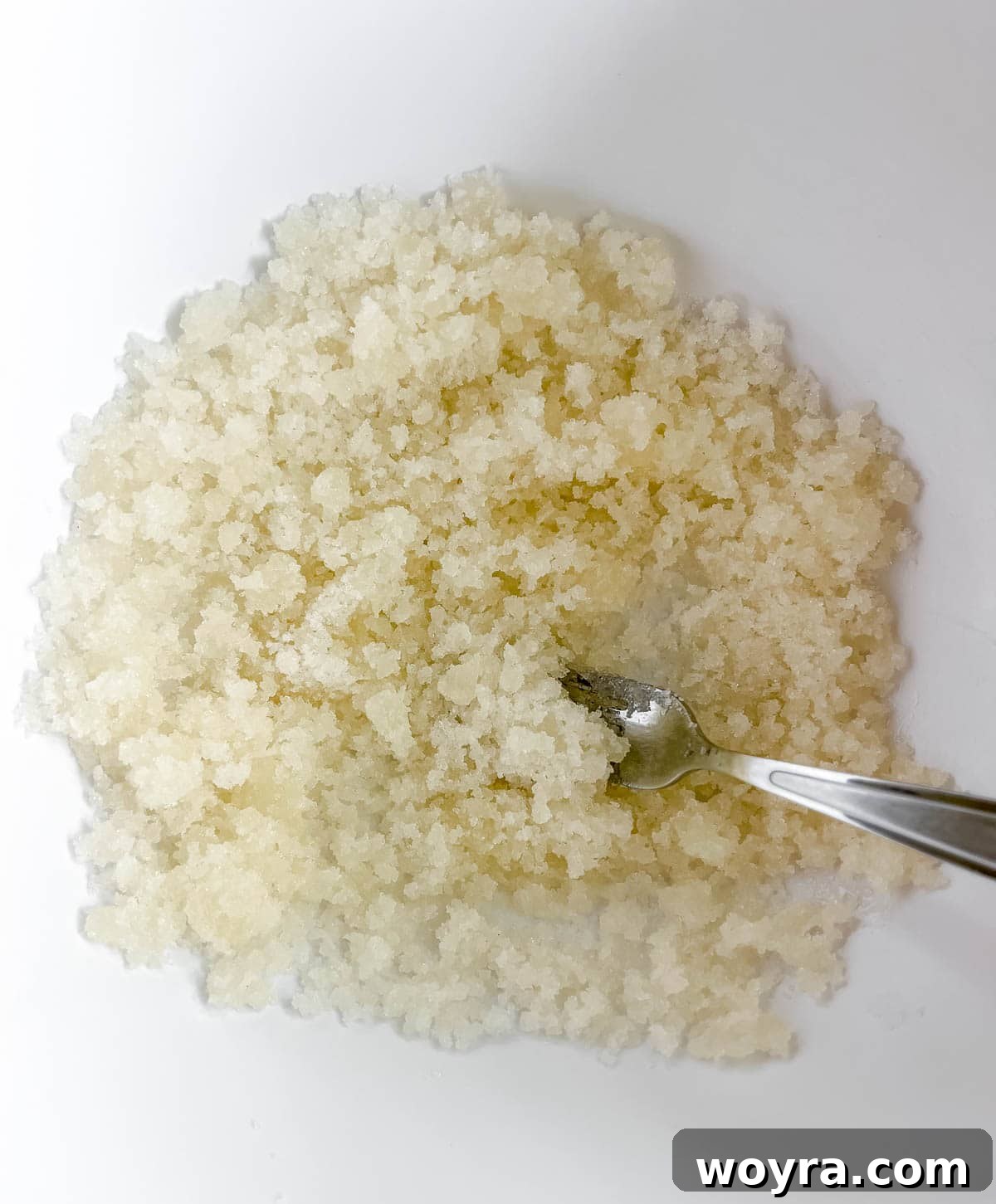
Step 2: Combine Wet Ingredients (Part 1). In a large mixing bowl, pour the olive oil and add the cane sugar. Use a fork or a whisk to vigorously mix these two ingredients together until they are thoroughly combined and the sugar begins to dissolve into the oil. This process helps create a homogenous base for your cookie dough.
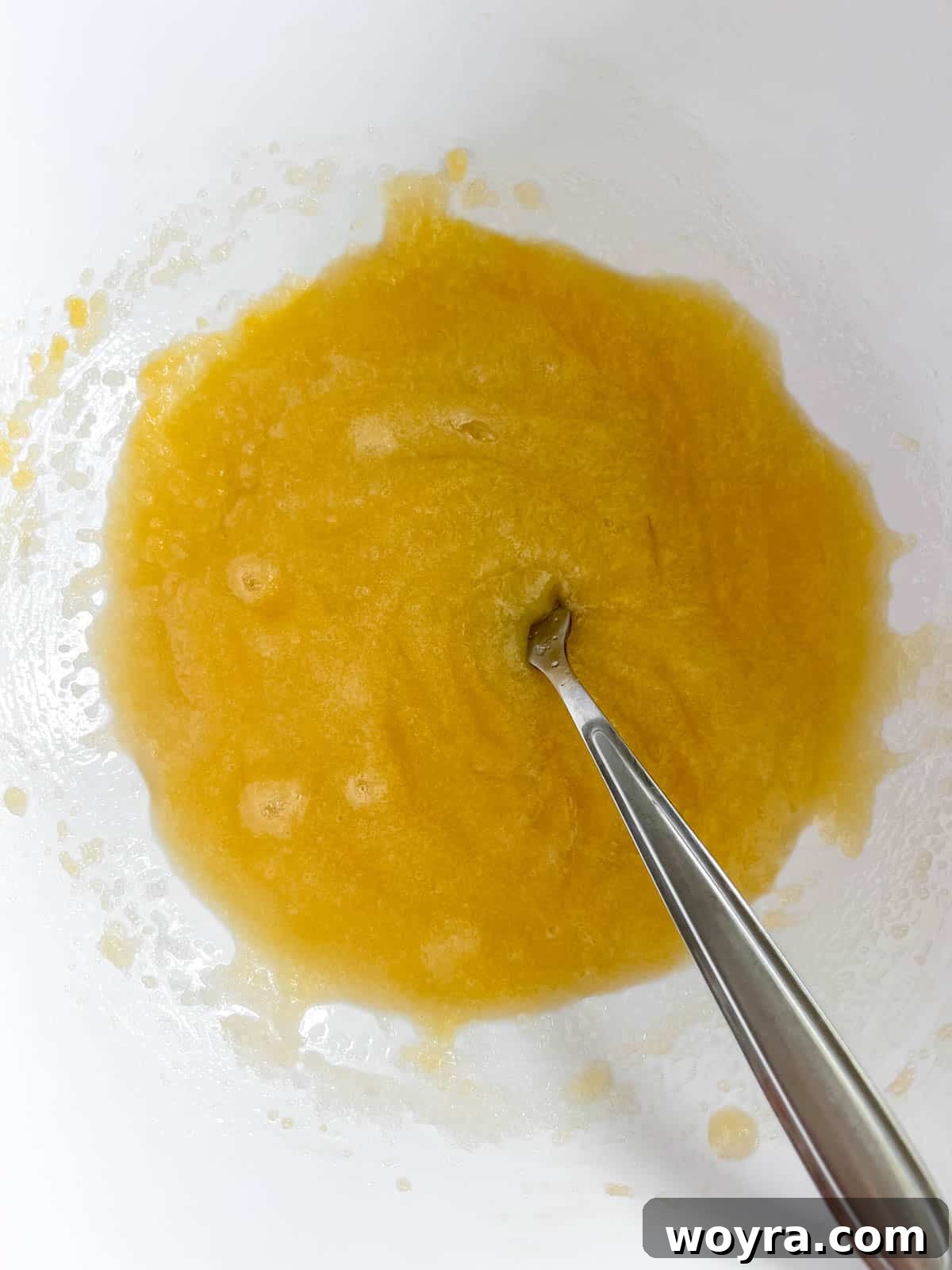
Step 3: Combine Wet Ingredients (Part 2). Crack the egg into the sugar and olive oil mixture. Then, add the vanilla extract. Mix everything together well, ensuring the egg is fully incorporated and the mixture is smooth and evenly combined. The vanilla will infuse the dough with its signature sweet aroma.
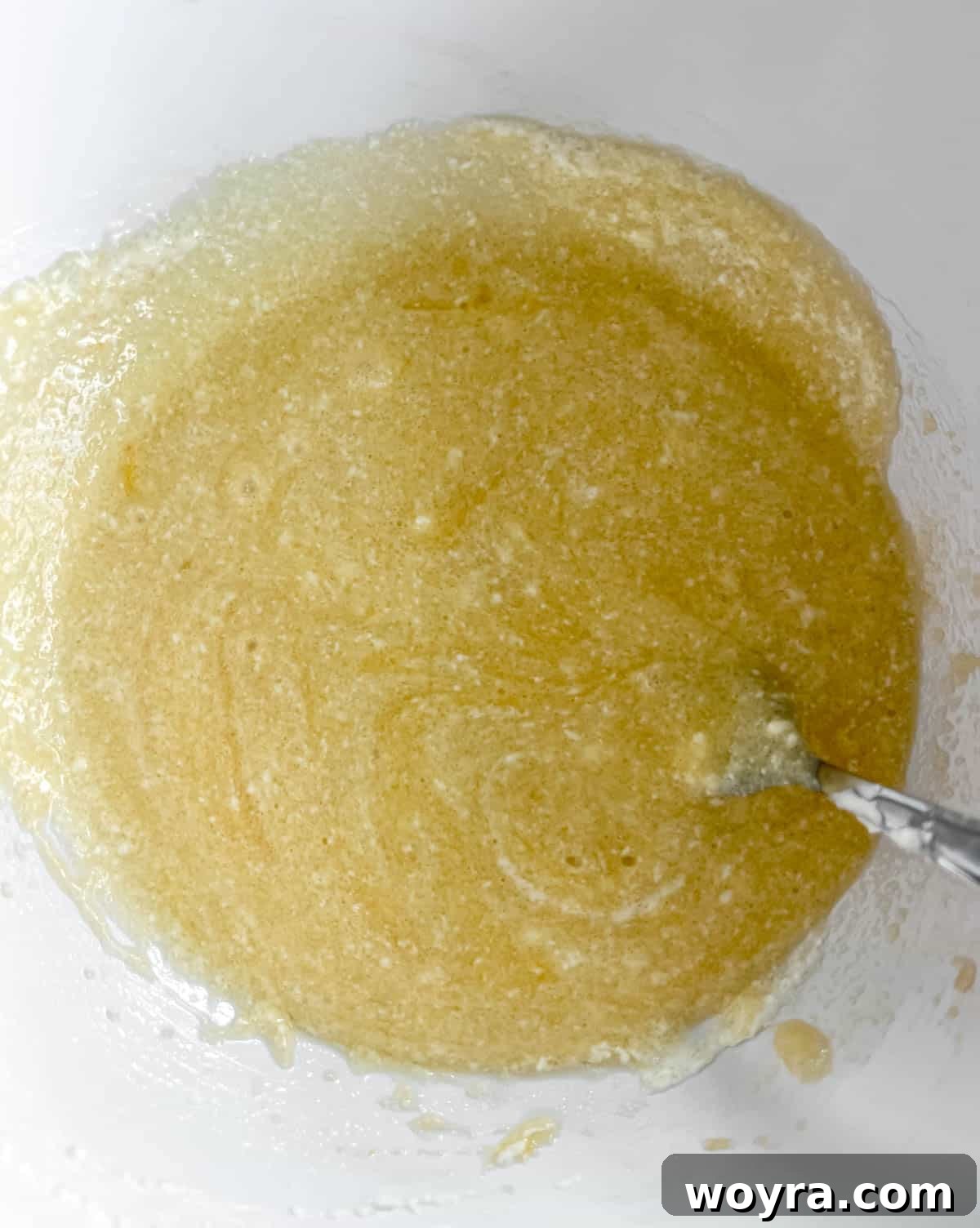
Step 4: Incorporate the Star Ingredient. Now, carefully add the ½ cup of smooth, blended cottage cheese to your wet mixture. Stir gently until it is fully incorporated and the batter appears uniform. Avoid overmixing, but ensure the cottage cheese is evenly distributed throughout the liquid ingredients.
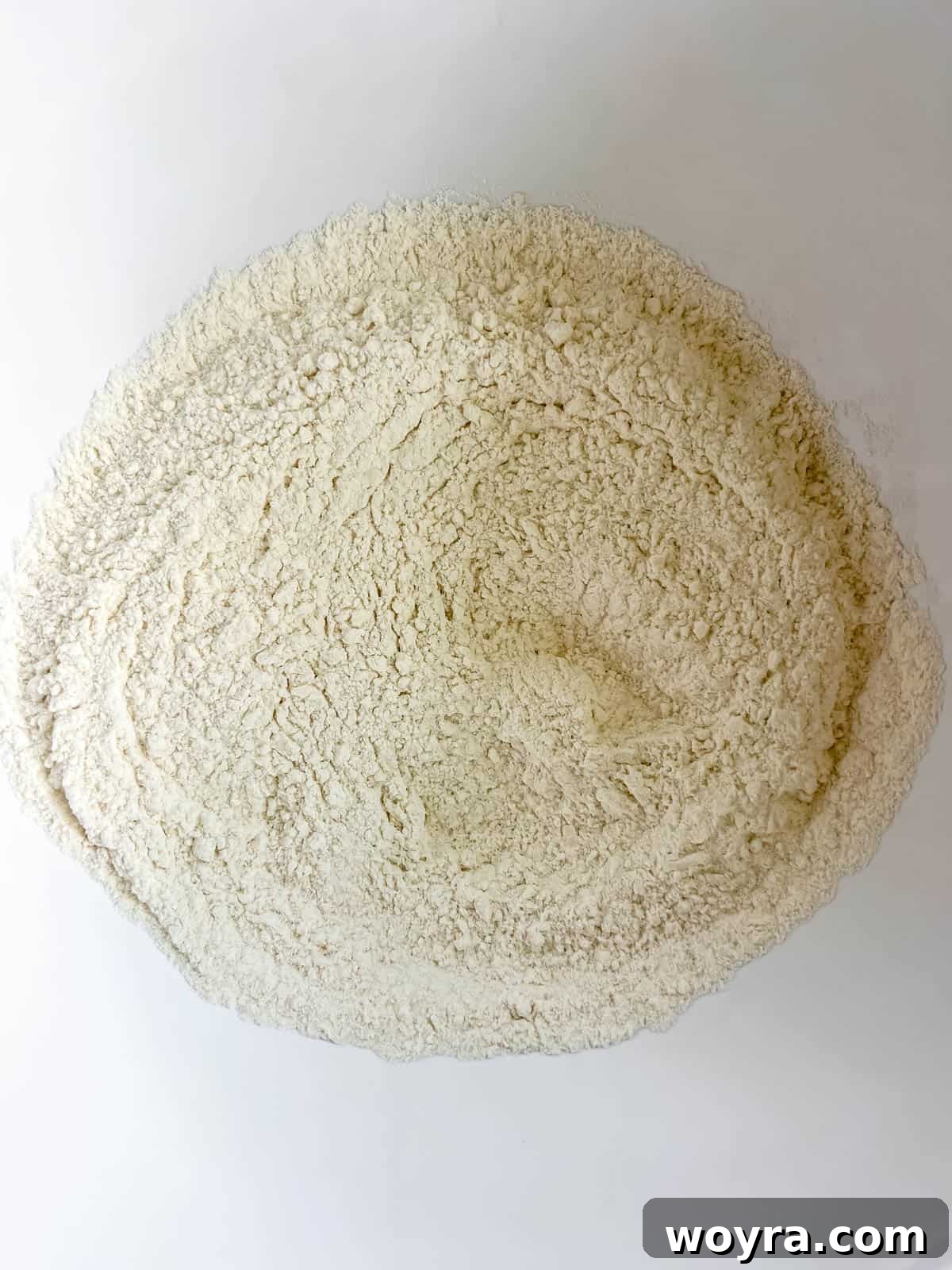
Step 5: Prepare the Dry Ingredients. In a separate, medium-sized bowl, combine the all-purpose flour, baking powder, and salt. Use a whisk to thoroughly mix these dry ingredients together. This ensures that the leavening agent and salt are evenly distributed throughout the flour, which is crucial for uniform cookie texture and flavor. Remember to measure your flour using the spoon and level method.
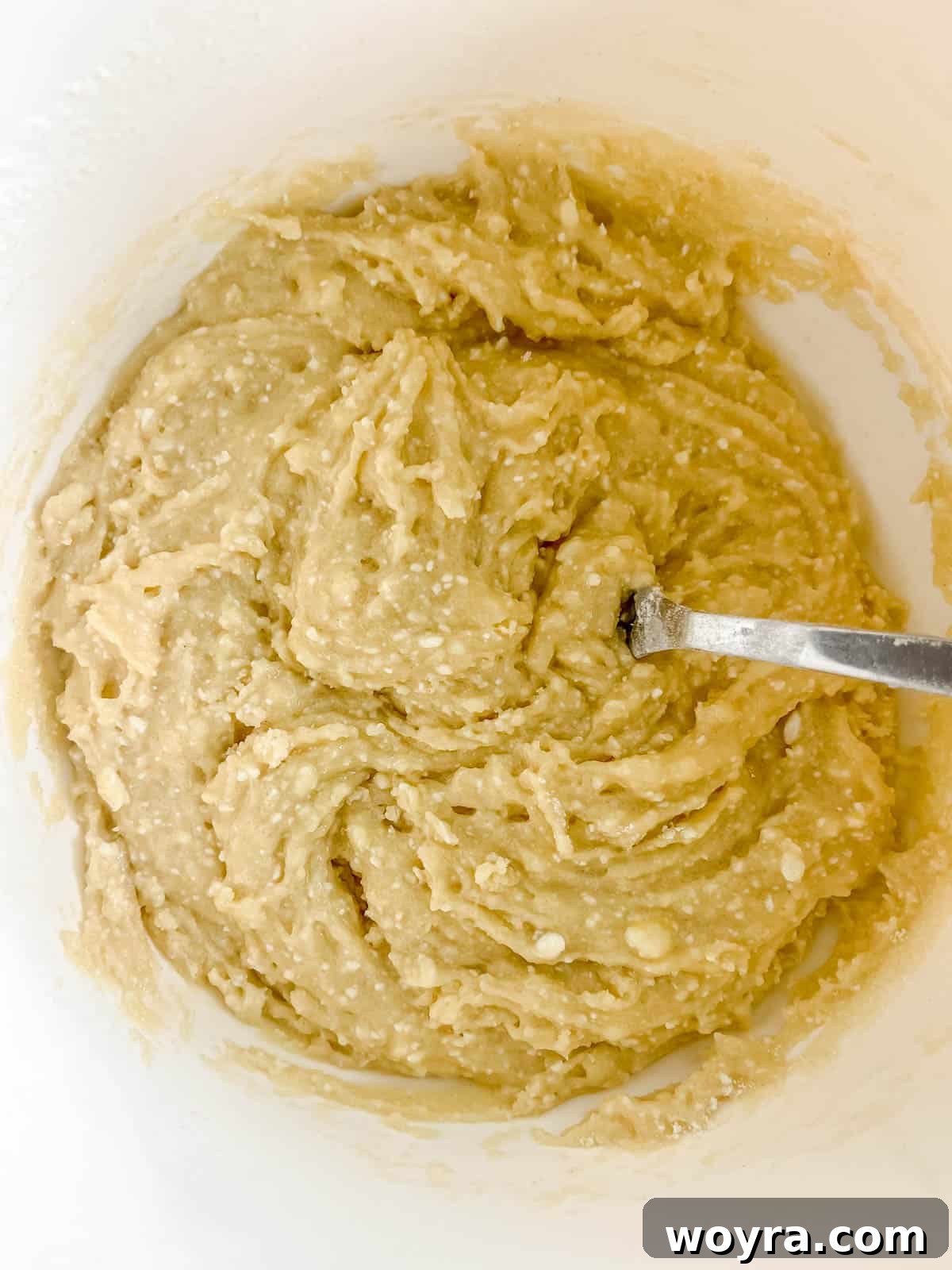
Step 6: Combine Wet and Dry Ingredients. Gradually add the dry ingredient mixture to the bowl of wet ingredients. Mix everything together using a spoon or spatula until a soft, cohesive cookie dough forms. Be careful not to overmix the dough, as this can lead to tougher cookies. Mix just until no streaks of flour are visible.
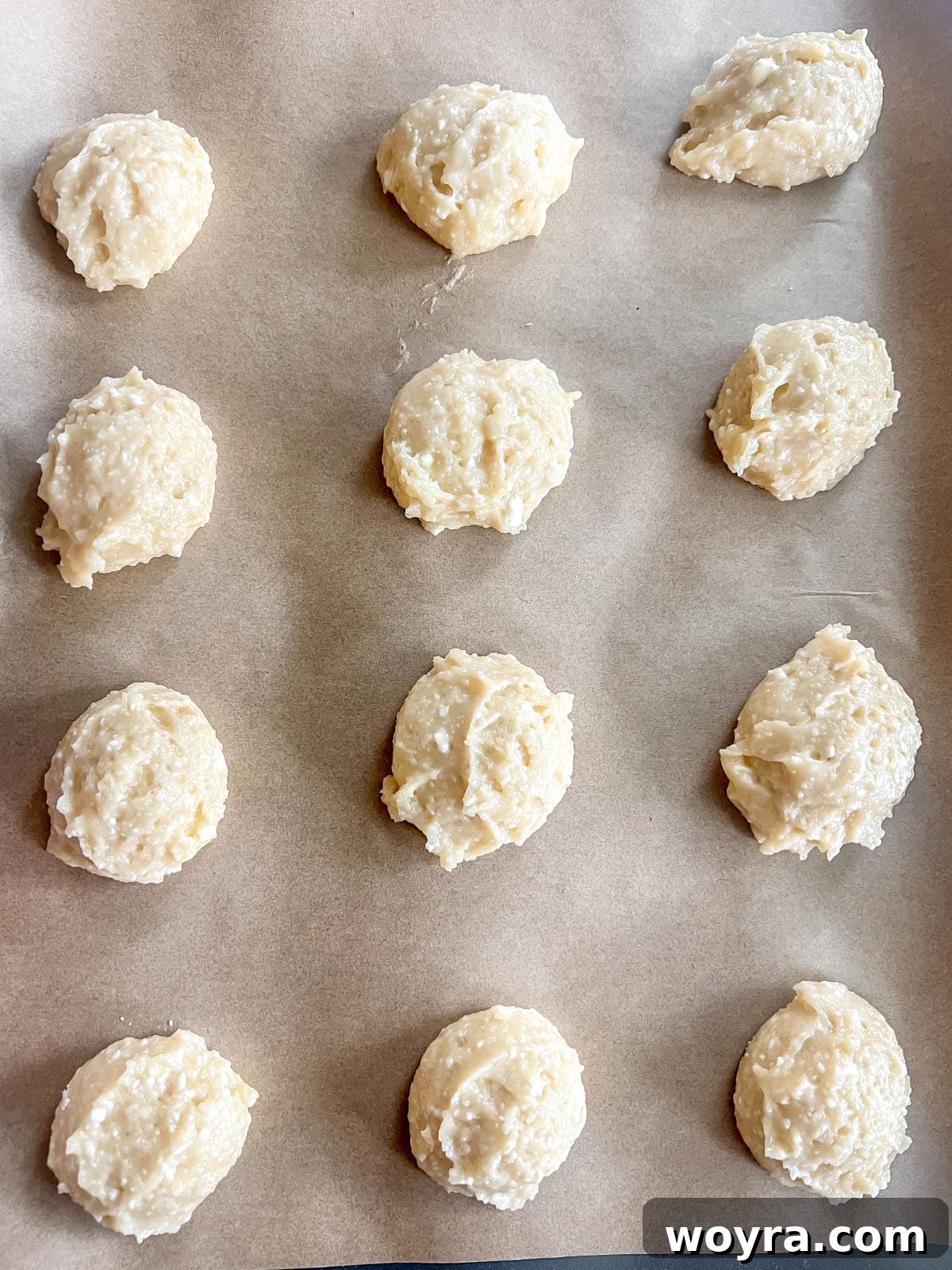
Step 7: Scoop the Cookie Dough. Using a small cookie scoop (approximately 1 tablespoon or golf-ball sized), scoop out portions of the cookie dough. Roll them gently into smooth balls and place them onto your prepared baking sheets, leaving about 2 inches of space between each cookie to allow for spreading. This recipe typically yields about 18-20 cookies, so you’ll likely need to use both prepared baking sheets.
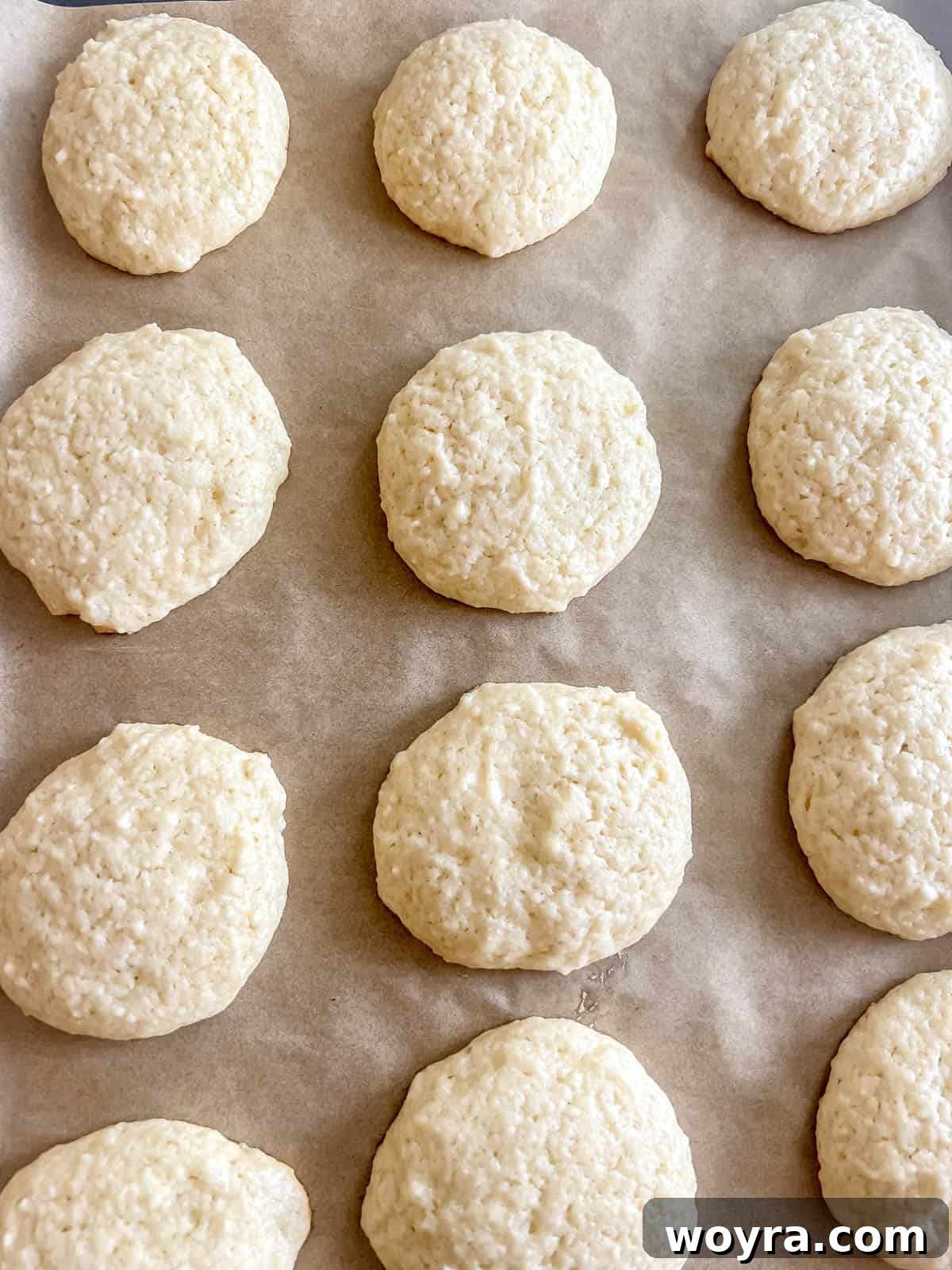
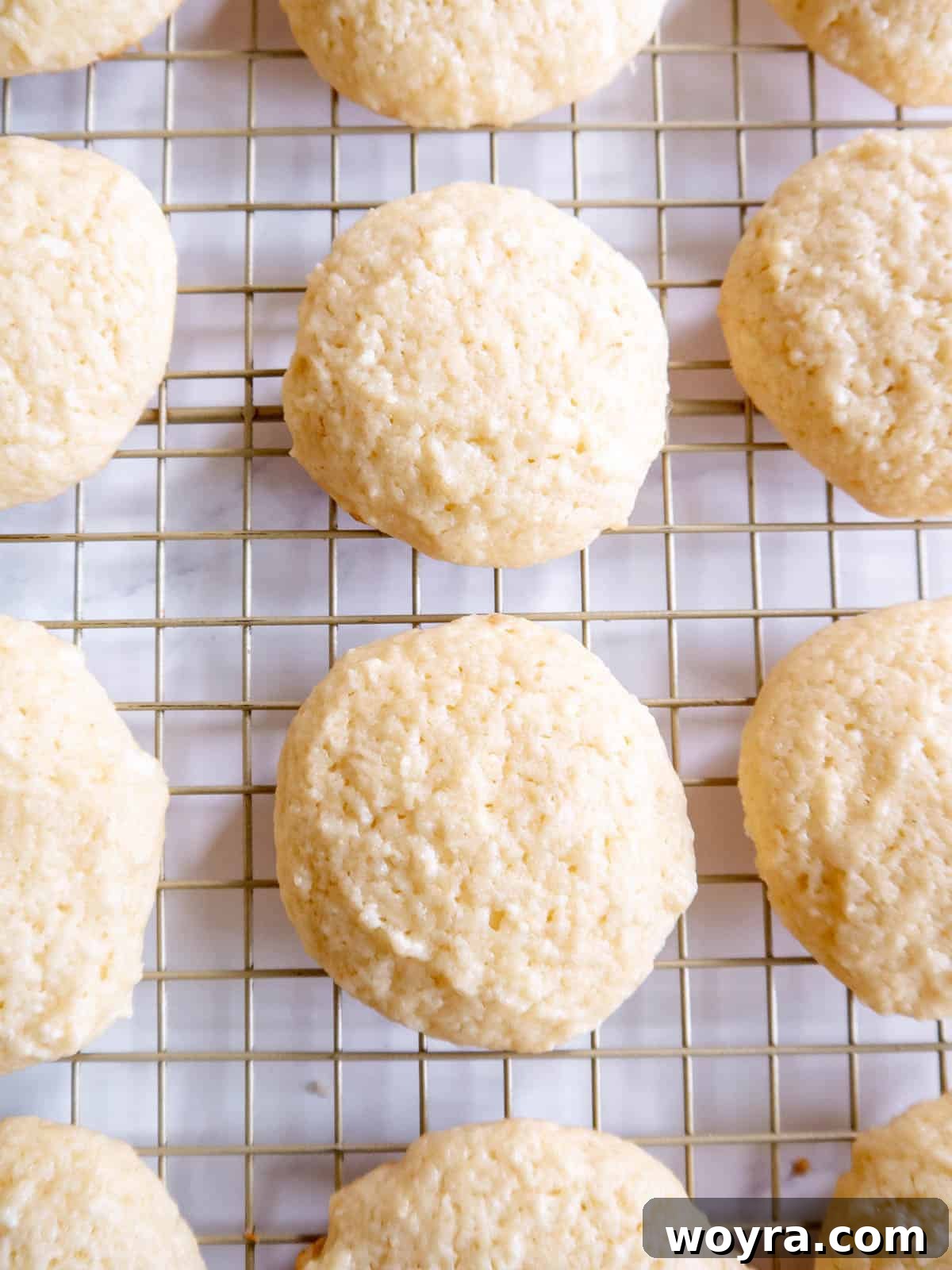
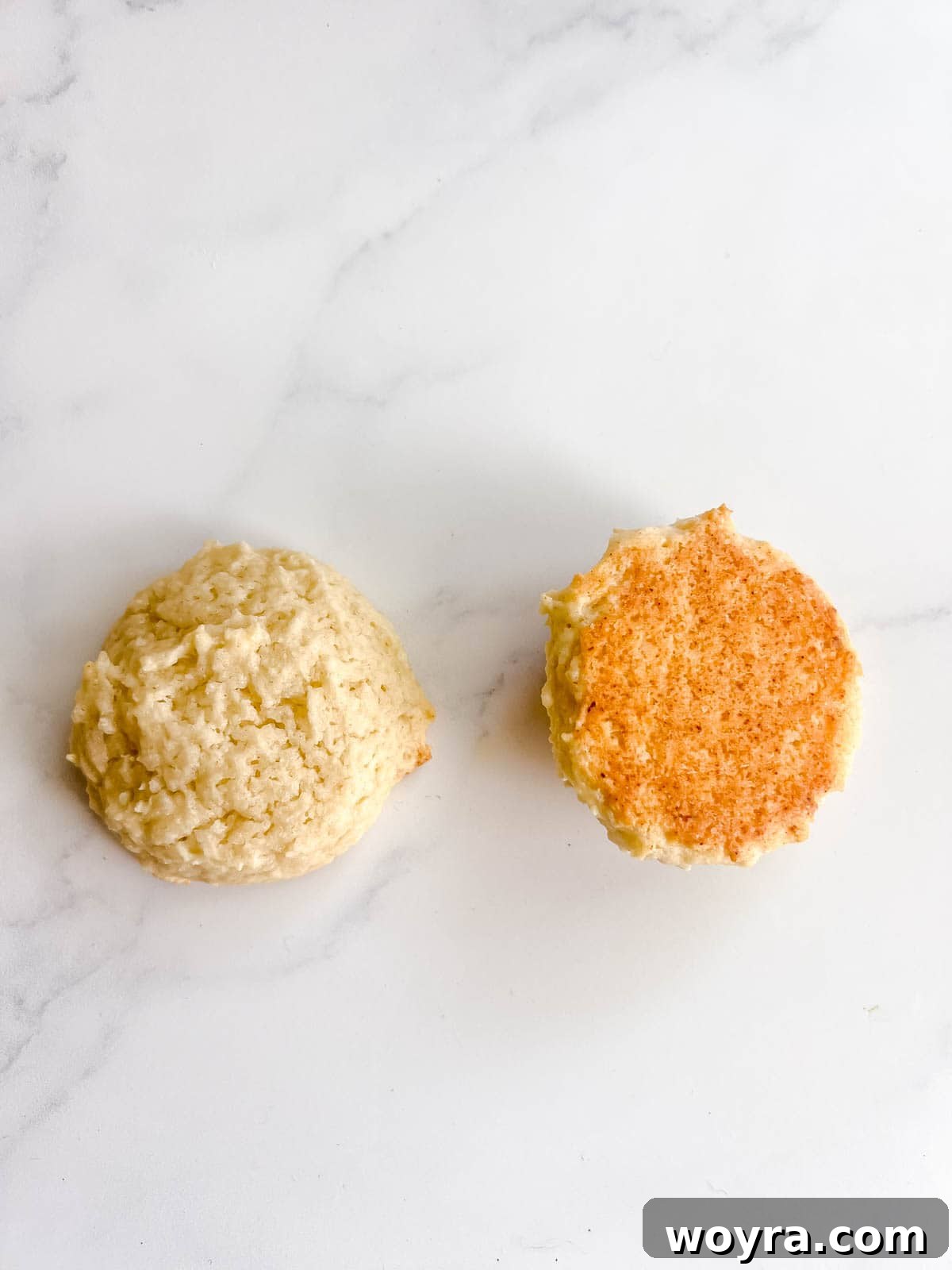
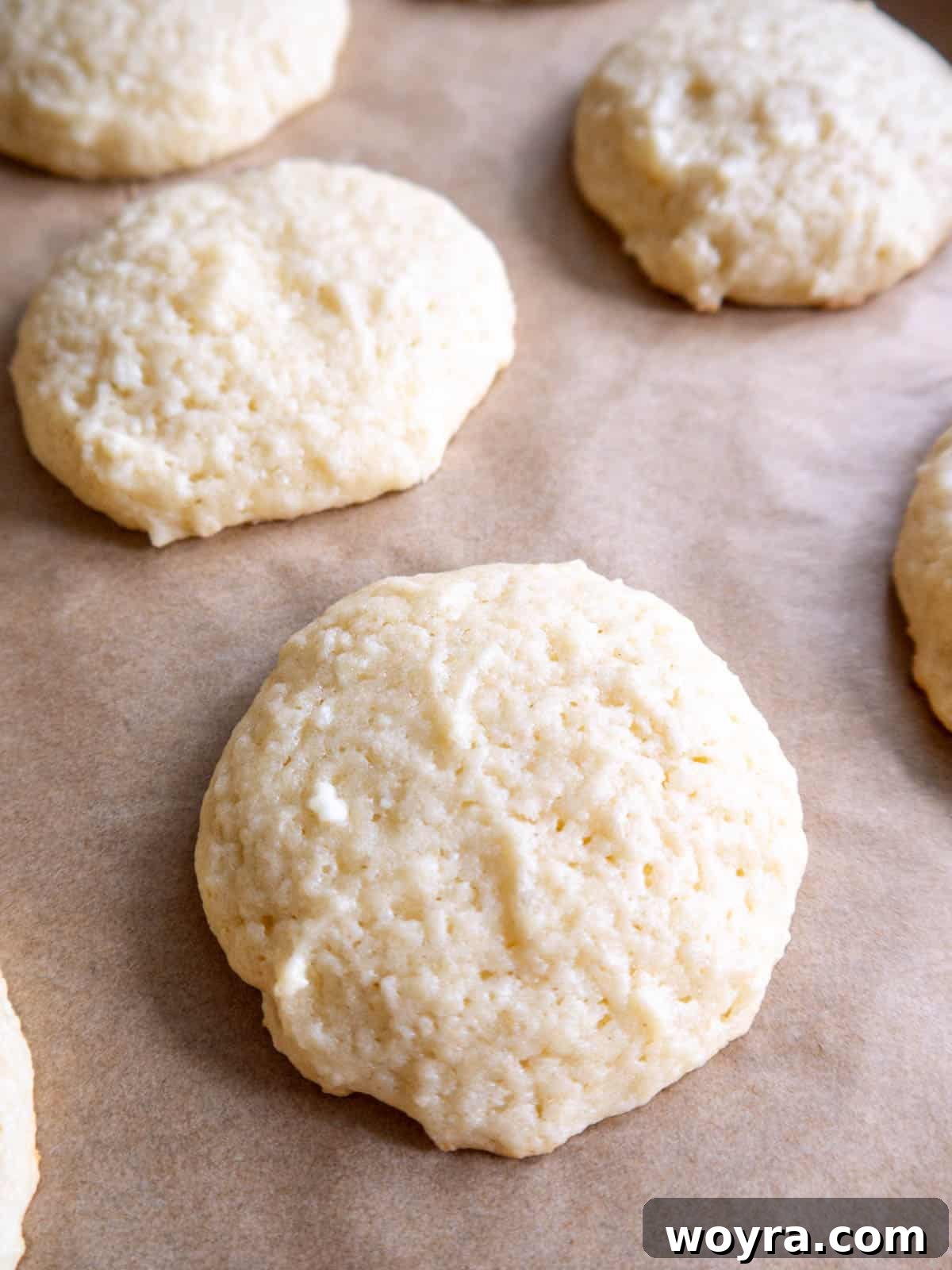
Step 8: Bake to Perfection. Transfer the baking sheets to your preheated oven. Bake for approximately 12-14 minutes. The cookies are done when their bottoms are lightly golden brown, but their tops still appear pale and slightly set. This indicates a soft, tender interior. If you desire a slightly crispier edge, you can bake for an additional minute or two, but be mindful not to overbake, as this can lead to dry cookies. Once baked, remove from the oven and let them cool on the baking sheet for a few minutes before transferring to a wire rack to cool completely.
Expert Tips for the Best Cottage Cheese Cookies
Achieving the perfect cottage cheese cookie is simple with these expert tips designed to guide you through the process and ensure outstanding results every single time:
- Baking Powder, NOT Baking Soda: This is a critical distinction! This recipe specifically calls for baking powder. Using baking soda will cause your cookies to spread excessively thin and potentially “explode” during baking, leading to an undesirable texture and appearance. Always double-check your leavening agent before adding it to the mix.
- Accurate Flour Measurement (Spoon and Level Method): Proper flour measurement is paramount for cookie success. Instead of scooping flour directly from the bag, which can compact it and lead to too much flour, use the spoon and level method. Lightly spoon flour into your measuring cup until it overflows, then use the back of a knife or a straight edge to level off the excess. This prevents dense, dry cookies. For visual guidance, refer to resources like this guide on how to measure flour.
- Measure Cottage Cheese AFTER Blending: For consistent results and the optimal texture, it is crucial to measure your cottage cheese *after* it has been thoroughly blended into a smooth consistency. Measuring before blending will result in less actual cottage cheese by volume, impacting the moisture and tenderness of your cookies.
- Optimal Storage: To keep your cottage cheese cookies fresh and delicious, store them in an airtight container at room temperature. They will remain wonderfully soft and flavorful for 3-4 days. For longer storage, they can be frozen for up to 2-3 months in a freezer-safe container.
- Knowing When They’re Done: Don’t wait for these cookies to turn golden brown on top, as they tend to remain pale. The key indicator of doneness is a slightly golden or set bottom. The tops should look dry and set, but still light in color. Overbaking will lead to a dry, less tender cookie. Check out the accompanying photo below for a visual example of perfectly baked cookies.
- Don’t Overmix: As with most cookie doughs, overmixing after adding the flour can develop the gluten too much, resulting in tough cookies. Mix just until the ingredients are combined and no dry streaks of flour remain.
- Even Sizing: For uniform baking, try to make your cookie dough balls roughly the same size. A cookie scoop is an excellent tool for this, ensuring each cookie bakes consistently and looks professional.
Common Questions About Cottage Cheese Cookies (FAQ)
Can I taste the cottage cheese in these cookies?
No, absolutely not! This is one of the most common questions, and the answer is a resounding no. When the cottage cheese is blended until smooth, its flavor becomes completely neutral. It primarily acts as a source of moisture and contributes to the incredibly soft, almost cake-like texture, without imparting any cheesy taste whatsoever. It’s a secret ingredient that works wonders behind the scenes!
Why use olive oil instead of butter?
Using olive oil instead of butter is a key differentiator in this recipe. Olive oil offers a lighter, fruitier flavor profile that complements the sweetness of the cookies beautifully. From a health perspective, it’s a monounsaturated fat, which is generally considered healthier than the saturated fats found in butter. It also contributes to a wonderfully tender crumb, creating a unique mouthfeel that’s different from butter-based cookies.
Can I use low-fat cottage cheese?
While technically possible, for the best results, we highly recommend using small curd cottage cheese with at least 4% milkfat. The fat content in the cottage cheese significantly contributes to the richness, moisture, and tender texture of these cookies. Lower fat varieties might result in a slightly drier or less flavorful cookie. If you must use low-fat, consider adding an extra teaspoon of olive oil to compensate for some of the lost moisture.
How long do these cookies last?
When stored properly in an airtight container at room temperature, these cottage cheese cookies will maintain their freshness and deliciousness for about 3 to 4 days. If you want to extend their shelf life, they can be frozen for up to 2-3 months. Just thaw them at room temperature when you’re ready to enjoy them.
Can I frost these cookies?
Absolutely! These cookies are a fantastic canvas for various frostings and decorations. A simple vanilla glaze, a cream cheese frosting, or even a lemon-flavored icing would complement their subtle sweetness wonderfully. Their slightly firm yet tender texture holds up well to decorative toppings, making them perfect for special occasions.
Variations and Serving Suggestions
While these cottage cheese cookies are perfect as is, they also lend themselves beautifully to customization. Here are some ideas to make them your own and how best to enjoy them:
- Citrus Zest: Add 1-2 teaspoons of lemon or orange zest to the wet ingredients for a bright, refreshing flavor profile.
- Nutmeg or Cardamom: A pinch of ground nutmeg or cardamom can introduce a warm, cozy spice that pairs wonderfully with the vanilla.
- Almond Extract: Replace half of the vanilla extract with almond extract for a delicate, nutty aroma.
- Glazed Perfection: For a simple yet elegant finish, whisk together powdered sugar with a splash of milk or lemon juice to create a thin glaze. Drizzle over cooled cookies.
- Sugar-Dusted: Before baking, roll the cookie dough balls in granulated sugar for a sparkly, slightly crisp exterior.
- Chocolate Chips: Fold in a ½ cup of mini chocolate chips or white chocolate chips into the dough for a delightful addition.
- Serving Warm: Enjoy these cookies slightly warm, perhaps with a scoop of vanilla ice cream, for a truly decadent dessert.
- Coffee or Tea Companion: Their soft texture and mild sweetness make them an ideal accompaniment to a morning coffee or an afternoon tea.
- School Lunches & Snacks: They make a wholesome and delicious treat for lunchboxes or after-school snacks.
Other Cookie Recipes You’ll Love
If you enjoyed the unique texture and subtle sweetness of these cottage cheese cookies, you’ll be delighted to explore other delicious cookie creations that are just as satisfying and often feature healthier twists. Expand your baking repertoire with these fantastic recipes:
Did you try this recipe? Please leave us a ⭐ review below! Your feedback helps us grow and improve.
Cottage Cheese Cookies
By: Dominique
Yields: 18-20 cookies
Prep time: 15 minutes
Cook time: 12-14 minutes
Total time: 27-29 minutes
Fluffy, soft, and delicious sugar cookies that are made with cottage cheese and olive oil instead of butter, offering a melt-in-your-mouth experience.
Ingredients
- 1/3 cup olive oil
- 1 cup cane sugar, (or granulated sugar)
- 1 teaspoon vanilla extract
- 1 large egg
- 1/2 cup blended small curd cottage cheese (4% milk fat), (measure after blending in a food processor)
- 1 1/2 cups all-purpose flour, (measured using spoon and level method)
- 1 teaspoon baking powder
- 1/4 teaspoon salt
Instructions
- Preheat your oven to 350°F (175°C). Line two large baking sheets with parchment paper or silicone mats. Ensure an oven rack is placed in the upper third of your oven.
- Place the small curd cottage cheese into a food processor and blend until it is completely smooth and creamy, with no curds visible. Measure out ½ cup of the blended cottage cheese and set aside.
- In a large mixing bowl, combine the olive oil and cane sugar. Whisk or stir vigorously with a fork until well incorporated.
- Add the large egg and vanilla extract to the wet mixture. Mix thoroughly until smooth and evenly combined.
- Gently fold in the ½ cup of blended cottage cheese into the wet ingredients, mixing until just combined.
- In a separate, medium bowl, whisk together the all-purpose flour, baking powder, and salt until well combined and lump-free.
- Gradually add the dry ingredients to the wet ingredients. Mix with a spoon or spatula until a soft cookie dough forms. Be careful not to overmix; stop as soon as no dry streaks of flour remain.
- Using a small cookie scoop (approximately 1 tablespoon) or by hand, roll golf-ball sized amounts of dough. Place the dough balls onto the prepared baking sheets, leaving about 2 inches of space between each cookie. This recipe yields 18-20 cookies, so use both baking sheets.
- Bake for 12-14 minutes, or until the bottoms of the cookies are lightly golden brown and the tops appear pale and set. They should still be soft to the touch.
- Remove the baking sheets from the oven and let the cookies cool on the sheets for a few minutes before transferring them to a wire rack to cool completely. Enjoy plain, or decorate as desired!
Recipe Notes
- Baking Powder is Key: Do not substitute baking soda for baking powder. Baking soda will cause the cookies to spread too much and become very thin.
- Flour Measurement: Always use the spoon and level method to measure your flour to prevent adding too much, which can lead to dry cookies.
- Blended Cottage Cheese: Measure your cottage cheese *after* it has been blended smooth in the food processor for accurate consistency.
- Storage: Store cooled cookies in an airtight container at room temperature for up to 3-4 days. They can also be frozen for longer storage.
- Doneness Indicator: Look for lightly golden bottoms and pale, set tops. Avoid overbaking to maintain their soft, fluffy texture.
- Optional Toppings: Consider rolling the dough in granulated sugar before baking, or frost cooled cookies with your favorite icing for an extra treat.
Nutrition Information (Approximate per cookie)
Calories: 126kcal | Carbohydrates: 19g | Protein: 2g | Fat: 5g | Saturated Fat: 1g | Polyunsaturated Fat: 1g | Monounsaturated Fat: 3g | Trans Fat: 0.001g | Cholesterol: 10mg | Sodium: 78mg | Potassium: 21mg | Fiber: 0.3g | Sugar: 11g | Vitamin A: 21IU | Calcium: 21mg | Iron: 1mg
Nutrition information is automatically calculated and should be used as an approximation only.
Additional Information
Course: Dessert
Cuisine: American
Did you love this recipe? Share your creations! Mention @perchancetocook or tag #perchancetocook on social media!