
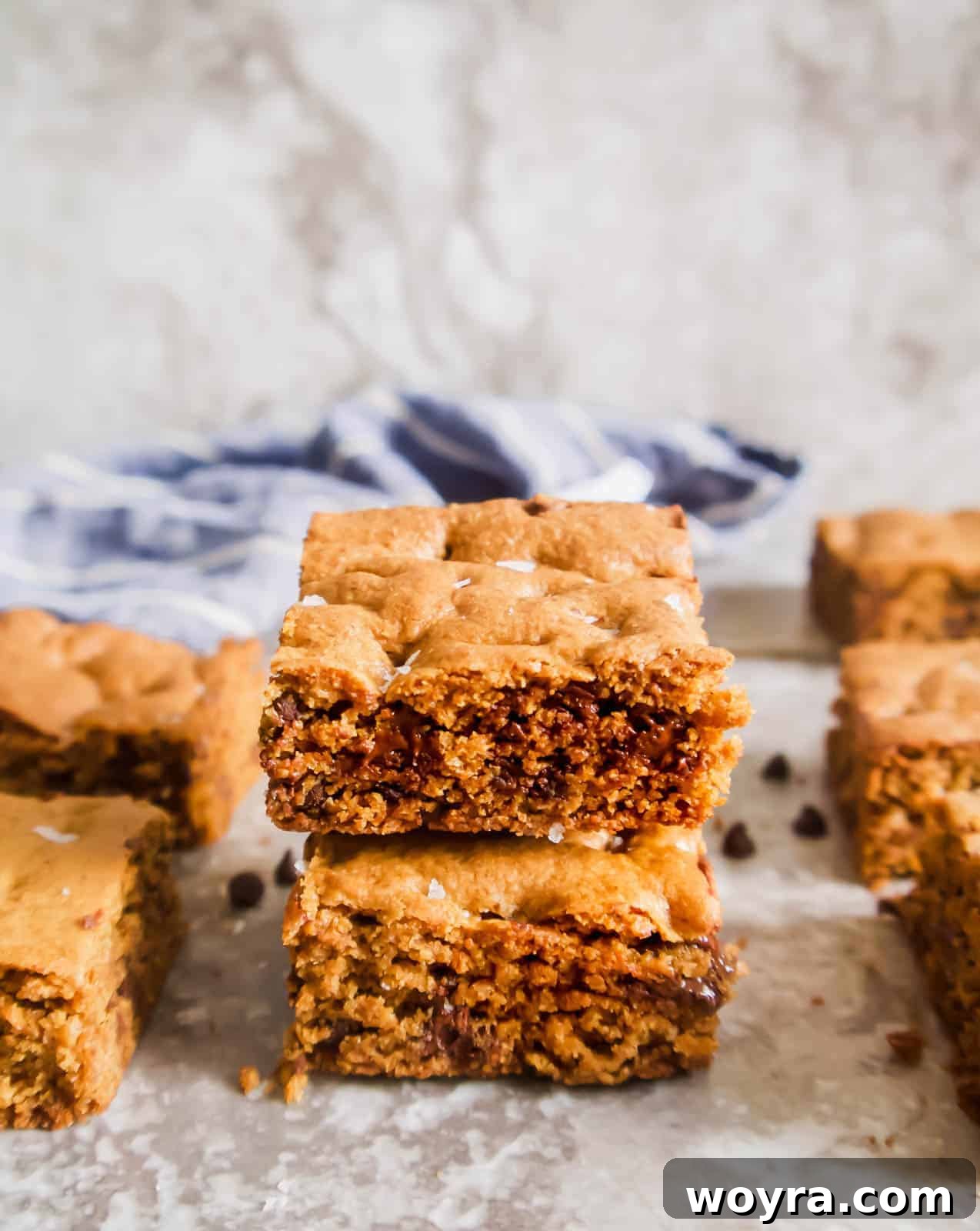
Delicious Gluten-Free Chocolate Chip Cookie Bars (Paleo & Dairy-Free)
Indulge in these incredibly soft and wonderfully chewy gluten-free chocolate chip cookie bars, crafted with a focus on wholesome and healthier ingredients. This delightful recipe utilizes a thoughtful blend of almond flour, tapioca flour, and coconut flour, alongside natural coconut sugar, to create a treat that’s not only delicious but also naturally Gluten-free, Dairy-free, Grain-free, and perfectly suitable for a Paleo lifestyle. Say goodbye to guilt and hello to a comforting dessert that everyone can enjoy!
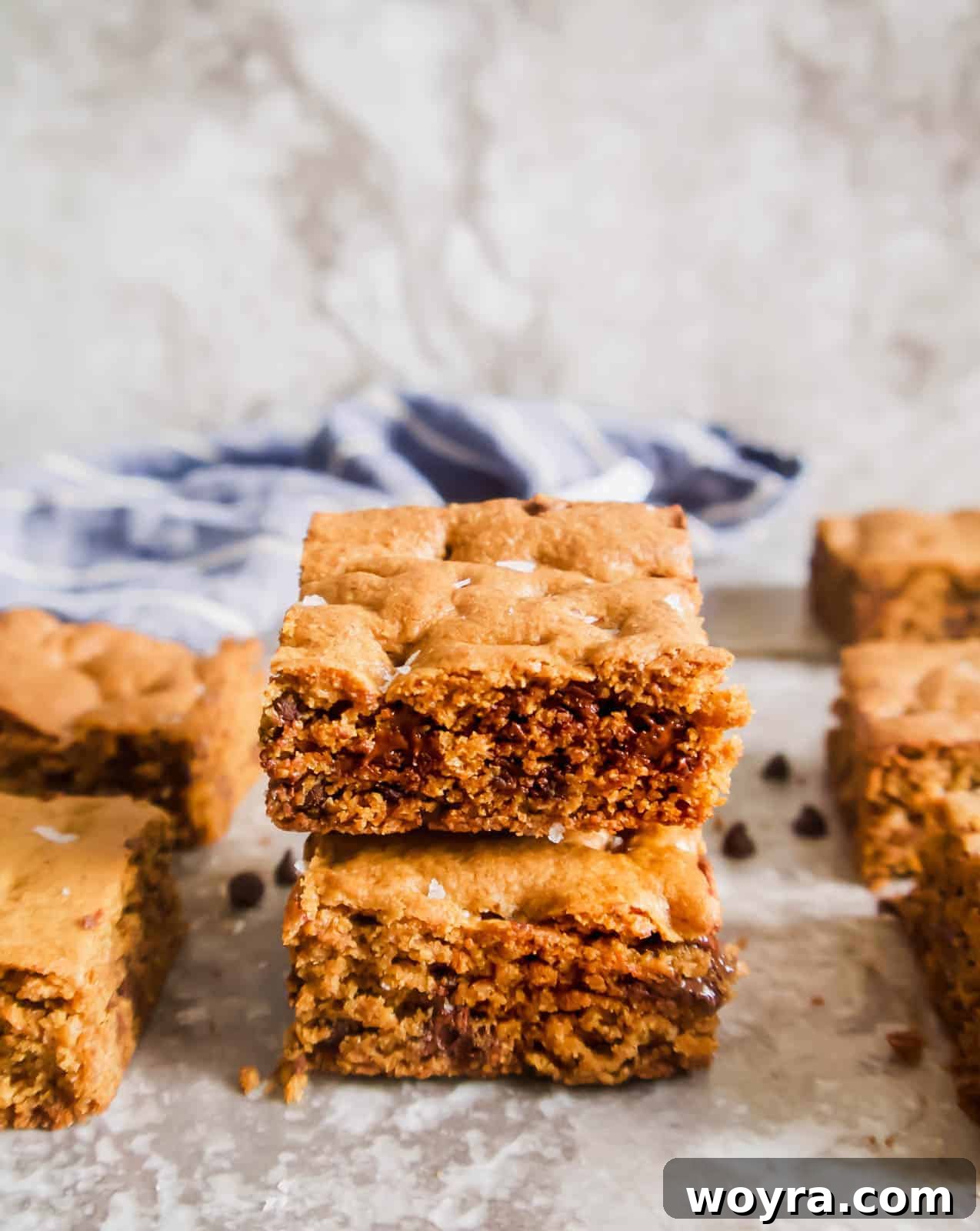
For those who, like me, have an undeniable passion for all variations of chocolate chip cookies, these bars are a revelation. While classic cookies hold a special place, there’s something uniquely satisfying about the thick, substantial chewiness of a cookie bar. I’ve explored many delightful iterations, from banana oatmeal chocolate chip cookies to white chocolate chip cookies, and even rich gluten-free chocolate candy cookie bars. But these specific gluten-free chocolate chip cookie bars have become a firm favorite in my kitchen, and I’m confident they’ll become one in yours too.
What sets these cookie bars apart is their exceptional texture – thick, wonderfully chewy, and packed with irresistible flavor. Beyond their deliciousness, they boast an impressive nutritional profile, catering to several dietary needs. They are completely Gluten-free, Dairy-free, Grain-free, and align perfectly with the Paleo diet. This makes them an ideal dessert for individuals with sensitivities or those simply seeking a more health-conscious treat without compromising on taste or satisfaction.
Table of Contents
- Why This Recipe Is So Great
- Essential Recipe Ingredients
- Additions & Smart Substitutions
- Easy Step-by-Step Instructions
- Baking Tips & FAQs
- More Cookie Recipes You’ll Love
- Gluten-Free Chocolate Chip Cookie Bars (Paleo) Recipe Card
Why This Recipe Is So Great: A Healthier Indulgence
These gluten-free chocolate chip cookie bars aren’t just a treat; they’re a healthier alternative that doesn’t skimp on flavor or texture. Here’s why this recipe stands out and why you’ll absolutely love making (and eating) them:
- Superior Gluten-Free Flour Blend: Unlike many gluten-free recipes that rely on single-flour substitutes, these bars use a thoughtfully curated combination of almond flour, tapioca flour, and coconut flour. This trifecta creates a perfectly balanced texture – moist, tender, and chewy – that rivals traditional wheat-based cookies. Each flour plays a specific role: almond flour provides structure and a rich, nutty taste; tapioca flour contributes to the chewiness; and coconut flour adds a delicate sweetness and absorbs moisture beautifully.
- Dietary-Friendly for Everyone: This recipe is a true crowd-pleaser for those with specific dietary needs. It is naturally dairy-free, gluten-free, grain-free, and aligns with Paleo dietary guidelines. This means you can serve these delightful bars to friends and family with confidence, knowing they accommodate common allergies and preferences without feeling like a compromise.
- Effortlessly Delicious: Don’t let the “healthier” aspect fool you; these bars are incredibly easy to prepare. With straightforward steps and readily available ingredients, even novice bakers can achieve perfect results. The simple process ensures you can whip up a batch of these delectable treats whenever a craving strikes, making them a fantastic go-to dessert.
- Free from Refined Ingredients: In an era where many seek to reduce their intake of processed foods, these cookie bars shine. They contain no wheat, no refined flours, and no refined sugars. By opting for coconut sugar and healthy fats, you’re enjoying a dessert that supports your well-being without sacrificing the sweet indulgence you crave. This commitment to whole, natural ingredients makes them a genuinely better-for-you option.
- Unforgettable Taste and Texture: Despite their healthy credentials, the primary reason to make these bars is their phenomenal taste. They deliver that classic chocolate chip cookie flavor profile – rich, sweet, and comforting – combined with an irresistible soft and chewy texture that melts in your mouth. The generous amount of dairy-free chocolate chips ensures a burst of chocolatey goodness in every single bite.
Essential Recipe Ingredients for Perfect Cookie Bars
Crafting these delectable cookie bars starts with selecting the right ingredients. Each component plays a crucial role in achieving the desired flavor and texture while adhering to gluten-free, dairy-free, and Paleo standards. Here’s a closer look at what you’ll need:
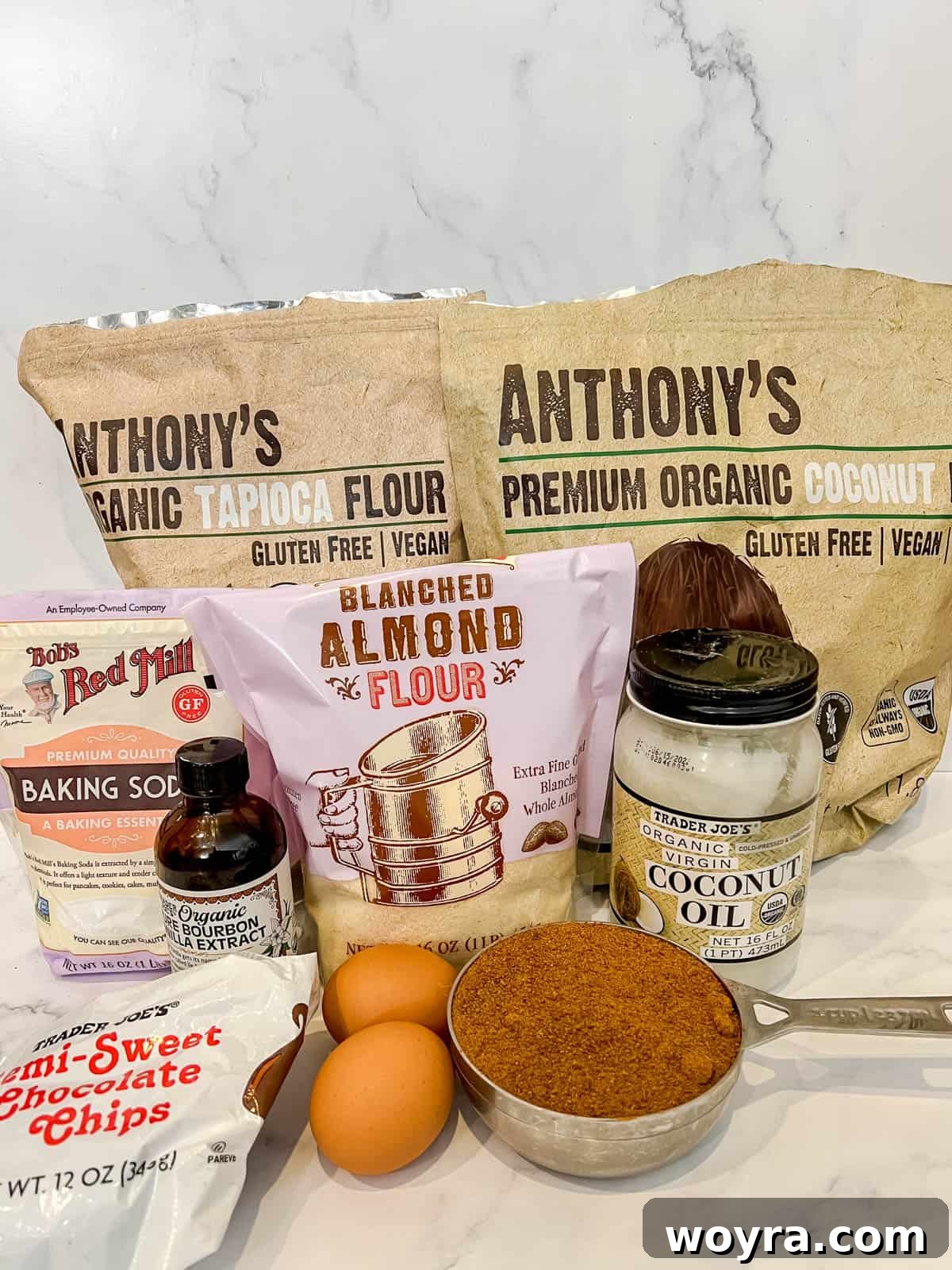
- Almond Flour: The cornerstone of this gluten-free recipe. For the best results and a smooth, consistent texture, always opt for blanched almond flour. This type of almond flour is made from skinless almonds, resulting in a finer grind and a less grainy finish compared to almond meal. It provides structure, moisture, and a delightful nutty flavor.
- Tapioca Flour: Also known as tapioca starch, this gluten-free flour is key for achieving that signature chewy texture in our cookie bars. It works in harmony with almond and coconut flours, contributing to a soft interior and slightly crisp edge without making the bars crumbly. It’s a fantastic binder and thickener.
- Coconut Flour: A highly absorbent gluten-free flour that adds a subtle sweetness and boosts the fiber content of the bars. Due to its high absorbency, a little goes a long way. It pairs wonderfully with tapioca and almond flours to create a balanced, moist, and tender crumb.
- Baking Soda: This leavening agent is essential for giving the cookie bars a slight rise and contributing to their soft texture. Ensure your baking soda is fresh for optimal effectiveness.
- Salt: A pinch of salt is crucial for enhancing the flavors of the chocolate and sweetness, creating a more complex and balanced taste profile.
- Olive Oil: In this dairy-free recipe, olive oil serves as an excellent butter replacement. It adds richness and moisture to the dough, contributing to the soft and tender texture of the baked bars. Choose a light-tasting olive oil for a neutral flavor, or use extra virgin if you prefer its subtle notes.
- Coconut Sugar: A natural, unrefined sweetener that makes these bars Paleo-friendly. Coconut sugar has a lower glycemic index compared to traditional granulated sugars, offering a caramel-like flavor that complements the chocolate beautifully. It contributes to both the sweetness and the chewy texture.
- Eggs: Eggs act as a vital binding agent in the batter, holding all the ingredients together and adding structure. Using one whole egg plus an additional egg yolk enhances richness and chewiness, mimicking the texture often found in classic cookie recipes.
- Vanilla Extract: A staple in most cookie recipes, vanilla extract deepens the overall flavor profile. You can use either vanilla extract with alcohol or an alcohol-free version, depending on your preference and dietary needs.
- Dairy-Free Chocolate Chips: The star of any chocolate chip cookie! To keep these bars dairy-free and Paleo-friendly, select high-quality dairy-free chocolate chips or chunks. Brands like Enjoy Life chocolate chips are a popular choice for their allergen-friendly qualities, while HU chocolate chips are specifically formulated to be Paleo-compliant. For an extra delightful texture, consider using a mixture of mini chocolate chips and larger chocolate chunks.
- Optional: Sea Salt Flakes: A sprinkle of flaky sea salt on top before baking enhances the chocolate flavor and adds a delightful textural contrast, elevating these bars to gourmet status.
For a detailed list of exact measurements, please refer to the comprehensive recipe card below.
Smart Additions & Substitutions for Your Cookie Bars
This recipe is quite versatile, allowing for a few smart swaps and additions to suit your pantry or dietary needs without compromising the delicious outcome. Here are some tested and approved alternatives:
- Tapioca Flour Alternatives: If tapioca flour isn’t available, arrowroot flour (also known as arrowroot powder) is an excellent 1:1 substitute. It offers similar binding and thickening properties, contributing to the desired chewy texture.
- Oil Options: While olive oil provides a neutral flavor and healthy fats, you can certainly use other oils. Avocado oil is another fantastic neutral-tasting option that works seamlessly in this recipe. Alternatively, coconut oil can be used for a slightly richer flavor profile. If using coconut oil, remember to measure it in its melted state to ensure accurate proportions, as it solidifies at room temperature.
- Sweetener Swaps: For those not strictly adhering to a Paleo diet, brown sugar can be used in place of coconut sugar. Brown sugar will impart a deeper, molasses-like flavor and contribute to a very moist, chewy bar. However, be aware that brown sugar is not Paleo-compliant. If you’re looking to reduce sugar further, some bakers have experimented with erythritol-based sweeteners, but this may alter the texture slightly.
- Nutty Additions: For an extra layer of flavor and texture, consider folding in a handful of chopped nuts like walnuts or pecans along with the chocolate chips. This will add a delightful crunch and a deeper nutty profile.
- Spice it Up: A pinch of cinnamon or a tiny dash of nutmeg can add warmth and complexity to the cookie bars, especially during the colder months.
Always remember that substitutions can slightly alter the final texture and flavor, but these recommended swaps have been tested to yield delicious results.
Easy Step-by-Step Instructions: Baking Your Perfect Bars
Baking these gluten-free chocolate chip cookie bars is a straightforward process. Follow these simple steps to ensure a batch of perfectly soft and chewy treats every time.
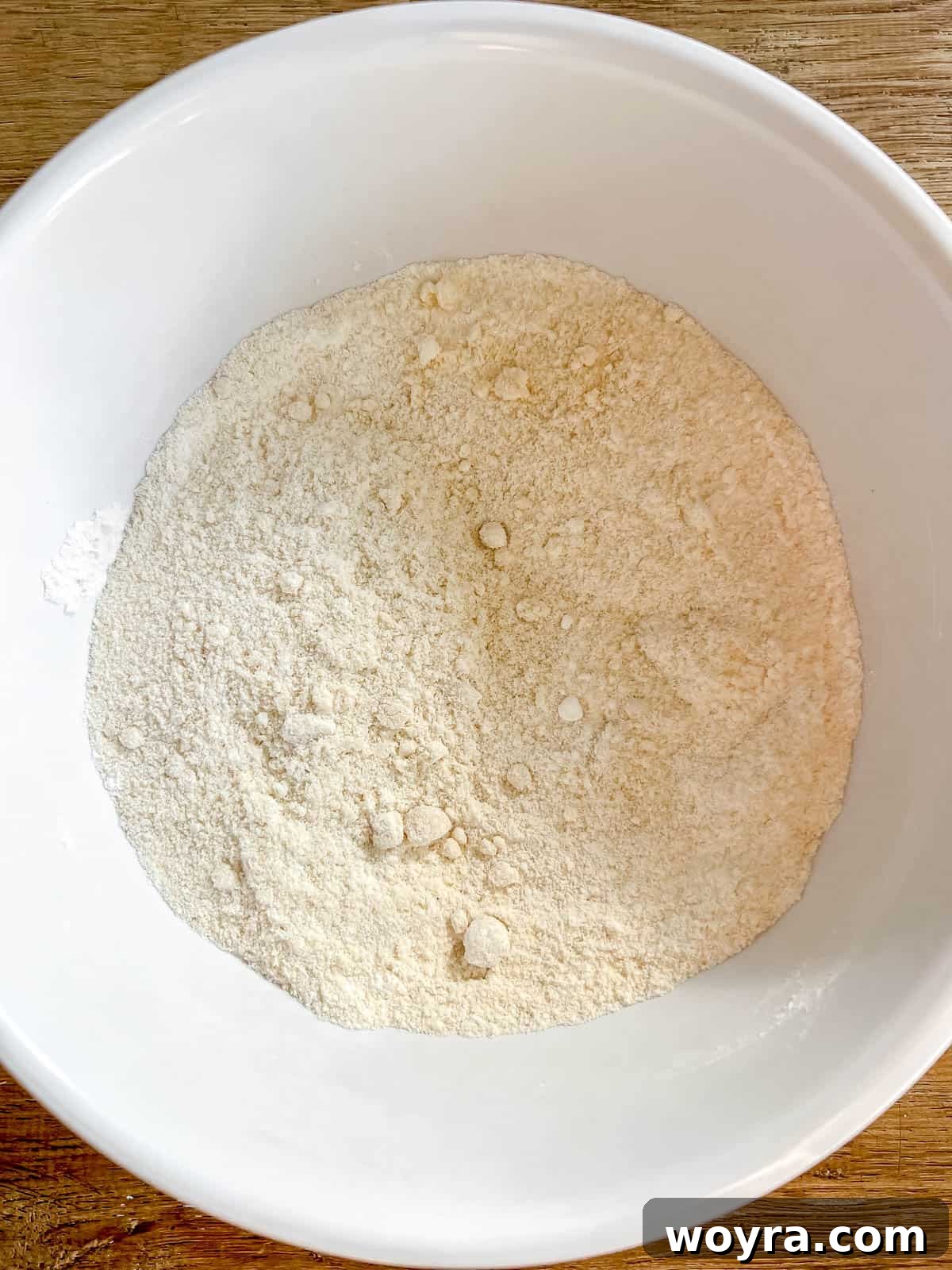
Step 1: Prepare Your Dry Ingredients. In a spacious mixing bowl, combine the almond flour, coconut flour, tapioca flour, baking soda, and salt. Use a fork to gently whisk these ingredients together until they are uniformly blended. This ensures that the leavening agent and salt are evenly distributed throughout the dough, promoting consistent texture and flavor. Set this bowl aside.
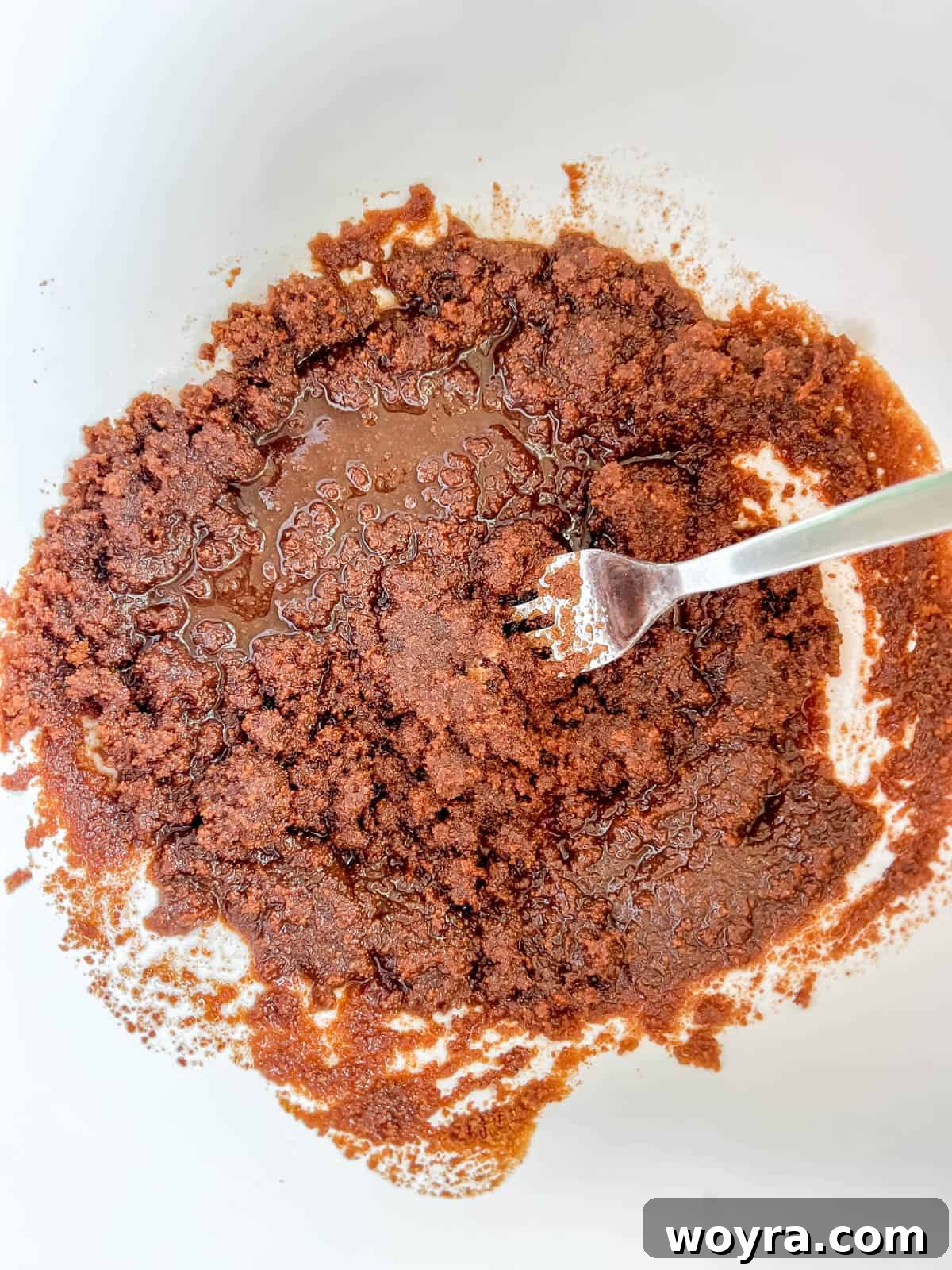
Step 2: Create the Wet Mixture. In a separate, medium-sized bowl, pour in the olive oil (or your chosen oil substitute) and add the coconut sugar. Whisk vigorously until the sugar is fully incorporated into the oil and the mixture appears smooth and well-combined. This step ensures the sweetener is evenly distributed, contributing to a consistent sweetness throughout the bars.
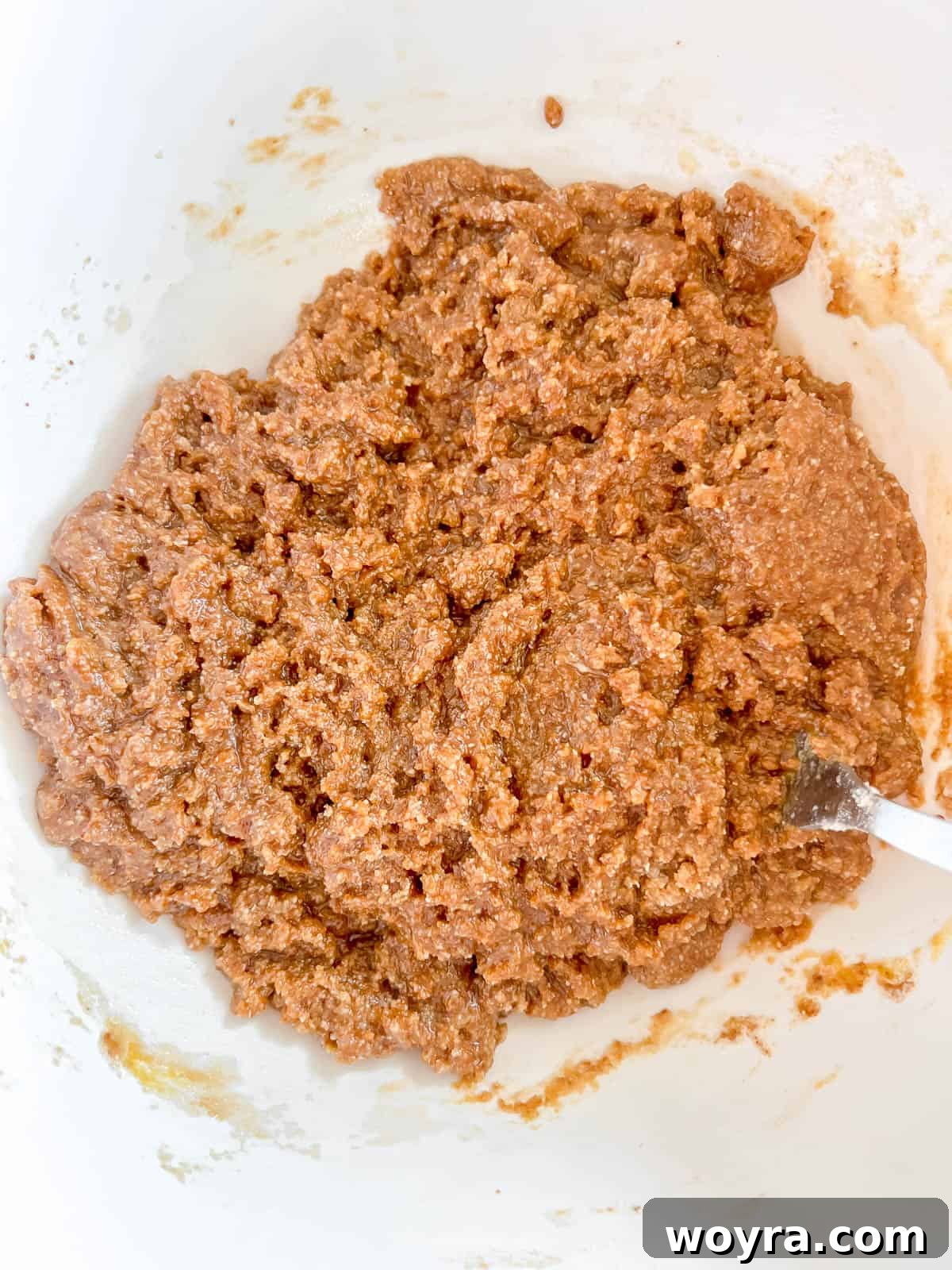
Step 3: Combine Wet and Dry Ingredients. To the oil and coconut sugar mixture, add the whole egg and the extra egg yolk. Whisk thoroughly until the mixture becomes light and creamy. Next, pour in the vanilla extract and whisk once more to incorporate its fragrant notes. Now, gradually add your prepared dry ingredients into the wet mixture. Use a fork or a rubber spatula to mix until just combined, being careful not to overmix. Overmixing can lead to tougher bars.
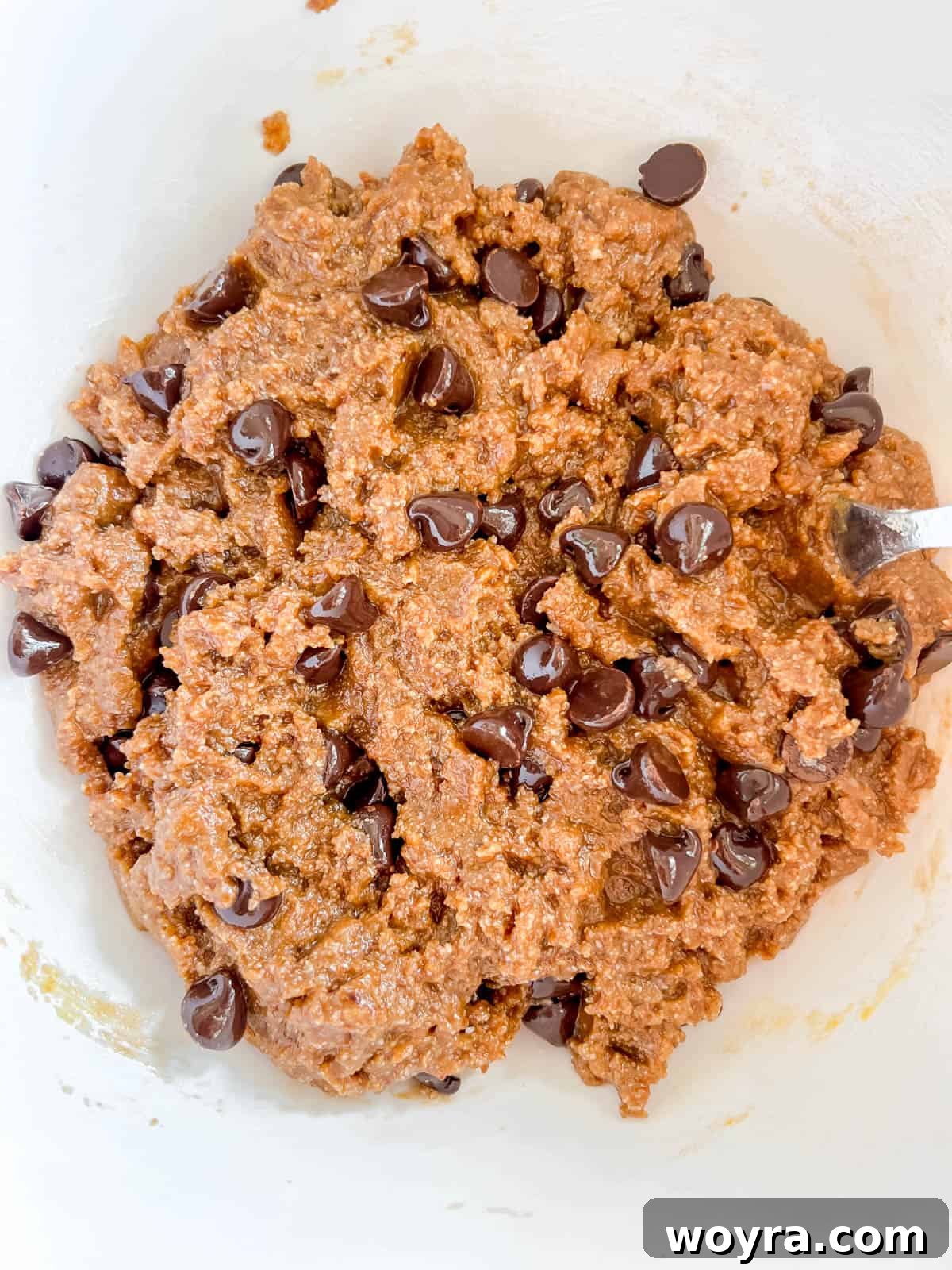
Step 4: Incorporate the Chocolate Chips. Once your dough is formed, it’s time for the best part – folding in the dairy-free chocolate chips. Use a rubber spatula to gently fold them into the dough until they are evenly distributed. I find that a combination of mini chocolate chips and larger chocolate chunks provides a wonderful variety of chocolatey bursts in every bite, but feel free to use your favorite type of dairy-free chocolate.
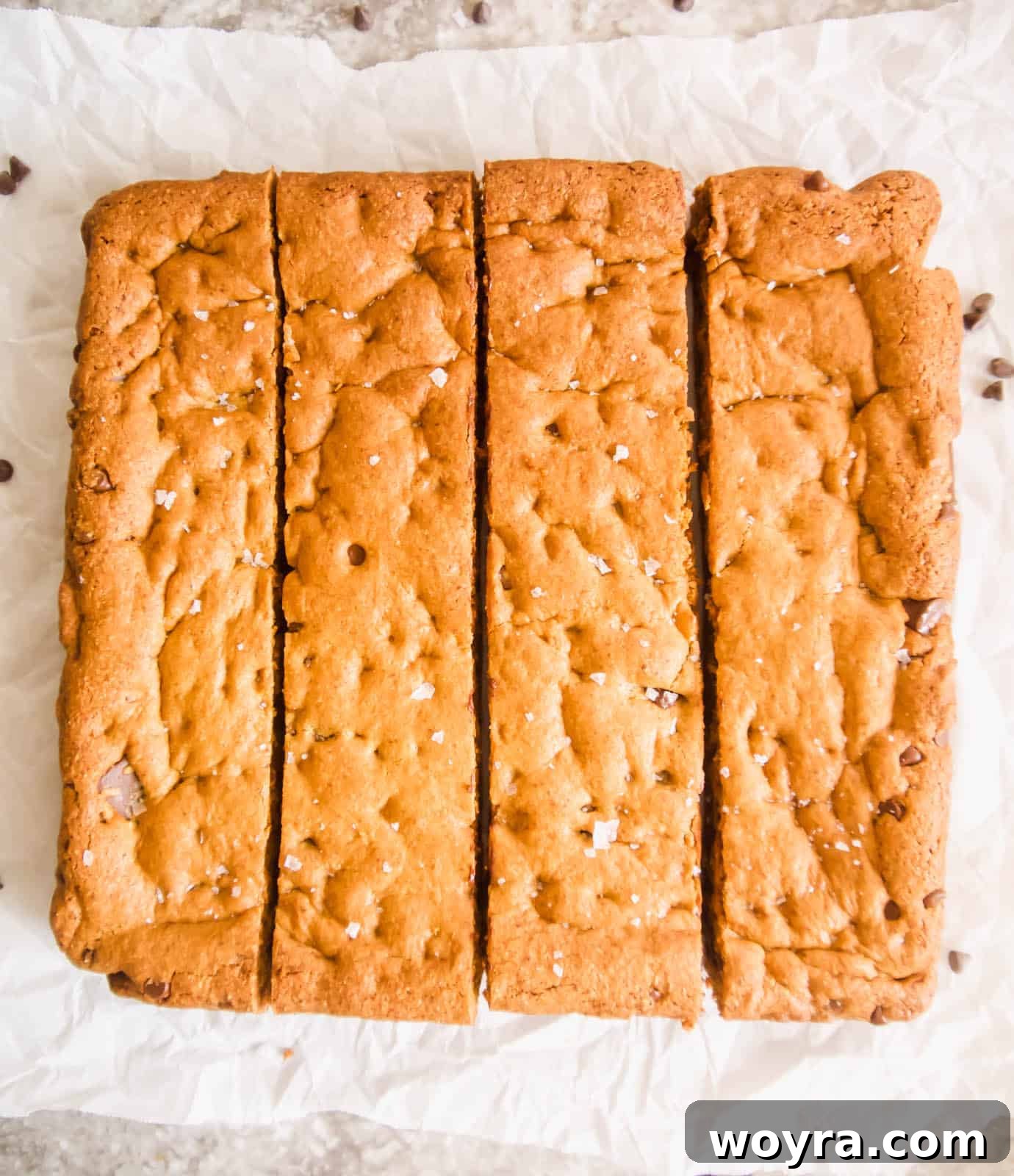
Step 5: Bake to Perfection. Preheat your oven to 350°F (175°C) and line a 9×9-inch square baking pan with parchment paper, leaving an overhang on two sides for easy removal later. Press the prepared cookie dough evenly into the lined baking pan. Use a rubber spatula or the back of a spoon to ensure a smooth and consistent layer. Bake for approximately 30 minutes, or until the edges are lightly golden brown and a toothpick inserted into the center comes out clean. Baking times may vary slightly depending on your oven.
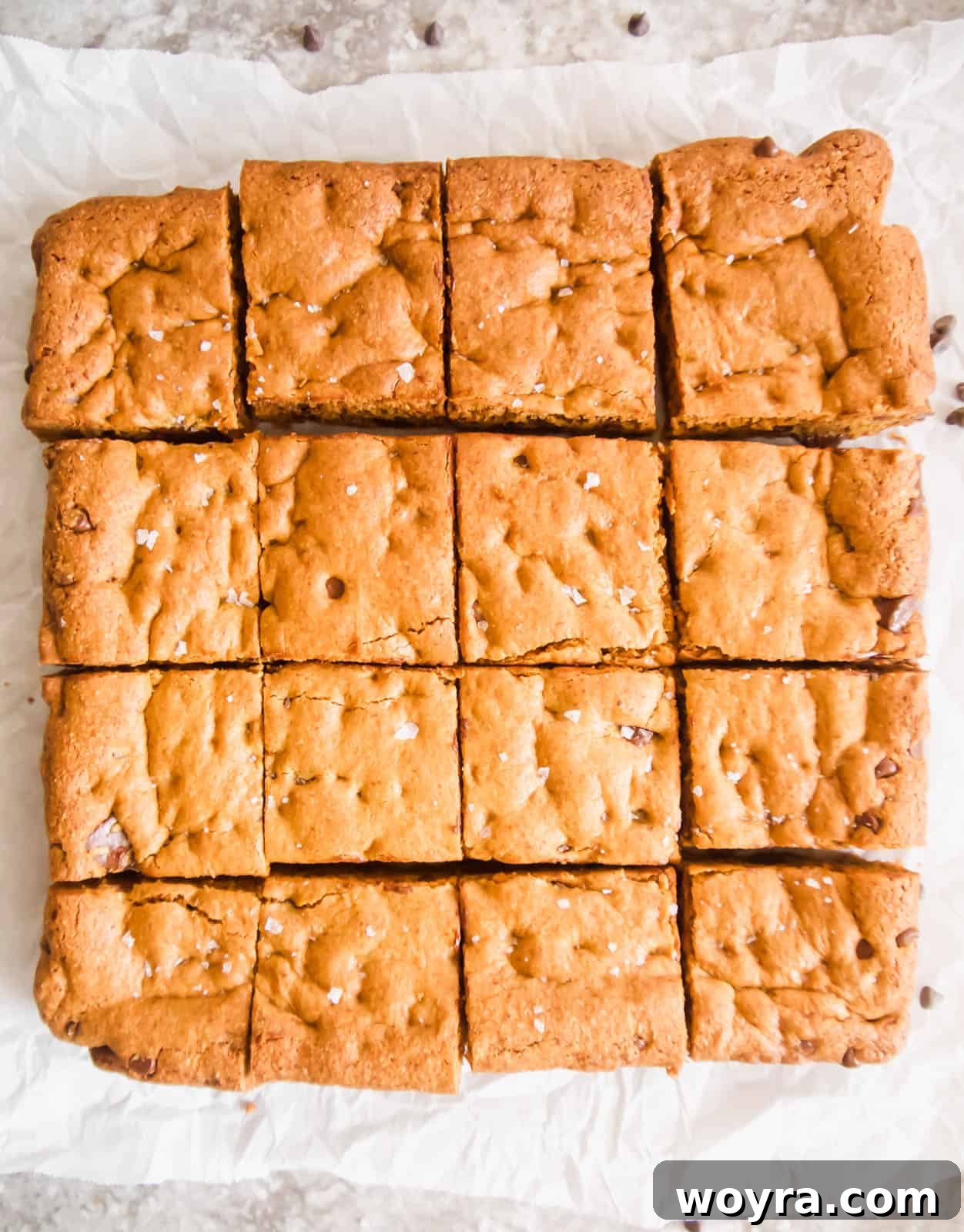
Step 6: Cool and Serve. Once baked, remove the pan from the oven and place it on a wire rack to cool completely for about an hour. Cooling is crucial for the bars to set properly and achieve their desired chewy texture. Once cooled, use the parchment paper overhang to lift the entire slab of cookie bars out of the pan. Place them on a cutting board and slice into 16 uniform squares. If you’re eager to enjoy them warm, you can cut them after about 15-20 minutes of cooling, though they will be softer and more crumbly. Serve and enjoy!
Expert Baking Tips & Recipe FAQs
Here are answers to some common questions and essential tips to help you master these gluten-free chocolate chip cookie bars:
No, you don’t have to stick strictly to olive oil, although it works wonderfully for a neutral flavor. You can certainly use other healthy fats such as avocado oil, which is also very neutral and provides good moisture. If you opt for coconut oil, be aware that it will impart a subtle coconut flavor to your cookie bars, which some people enjoy. Just make sure to measure coconut oil in its melted state for accuracy.
When substituting with coconut oil, it is crucial to measure it in its melted, liquid state. To do this, simply scoop a spoonful of solid coconut oil into a microwave-safe bowl and microwave it briefly until it fully melts. Then, pour the melted coconut oil into your measuring cup to get the precise amount required by the recipe. This ensures consistency in your batter.
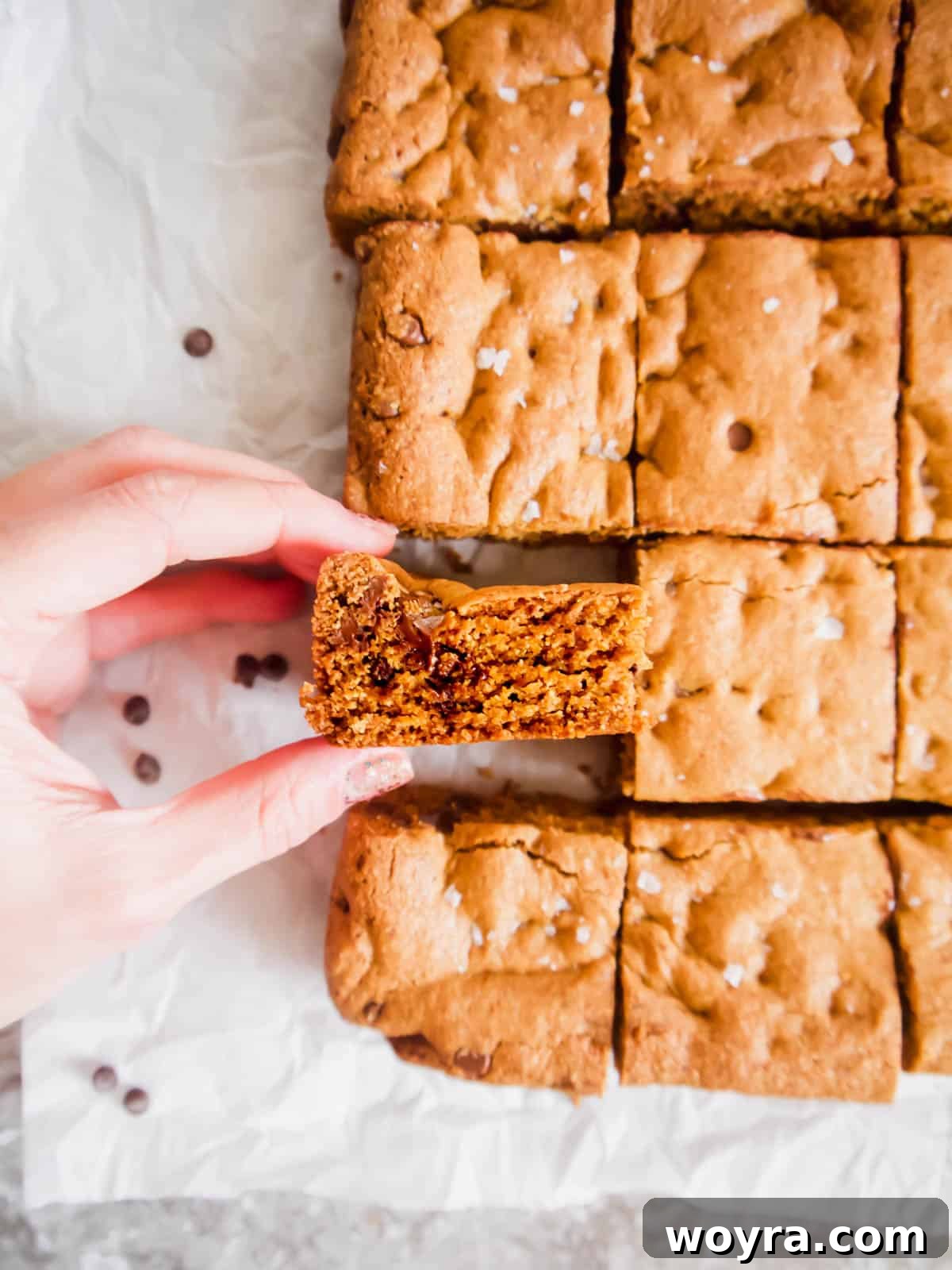
To keep these gluten-free chocolate chip cookie bars fresh and delicious, store them in an airtight container at room temperature. They will maintain their quality and flavor for up to a week. If you want to extend their shelf life, you can also freeze them in an airtight container for up to 3 months. Just thaw them at room temperature before enjoying.
Absolutely! These cookie bars are an excellent make-ahead dessert. You can bake them a day or two in advance and store them as described above. The flavors often meld even more after a day, making them perhaps even more delicious! If freezing, bake, cool completely, slice, and then freeze the individual bars. They’ll be ready to grab and go.
Crumbly cookie bars can sometimes be a result of too much flour, not enough fat, or overbaking. Ensure you’re measuring your flours accurately, preferably by weight if possible, or using the ‘spoon and level’ method rather than scooping directly. Also, verify that your oven temperature is accurate and try reducing the baking time by a few minutes. Proper cooling is also important to let the bars set and firm up.
More Irresistible Cookie Recipes You’ll Love
If you’re a fan of these gluten-free chocolate chip cookie bars, you’re in for a treat! Here are some other cherished cookie recipes from the blog that I’m sure will capture your heart and taste buds:
- Paleo Coconut Oil Soft Chocolate Chip Cookies: For all the aficionados of ultra-soft, delightfully gooey, and melty chocolate chip cookies, this recipe is a must-try. These cookies are incredibly tender with pockets of warm, melted chocolate, offering an unparalleled indulgence that feels truly decadent.
- Edible Eggless Chocolate Chip Cookie Dough (Paleo, GF, Vegan): If your weakness is raw cookie dough, this recipe is a dream come true! This edible dough is ridiculously good, made with wholesome ingredients, and safe to eat straight from the bowl. What’s more, you can also use this versatile vegan dough to bake up a batch of delicious cookies, offering a dual-purpose treat!
- The BEST Gooey Paleo Chocolate Chip Cookies: This is an absolute classic and an “oldie but a goodie” from the blog archives. If you’re seeking a cookie that delivers on maximum gooeyness and a super soft, chewy bite, look no further. These cookies truly live up to their name, providing that comforting, homemade goodness you crave.
Did you try this recipe? Please leave me a ⭐ review below! Your feedback helps me create more delicious recipes for you.
⭐
⭐
⭐
⭐
Gluten-Free Chocolate Chip Cookie Bars (Paleo)
Dominique
16
bars
10
30
1
40
Share by Email
Print Recipe
Ingredients
- 1 ¼ cups blanched almond flour
- 2/3 cup tapioca flour
- 1/3 cup coconut flour
- 1 tsp baking soda
- 1/2 tsp salt
- 3/4 cup olive oil, (or coconut oil measured in its melted state, or avocado oil)
- 1 cup coconut sugar
- 1 large egg plus 1 large egg yolk
- 2 tsps vanilla extract
- 1 cup dairy-free chocolate chips, (I used ½ cup mini chocolate chips and ½ cup chocolate chunks for variety)
- optional: sea salt to sprinkle on top
Instructions
-
Preheat your oven to 350°F (175°C). Line a 9×9-inch square baking pan with parchment paper, leaving enough overhang on two sides to easily lift the bars out later. Set this prepared pan aside.
-
In a large mixing bowl, combine the almond flour, tapioca flour, coconut flour, baking soda, and salt. Use a fork to mix these dry ingredients together thoroughly until they are well blended. This ensures even distribution of the leavening agent. Set aside.
-
In a separate large bowl, whisk together the olive oil (or chosen substitute) and coconut sugar until smooth and well combined. Then, add the large egg and the extra egg yolk, whisking vigorously until the mixture becomes light and creamy. Finally, incorporate the vanilla extract and whisk again until fully blended.
-
Pour the dry ingredient mixture into the wet ingredients bowl. Using a fork or rubber spatula, mix until just combined and a soft cookie dough forms. Be careful not to overmix, as this can lead to a tougher texture. Gently fold in the dairy-free chocolate chips until they are evenly distributed throughout the dough. I love using a mixture of chocolate chunks and mini chocolate chips for varying textures in each bite.
-
Transfer the cookie dough into the prepared baking pan. Use a rubber spatula or the back of a spoon to evenly press and smooth the dough into a consistent layer across the entire pan. If desired, sprinkle with optional flaky sea salt now.
-
Bake for 30 minutes, or until the edges are lightly golden brown and a toothpick inserted into the center comes out clean. Keep an eye on the bars as oven temperatures can vary.
-
Once baked, remove the pan from the oven and place it on a wire rack to cool completely for approximately one hour. This cooling period is essential for the bars to set and achieve their optimal chewy texture. Once cooled, use the parchment paper overhang to carefully lift the entire slab of cookie bars out of the pan.
-
Transfer the cooled bars to a cutting board and cut them into 16 even squares. If you’re eager to enjoy them warm, you can cut them after about 15-20 minutes of cooling, but note they will be softer and more delicate.
-
Store any leftover cookie bars in an airtight container at room temperature for up to one week. They also freeze beautifully for longer storage!
Notes
- Tapioca Flour Alternative: You can use arrowroot flour as a 1:1 substitute for tapioca flour.
- Oil Substitutions: Instead of olive oil, feel free to use avocado oil for a neutral flavor, or coconut oil. If using coconut oil, ensure you measure it in its melted state.
- Sweetener Options: Brown sugar can be used as a substitute for coconut sugar if you’re not strictly following a Paleo diet. Keep in mind that brown sugar is not Paleo-compliant.
Nutrition
Calories: 261kcal
Carbohydrates: 23g
Protein: 3g
Fat: 19g
Saturated Fat: 4g
Polyunsaturated Fat: 1g
Monounsaturated Fat: 7g
Trans Fat: 0.001g
Cholesterol: 10mg
Sodium: 170mg
Potassium: 6mg
Fiber: 3g
Sugar: 12g
Vitamin A: 15IU
Calcium: 35mg
Iron: 1mg
Nutrition information is automatically calculated and should be used as an approximation only.
Additional Info
Tried this recipe?
Mention @perchancetocook or tag #perchancetocook!