

Embarking on my first Whole30 journey, followed by the meticulous reintroduction period, proved to be an utterly transformative and profoundly fascinating experience. It was a much-needed life refresh, revealing insights into my habits, body, and mindset that I hadn’t anticipated. From the initial struggle with ingrained sugar cravings and emotional eating patterns to witnessing their gradual disappearance, this program offered a renewed perspective on what true health means. The disciplined 30 days served as a powerful reset, allowing me to strip away the distractions of processed foods, refined sugars, and inflammatory agents, providing a clean slate for my body and mind.
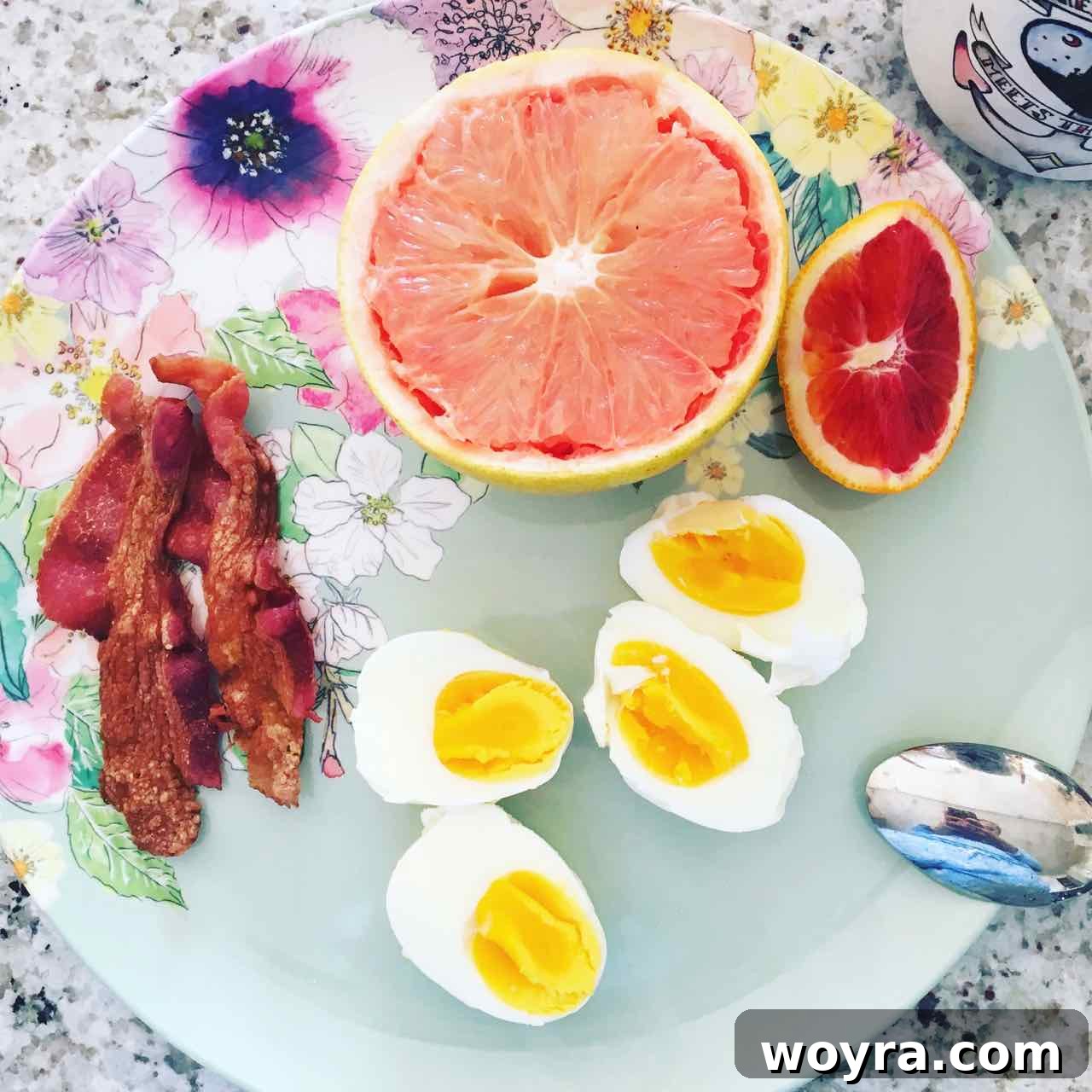
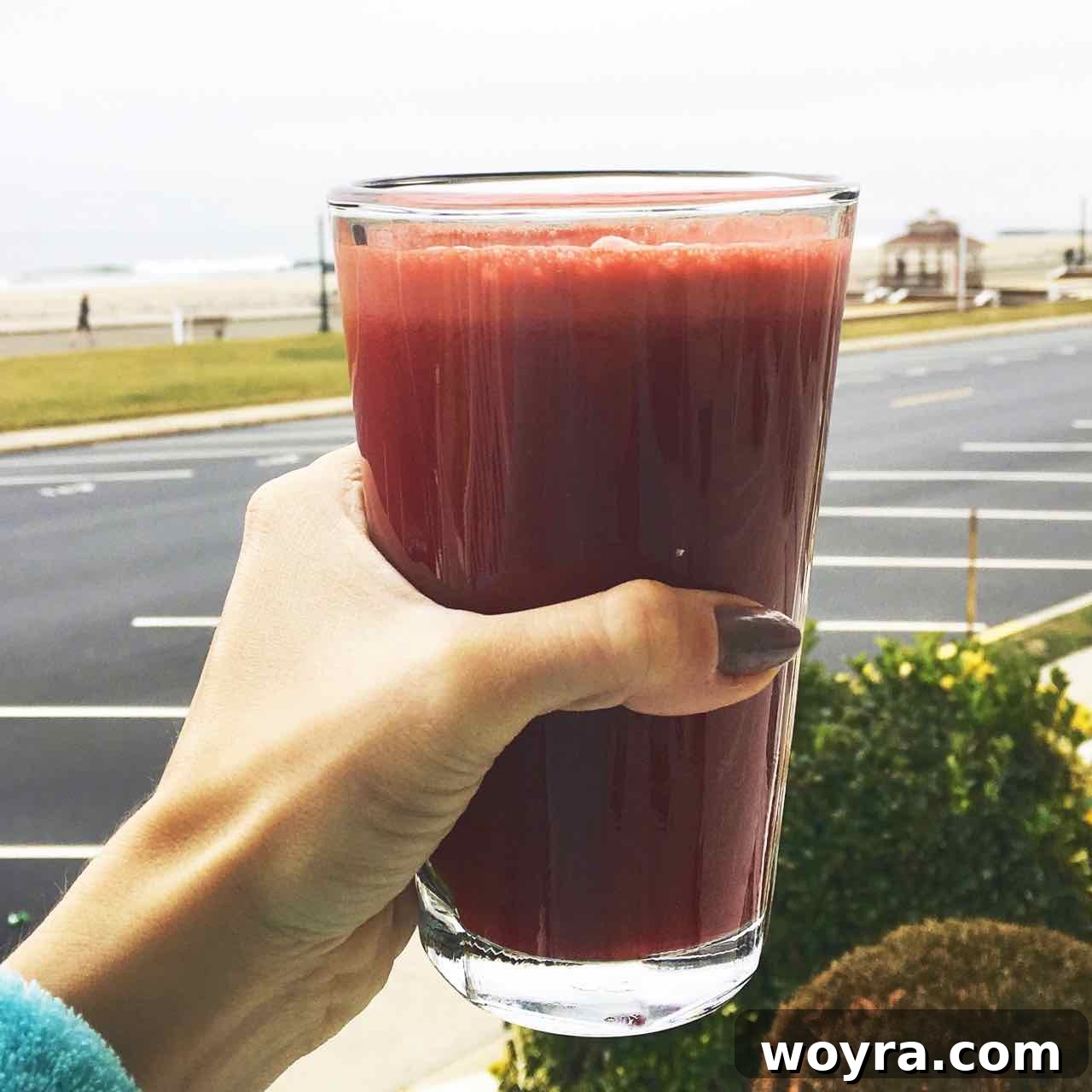
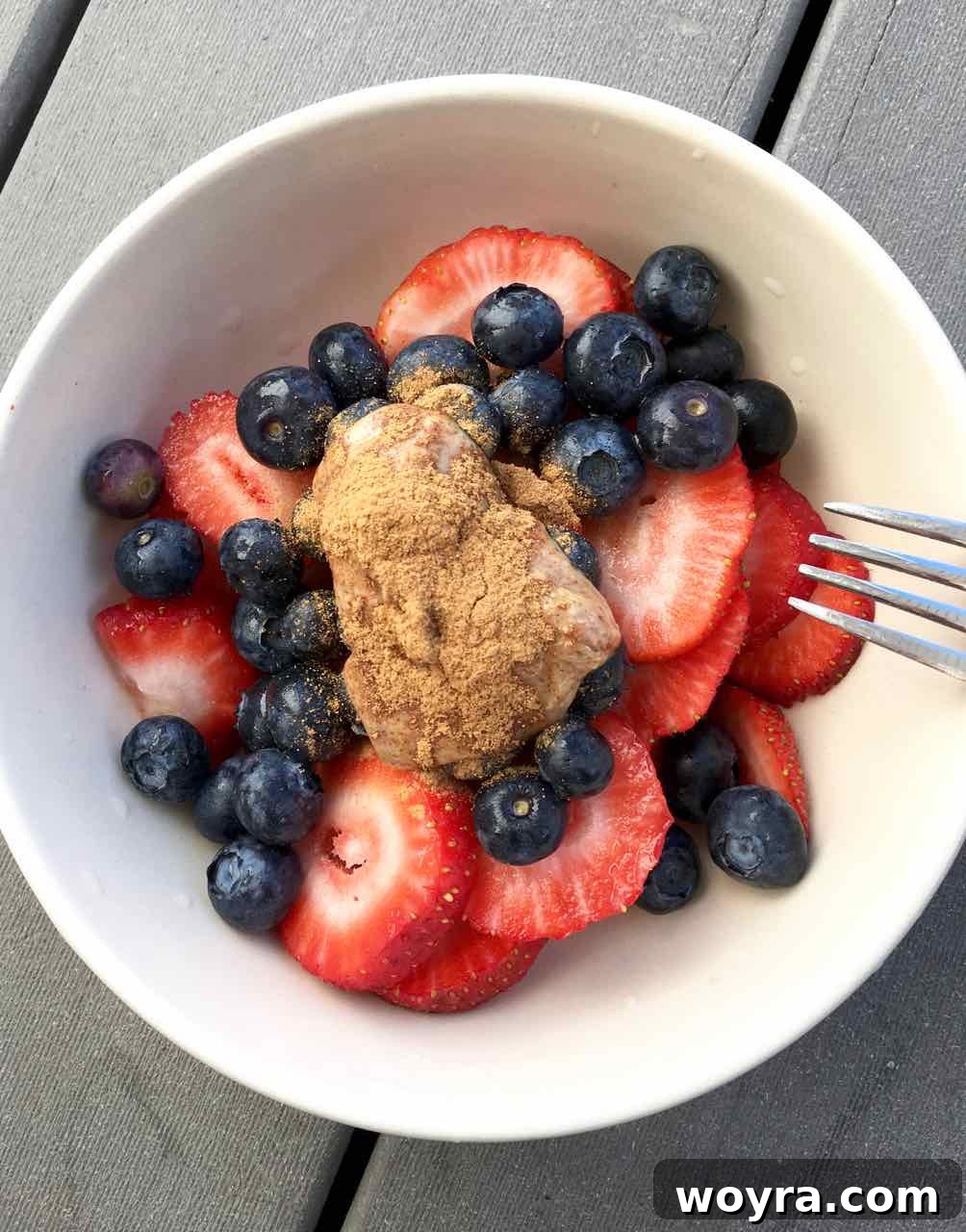
The journey naturally prompted a significant amount of self-reflection. Giving my body a deliberate break from unhealthy processed foods, excessive sugar, alcohol, and artificial preservatives sparked a profound internal dialogue. This period of introspection led to a wealth of observations, notes, and photographs, which I’m eager to share in this comprehensive post. All the images you’ll see here showcase the nourishing foods I enjoyed throughout the program, alongside a few revealing before-and-after snapshots that illustrate the visible changes.
To be entirely honest, I began the Whole30 with modest expectations. I’ve always considered myself health-conscious, maintaining fairly consistent healthy eating habits and regular exercise. My weight typically fluctuated within a comfortable five to ten-pound range. I thought I knew my body well and that any significant revelations would be minimal.
However, the Whole30 revealed a crucial distinction that reshaped my entire perspective. I realized there’s a spectrum of understanding health: “wanting to be healthy,” “needing to be healthy,” and “deserving to be healthy.” Previously, my motivation often stemmed from the “want” or “need” categories – wanting to fit into certain clothes or needing to feel better after a period of indulgence. But through this program, a profound shift occurred, and I truly began to understand and internalize that I ABSOLUTELY DESERVE to be healthy.
This powerful realization became a core tenet: I deserve to feel incredible because of the food I eat. I deserve to consciously choose the most nourishing foods for my body, and I deserve to treat my body with the utmost respect and care. This fundamental mindset change was nothing short of a game-changer, influencing not just my dietary choices but also my approach to exercise and overall self-care. It transformed health from a chore into an act of self-love.
Understanding the Whole30 Program
At its core, the Whole30 is a 30-day nutritional reset designed to help you identify how certain foods affect your body. The premise is simple yet powerful: for 30 consecutive days, you eliminate potentially problematic food groups, focusing entirely on whole, unprocessed foods. This means rigorously cutting out grains (including gluten-free options), legumes, all forms of sugar (both added and natural sweeteners like maple syrup or honey), alcohol, dairy, processed foods of any kind, and all baked goods or junk food – regardless of whether they are marketed as “Paleo” or “healthy” alternatives. This strict elimination phase is crucial for giving your digestive system a complete break and allowing your body to heal.
I won’t sugarcoat it; there were moments when adhering to these guidelines felt incredibly challenging. The initial days, particularly, can test your resolve as your body adjusts to the absence of its usual comforts.
However, if you intentionally shift your focus from what you *can’t* have to the vast array of delicious and nutritious foods you *can* enjoy, the experience becomes much more empowering. This positive mindset is incredibly potent. The program encourages an abundance of high-quality meats, fresh seafood, eggs, a wide variety of fruits and vegetables, nuts, seeds, and healthy fats from oils. And yes, for those wondering, both regular potatoes and sweet potatoes are fully compliant, offering versatile and satisfying options.
For those eager to delve deeper into the specific rules and a comprehensive list of what is and isn’t allowed, the official Whole30 website is an invaluable resource. I highly recommend checking out their “Whole30 Step Two” guide and “The Official Can I Have Guide To The Whole30” for detailed clarity and guidance on navigating the program’s parameters.
One of the most impactful rules of the Whole30, and one that deeply resonated with my personal philosophy, is the prohibition against weighing or measuring yourself during the 30-day period. This rule underscores a fundamental truth: true health extends far beyond a number on a scale. It acknowledges that body composition, muscle mass, and overall well-being are far more indicative of health than mere weight. For instance, someone who lifts weights regularly or naturally has more muscle tissue will inherently weigh more, even if they possess a lean physique. This insight is something I embraced long ago, and it’s precisely why I haven’t weighed myself in years, choosing instead to focus on how my body feels and performs.

My Core Motivations for Embracing Whole30
My decision to undertake the Whole30 was driven by two primary, yet interconnected, reasons, each highlighting a specific need in my personal health journey.
1) My first motivation stemmed from a desire to recalibrate my eating habits and firmly get back on track with a nutritious diet. In the eight months following my wedding, I had admittedly slackened in my commitment to maintaining the healthy routines I once cherished. My husband and I had previously adhered to a strict 80/20 Paleo lifestyle, meaning we ate Paleo 80% of the time and allowed for occasional indulgences. However, as the holidays approached, this ratio regrettably slid to a less disciplined 60/40. The culmination was a two-week period over Christmas where all dietary guidelines were cast aside. Compounding this, I found myself plagued by illness for the entire month of December, feeling consistently run down and frankly, terrible. I desperately needed a reset to regain my energy and sense of well-being.
2) My second, equally compelling reason was a profound curiosity about how my body specifically reacted to different food groups. While I had embraced Paleo eating due to my husband’s health issues – a lifestyle I genuinely love and continue to follow – I had never participated in a true elimination diet that included a structured reintroduction phase. This meant I hadn’t had the opportunity to systematically observe my body’s individual responses to specific foods once they were reintroduced. The Whole30 offered the perfect framework for this vital self-experimentation, promising to reveal invaluable insights into my unique dietary sensitivities and optimal nutritional choices.



Essential Whole30 Starter Tips for Success
Embarking on a Whole30 can feel daunting, but with a few strategic tips, the journey becomes much more manageable and enjoyable. Here’s what I learned that made a significant difference:
1) **Grocery Shopping & Budgeting:** A common misconception is that eating Whole30 compliant food is prohibitively expensive. In my experience, for my husband and me, weekly grocery bills typically ranged from $200-$220. While this might seem comparable to or slightly higher than our usual spending, it’s essential to consider the hidden savings. By eliminating dining out, take-away coffee, and especially alcohol from our budget, we found that we actually saved money overall. An unexpected bonus was how much easier grocery shopping became. Since so many aisles are off-limits (think processed snacks, sugary cereals, and baked goods), you can literally skip half the store, making your trips more efficient and less tempting.
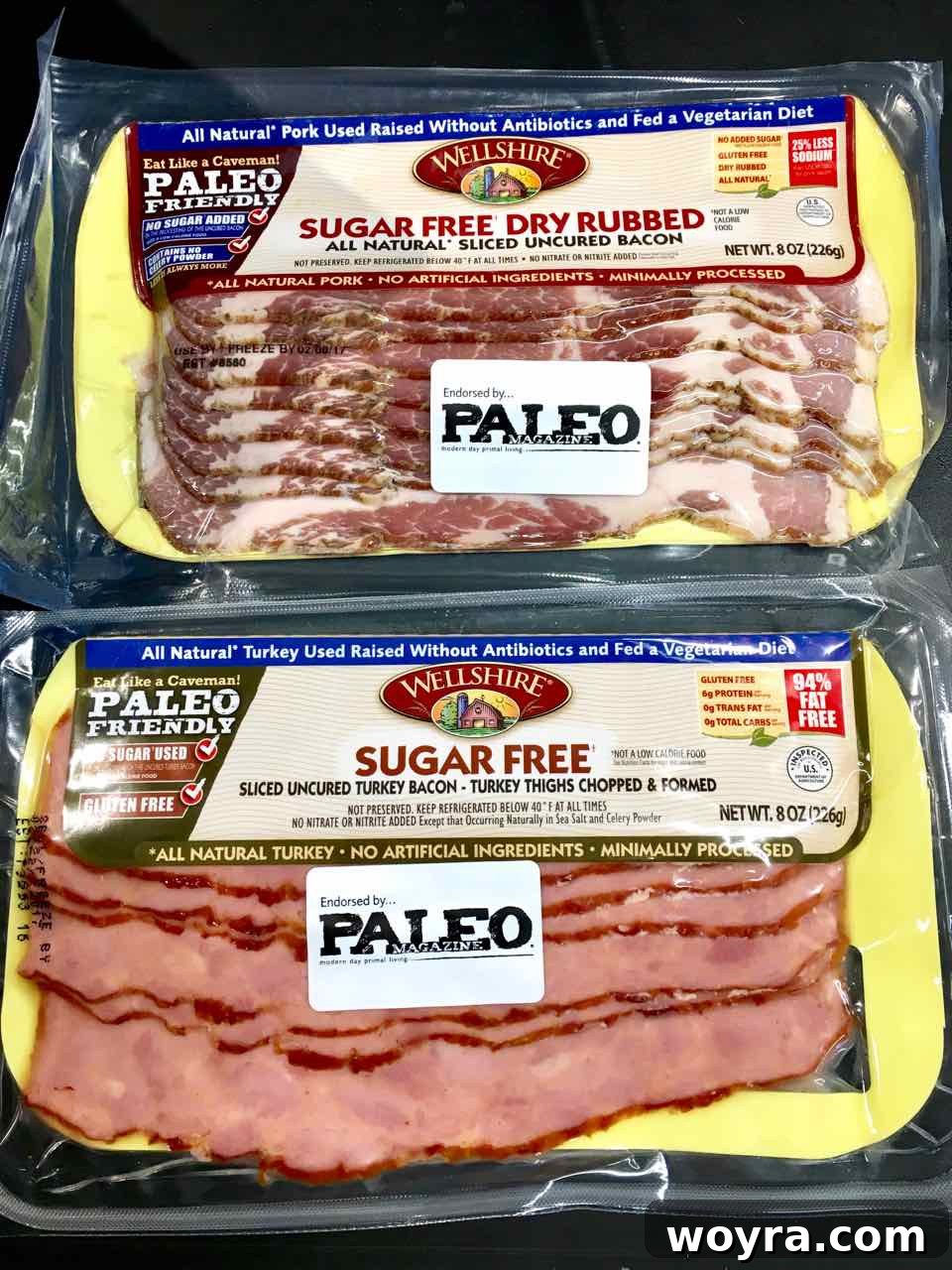
2) **Vigilant Label Reading:** This tip cannot be stressed enough. Many products that appear “healthy” or “all-natural” at first glance often contain hidden non-compliant ingredients. For example, that “all natural bacon” you’re eyeing? It very likely has added sugar. It’s surprisingly challenging to find bacon without this sneaky ingredient. Always, always scrutinize the ingredient list thoroughly.
- Pederson’s Natural Farms and Wellshire Farms were our trusted go-to brands for compliant bacon throughout our Whole30, consistently delivering quality and peace of mind.
- Additionally, US Wellness Meats offers a fantastic selection of Whole30 approved meats, ensuring you have plenty of wholesome options.
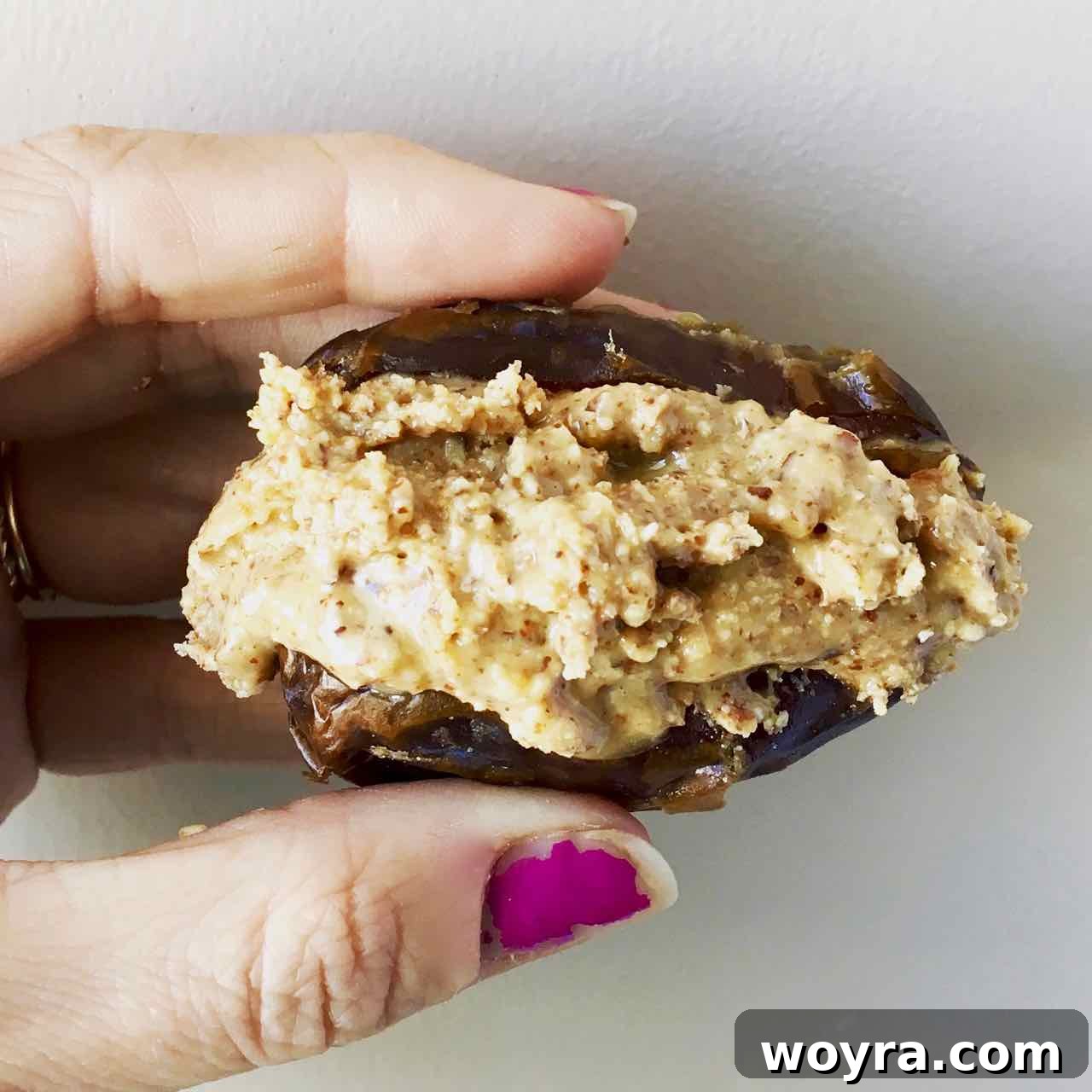
3) **Stock Up on Fruits and Veggies:** These naturally compliant foods will become your best friends, especially when hunger strikes between meals. Buying them in bulk not only saves money but also ensures you always have healthy, satisfying snack options readily available. A personal favorite discovery for a sweet treat that squashed cravings was combining dates with a dollop of almond butter – pure deliciousness!

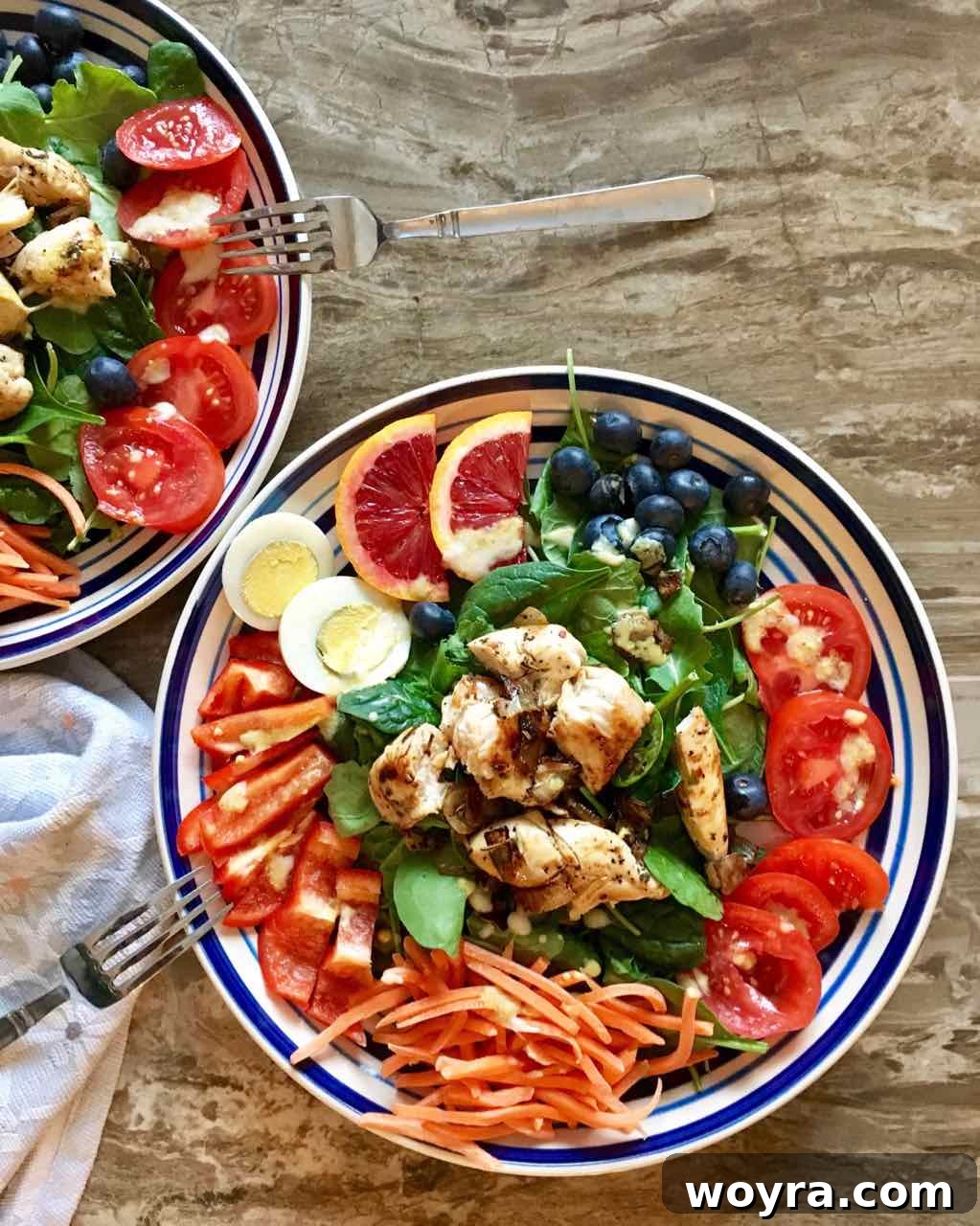
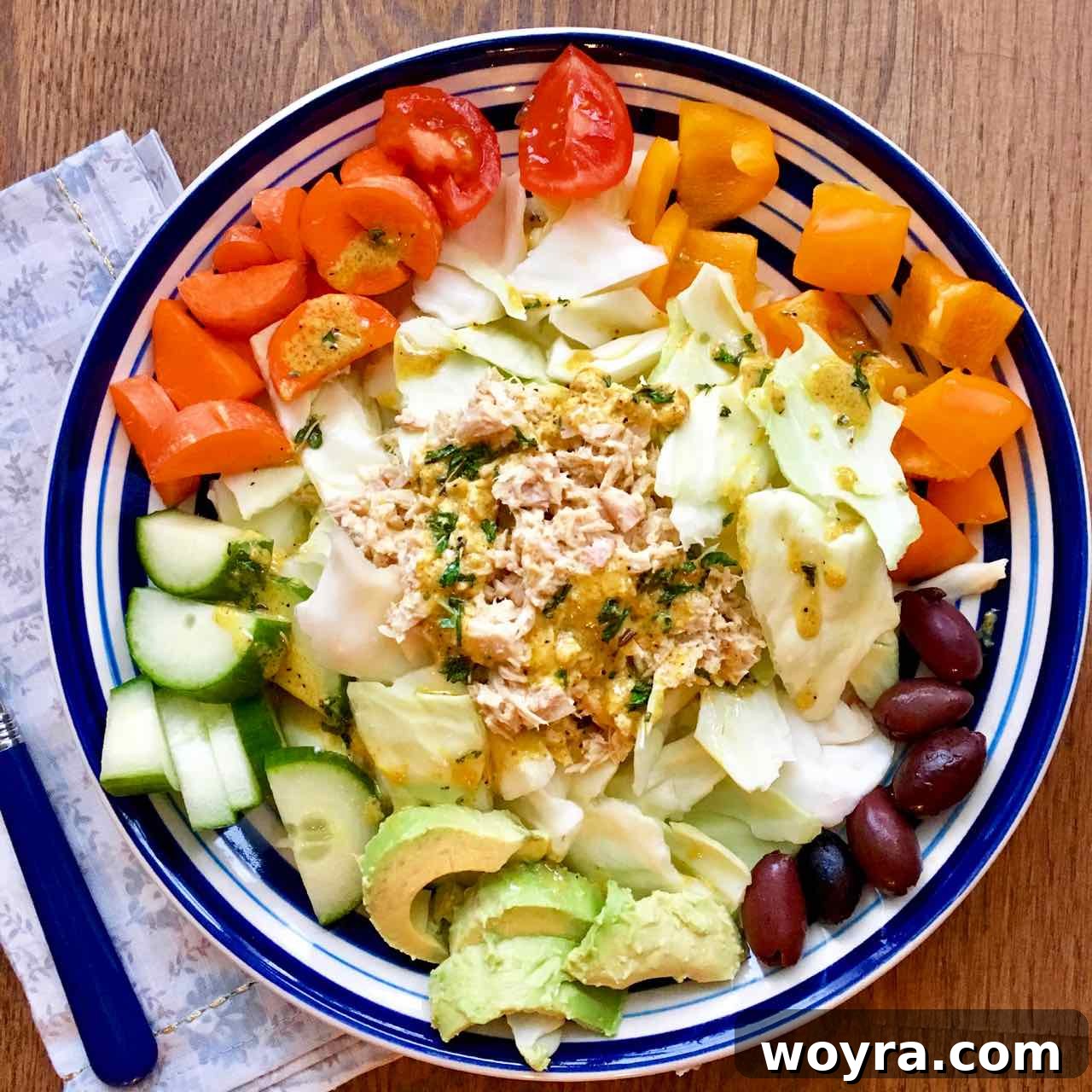
4) **Strategic Meal Prepping:** While many Whole30 veterans swear by extensive Sunday meal prep, I found a different strategy worked best for my lifestyle. Instead of dedicating a whole day, I preferred to simply double the portion size of our dinners each night. This ensured we always had delicious, compliant leftovers ready for lunch the following day, eliminating the stress of figuring out a separate midday meal and making weekday eating effortless.
5) **Embrace the Power of Spices:** When you’re cutting out so many typical flavor enhancers, spices become absolutely indispensable. The more vibrant and varied the flavors in your meals, the more satisfied and less deprived you’ll feel. Don’t be shy with your cinnamon, fennel seeds, paprika, chili powder, and black pepper. Experimenting with different blends and aromatics will elevate your Whole30 cooking and make every meal an exciting culinary adventure.
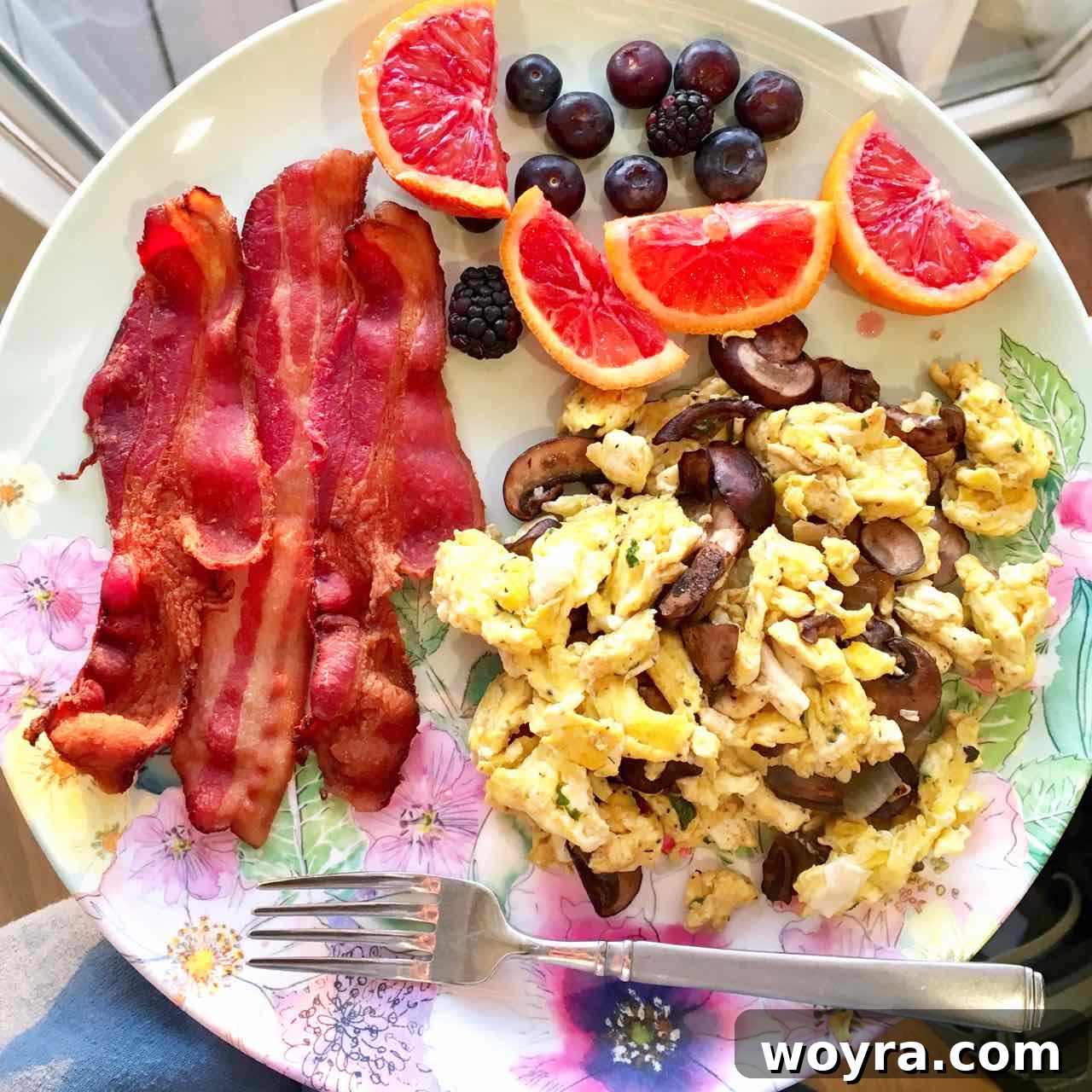
- A standout discovery for me was adding a generous sprinkle of dried minced garlic and fresh parsley to scrambled eggs. It transformed a simple breakfast into an incredibly flavorful and satisfying meal – truly my best egg hack!
6) **Tackling Breakfast Challenges:** Breakfast, surprisingly, was often the toughest meal for me. Eating eggs almost every single day, while certainly nutritious, can become monotonous. Moreover, I’m not a fan of starting my day with a meal that feels more like lunch or dinner. To combat this, I found that incorporating a variety of fruits, or adding compliant bacon or homemade sausage to my plate, helped immensely in diversifying the morning routine and keeping things interesting.
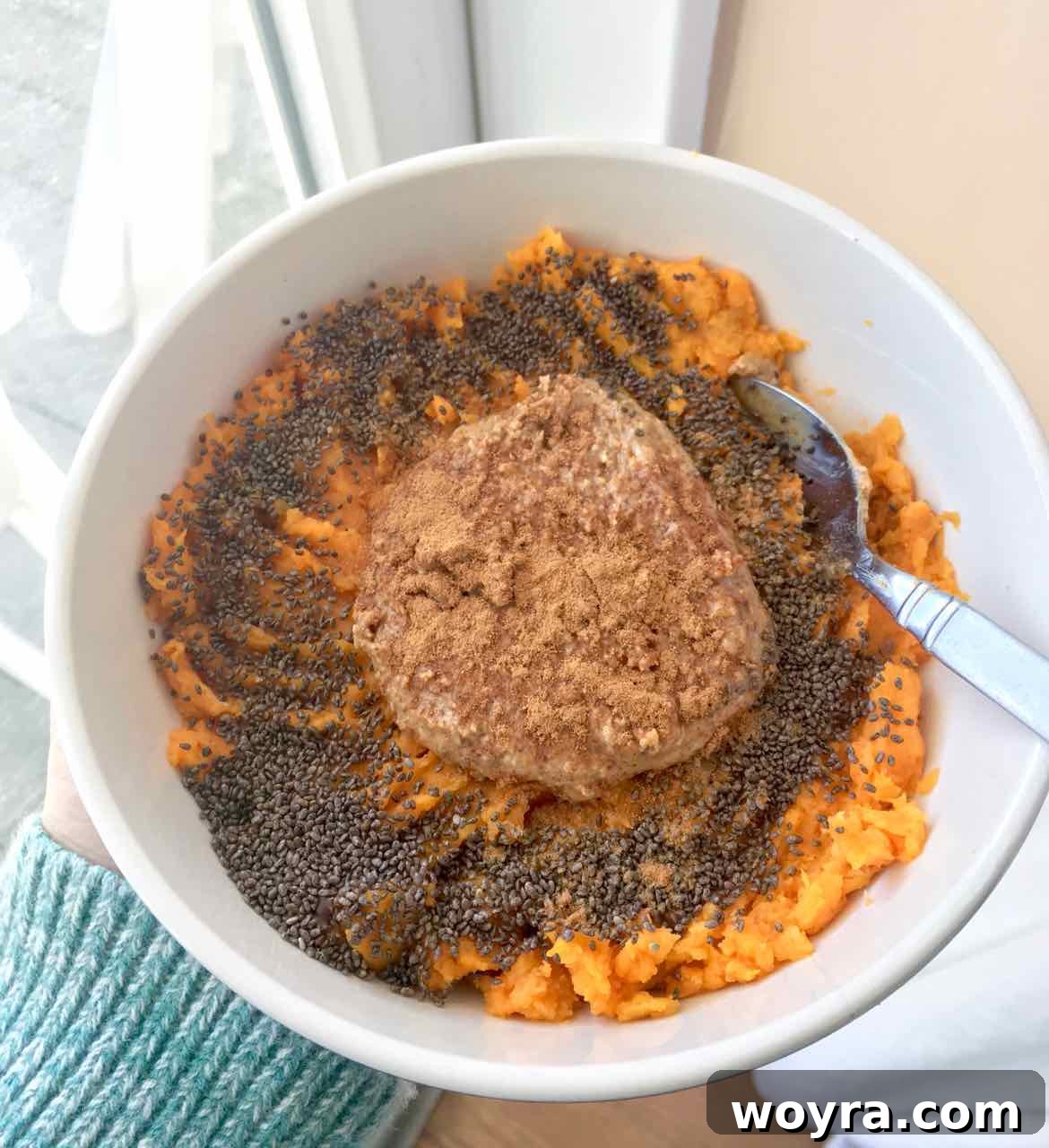
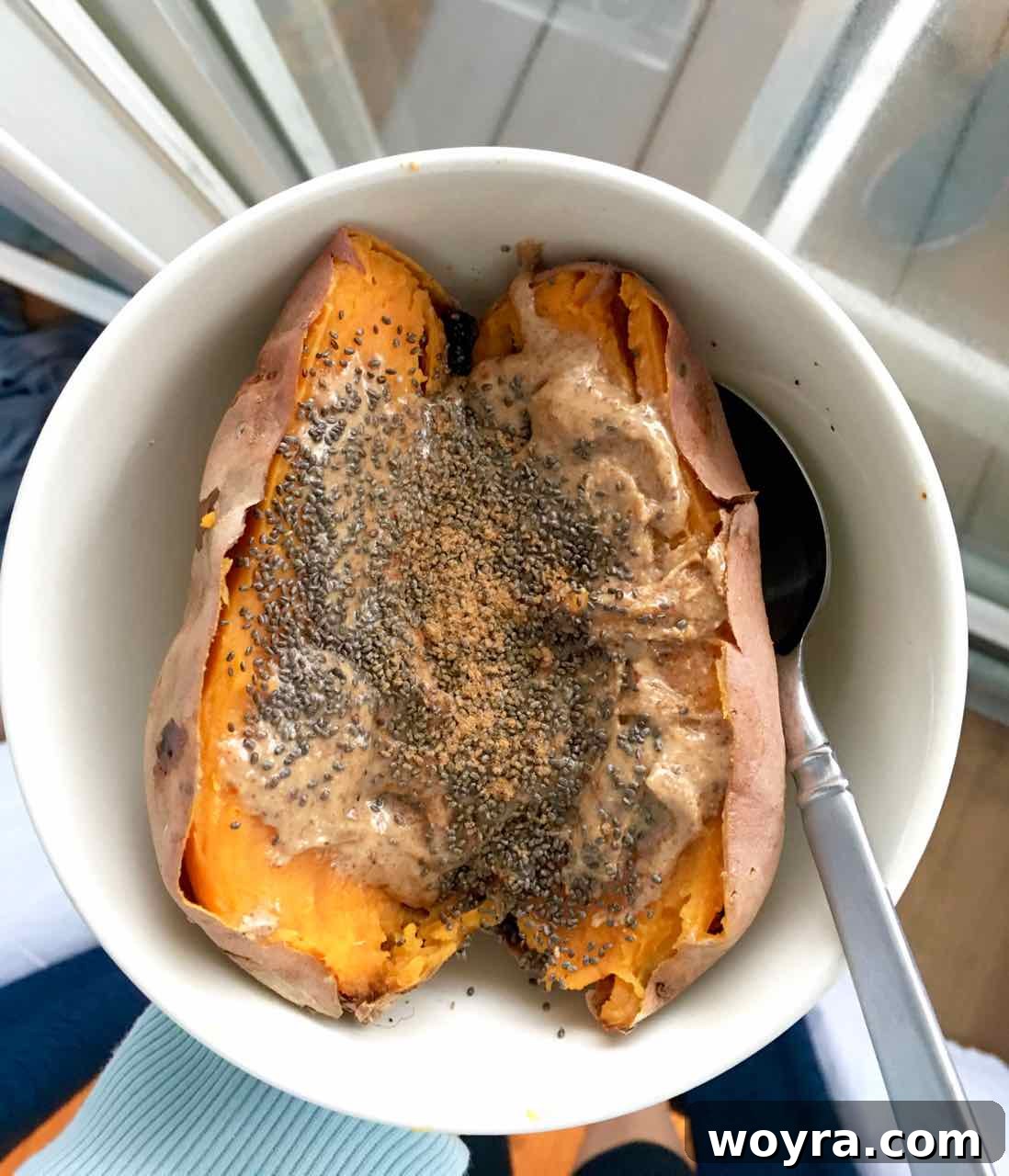
- One truly delightful and surprisingly creamy breakfast option was baking sweet potatoes and then topping them with almond butter and a sprinkle of chia seeds. It offered a comforting sweetness and satisfying texture without any non-compliant ingredients.
- For a savory and flavorful alternative, Texanerin’s Homemade Paleo Breakfast Sausage recipe was an absolute game-changer – incredibly delicious and highly recommended.
7) **Discover New Recipes and Foods:** Far from feeling restrictive, the Whole30 can be an incredible opportunity to expand your culinary repertoire. Actively seeking out exciting, compliant recipes and experimenting with new ingredients can make the program feel like a discovery rather than a limitation. When you have a list of fun, flavorful dishes waiting to be made, you’ll hardly notice any restrictions.
- I distinctly remember eating this incredible Whole30 Shepherd’s Pie and this rich Paleo 7 Layer Dip, and completely forgetting I was even on the Whole30 program because they were so satisfying and flavorful.
- Another clever trick I uncovered was baking prosciutto until crispy to create delicious, savory bacon bits! These were fantastic sprinkled over eggs or salads, adding a wonderful textural and salty element to meals.



Profound Realizations About Food and Personal Habits During Whole30
The Whole30 program isn’t just about what you eat; it’s a deep dive into your relationship with food and your ingrained habits. Here are some of the key revelations I experienced:
1) **Cooking Oil Preferences:** One surprising discovery was my aversion to cooking with coconut oil. Both my husband and I found that it consistently left an unsettling aftertaste or a feeling of discomfort, perhaps a subtle digestive issue we hadn’t noticed before. This led us to firmly embrace olive oil as our preferred cooking fat, which proved to be a much more agreeable choice for both of us.
2) **Unveiling Hidden Cravings:** I significantly underestimated the extent of my cravings. The Whole30 mercilessly exposed just how often I reached for sweets and chocolate, especially in the late evenings. Week 1 was undoubtedly the most challenging period, a constant mental battle against these ingrained desires. However, with consistent adherence and conscious effort, I was amazed to find that these intense cravings did eventually diminish and largely disappear.
3) **Mastering Cravings Through Mindful Choices:** A crucial lesson, particularly around Week 3, was the powerful realization that I don’t always have to succumb to my cravings. I learned that by simply pausing, taking a moment to sit with the craving, and making a conscious decision, or by opting for a piece of fruit, the intense desire for the “craved” item would often dissipate. For instance, on several occasions, after eating just half a grapefruit, my persistent longing for chocolate vanished entirely, proving the power of mindful intervention and nourishing alternatives.
4) **Fruit and Vegetable Deficiency:** The program highlighted a glaring inadequacy in my previous diet: I was not incorporating nearly enough fruits and vegetables into my daily meals. The sheer volume and variety of produce I consumed on Whole30 were eye-opening, demonstrating how easily these vital nutrients had been sidelined in my former eating patterns.
5) **Identifying Food Intolerances:** A rather uncomfortable discovery was my body’s inability to digest ground pork. Both my husband and I experienced significant digestive distress, indicating a clear intolerance we were previously unaware of. This reinforced the Whole30’s value as an elimination diet, bringing specific sensitivities to light.


Transformative Physical Changes and Sensations on Whole30
The physical changes I experienced during the Whole30 were diverse and profound, extending far beyond superficial alterations:
1) **Visible Body Composition Changes:** While I hadn’t initially planned to share before-and-after photos and felt a touch of embarrassment, the visual changes were undeniably interesting. From the front, my physique didn’t appear drastically different. However, the transformation from the back was quite striking! The Whole30 genuinely altered my body shape, revealing a more toned and defined silhouette. Since I don’t own a scale, I can only estimate my weight loss, perhaps around 5 pounds, primarily noticing changes in how my clothes fit. My husband, who did weigh himself at the gym, experienced a noticeable 10-pound loss. Crucially, though, the most significant changes were in how my body *felt* and functioned, which a number on a scale simply can’t capture.
2) **Exceptional Hydration Levels:** One of the earliest and most impactful changes I noticed was an almost immediate improvement in my hydration. My body felt consistently well-hydrated, a sensation that was incredibly refreshing and invigorating. This profound feeling of being deeply quenched contributed significantly to my overall sense of well-being.
3) **Surge in Energy:** My energy levels soared dramatically. I found myself with significantly more energy for workouts and sustained vitality throughout the entire day. This energetic boost mirrored the invigorating feeling I first experienced when I initially transitioned to a Paleo diet. When you realize how truly good you can feel, it naturally sparks the question: “Why haven’t I always prioritized eating this way?”
4) **Redefined Hunger Cues:** I generally felt less “hungry,” or rather, my body communicated hunger in a different, more nuanced way. There was no longer that desperate, urgent craving to eat. Instead, it was a subtle, calm recognition that my body required fuel. This distinction allowed for more mindful eating and less reactive snacking.
- *A vital note*: This reduced sensation of hunger can be deceptive. There were three consecutive days during Week 2 when I experienced lightheadedness and nausea, only to realize I hadn’t eaten in five hours. This taught me the importance of proactive eating, even when intense hunger signals aren’t present.
5) **Intense Emotional Fluctuations:** Week 2 brought an unexpected and intense emotional rollercoaster. For about four days, I felt an overwhelming urge to cry at the slightest trigger, despite not feeling genuinely sad. This wasn’t connected to PMS, leading me to theorize that the extremely clean eating profoundly impacted my hormones. As someone with pre-existing hormone issues, I was incredibly curious and slightly concerned about this dramatic shift.


6) **Remarkably Softer Skin:** Around day 10, I began to notice my skin was significantly softer than usual. I’ve always admired the naturally soft skin of my mom and sister, and while my skin wasn’t rough, it simply wasn’t *as* soft as theirs. I had spent considerable money on various lotions and salicylic acid treatments, trying to achieve that desired smoothness. The profound realization that the key lay within my diet, rather than external products, was truly astonishing.
- By the fourth week, the skin on my face was **ridiculously** soft – a quality that no expensive lotion or treatment could ever replicate. It was a clear testament to the internal healing and nourishment provided by the Whole30.
7) **Reduced Dental Plaque:** Another utterly mind-boggling change emerged around Week 2: I had almost no plaque on my teeth! This was particularly astonishing given my regular, six-month dental check-ups where hygienists consistently, and somewhat frustratingly, questioned my flossing habits. Despite my diligent flossing, they never seemed to believe me. This dramatic reduction in plaque was irrefutable proof of how directly and positively my diet was impacting my overall health, right down to my oral hygiene.
8) **Husband’s Inflammation Reduction:** By Week 3, my husband, who battles an autoimmune disease and experiences inflammation very easily with certain foods, saw all his excess weight and inflammation practically melt away. While this dramatic “melting” effect wasn’t as pronounced for me, I observed the most significant visual changes to my own body around Week 4, manifesting as better definition and reduced bloating.
9) **Feeling Fantastic Despite Illness:** This was perhaps the most astounding physical revelation. I mentioned being sick throughout December with a head cold, stomach bug, cough, and chest pain. Yet, in January, while deeply entrenched in the Whole30, I felt absolutely fantastic! Despite lingering chest pain, when I finally saw a doctor, I confidently reported feeling “amazing” with no fever or other symptoms. To my shock, the doctor’s examination revealed a fever, a visibly red throat, swollen glands, and tracheobronchitis. The clean eating and internal healing had made me feel so incredibly well that my body’s usual warning signals were masked, highlighting the immense power of optimal nutrition to bolster well-being even in the face of underlying illness.



A Profound Shift in Mindset During Whole30
Beyond the physical transformations, the Whole30 instigated an even more significant evolution in my mindset and relationship with myself. It wasn’t just a diet; it was a journey of self-discovery and empowerment.
1) **Whole30 as a Gift of Self-Worth:** By the third week, my perspective on the Whole30 had completely transformed. It ceased to be merely a set of rules to follow and instead became a profound gift I was actively giving to myself. This shift was incredibly beautiful – the realization that I am inherently worthy of such a gift, that my body inherently deserves to be treated with proper care and to experience optimal health. This powerful sense of self-worth is a right everyone deserves to claim.
2) **Exercise as an Act of Self-Love:** This renewed understanding of deserving to be healthy naturally extended to my approach to physical activity. I no longer viewed going to the gym as a grudging obligation or a box to tick off a weekly goal list. Instead, my motivation stemmed from the belief that my body *deserves* to be fit, strong, and capable. Exercise became an act of honoring and caring for my physical self, a celebration of what my body could do, rather than a punishment for what it couldn’t.
- This mindset shift also inspired me to return to yoga for the first time in months. During my practice, I consciously focused on my breath, feeling a deep connection to my body and spirit. I’m not using cheesy rhetoric here; I genuinely felt connected to myself in a way I hadn’t experienced in a very long time, a profound sense of inner harmony and presence.
3) **Food as a Manifestation of Love and Respect:** My perspective on food deepened considerably. It evolved from being merely fuel or a source of pleasure to a powerful means of demonstrating love and respect for my body. My cravings, once powerful dictators of my choices, no longer held sway over my thoughts. I found myself contemplating how carelessly introducing certain foods into my body was fundamentally an unloving gesture. This isn’t to say balance isn’t crucial – mindful indulgence has its place – but the foundation of my food choices shifted to one of intentional nourishment and appreciation for my body’s well-being.

Navigating the Challenges: The Hardest Aspects of Whole30
While the Whole30 brought immense benefits, it was not without its distinct challenges. Identifying and understanding these hurdles helped me appreciate the program’s rigor and the broader concept of balance.
1) **Weekends and Social Isolation:** Without a doubt, Whole30 weekends were exceptionally tough and at times, felt quite isolating. The longing for social rituals centered around food and drink was palpable. I yearned for a relaxing glass of red wine on a Friday night, the simple pleasure of dining out with friends, or the excitement of trying a new local bakery. Even the desire to whip up some Paleo banana bread with leftover bananas was a struggle against the rules. This intense period of restriction truly underscored and deepened my appreciation for the meaning and importance of balance in a sustainable lifestyle.
2) **The Breakfast Predicament:** As I mentioned earlier, navigating breakfast was consistently a struggle. Eating eggs almost every day, while nutritious, simply isn’t my favorite, and I found it challenging to consistently find variety. However, a significant shift occurred when I began to reframe meals, especially breakfast, as essential fuel to kickstart my day. When I focused on the sustained energy certain compliant foods provided, and how long they kept me feeling satisfied, my perception gradually changed, making the meal less of a chore and more of a practical necessity.
3) **Missing the Art of Baking:** I genuinely missed baking, particularly Paleo baking. For me, the process of mixing, stirring, measuring, and pouring ingredients is deeply relaxing, almost a meditative practice that brings a sense of calm and creative outlet. The Whole30’s complete elimination of baked goods, even those with compliant ingredients, forced me to confront how much I relied on this activity. I realized I might have been baking a bit too much before, though a significant portion of it was, of course, for “blogging purposes” – a convenient excuse, perhaps! This break highlighted the need for other forms of stress relief and creative expression.



The Revealing Journey of Whole30 Reintroduction
The reintroduction phase of the Whole30 was, without exaggeration, the most surprising part of the entire experience. I had always assumed certain foods were perfectly fine for me, that I only avoided them because my husband’s health required it. I was unequivocally wrong.
My husband and I carefully followed the recommended reintroduction protocol: one day of reintroducing a specific food group, followed by one or two days of strict Whole30 eating before moving to the next category. This methodical approach allowed us to clearly observe any reactions. Here’s how it unfolded:
1) Gluten-Free Grains
GF Oats– I personally felt no adverse effects from reintroducing gluten-free oats. My body seemed to tolerate them well. My husband, however, reacted with an almost childlike burst of energy, as if he’d just consumed a sugary donut, followed by a noticeable crash. This happened even without any added sweeteners.
White Rice– Reintroducing white rice hit me like a ton of bricks. Not only did I feel uncomfortably and excessively full, but an immediate wave of exhaustion washed over me. I was so sluggish that I couldn’t move off the couch for two hours. During this period, I also experienced intense cravings for sweets. After those two hours, surprisingly, I felt completely back to normal. My husband, quite unexpectedly, reported no difference after eating rice.
Overall for Gluten-Free Grains: Our reactions varied, highlighting individual sensitivities. While oats seemed fine for me, rice caused significant energy dips and cravings.
2) Legumes
Chickpeas- To our complete surprise, both my husband and I felt absolutely no discernible difference after eating hummus made from chickpeas. Given the common issues with legumes, I fully anticipated at least one of us would react, but this was a pleasant exception.
Beans- Reintroducing kidney beans and black beans yielded a clearer picture. Both my husband and I experienced significant bloating and a mild, transient discomfort in our stomachs. While the acute discomfort subsided quickly, the bloating persisted for a longer duration. We even had a slight feverish sensation, indicating a systemic reaction.
Quick side note: By this point in the reintroduction process, I observed that the beautiful softness I had gained in the skin on my body during Whole30 had begun to diminish. 🙁
Overall for Legumes: While chickpeas were tolerated, beans proved problematic, causing bloating and discomfort for both of us. The positive skin changes from Whole30 began to reverse.
3) Goat and Sheep Dairy
Goat Cheese– I felt no negative effects from eating goat’s cheese; in fact, I experienced a slight boost of energy. My husband, on the other hand, developed a characteristic “red face” – a tell-tale sign that his body was reacting negatively, a common occurrence with his autoimmune condition when he consumes incompatible foods.
- However, I later realized I had accidentally purchased a honey goat cheese, which contained additional ingredients. I suspect these extra, non-compliant components were the true culprits behind my husband’s reaction, rather than the goat cheese itself.
Sheep’s Cheese– I experienced a slight stomach ache after eating sheep’s cheese, but noticed no other significant physical changes. My husband believed his body was able to tolerate it without adverse effects.
Note: Over the subsequent day or two, I did notice experiencing cramps, which led me to suspect I might have some form of malabsorption issue with dairy in general. My husband reported similar observations, reinforcing our shared sensitivity.
Overall for Goat and Sheep Dairy: Mixed reactions. I tolerated goat cheese (barring a potential hidden ingredient issue), but both of us experienced some discomfort with sheep’s cheese and suspected general dairy malabsorption.
4) Gluten Grains– I approached this reintroduction with the highest apprehension, fully expecting it to be the most problematic category.
Wheat Flour– Surprisingly, neither my husband nor I felt any immediate, acute physical differences after consuming wheat flour. However, we both noted that we became very hungry, very quickly afterward, suggesting it wasn’t providing sustained satiety.
Bread- We then tried bread made from a mix of wheat, barley, millet, and spelt. I felt a distinct sense of uncomfortable fullness, a heavy sensation, even though I ate only a small amount. This was a clear contrast to how my body felt on Whole30.
Beer- I didn’t notice any particular immediate changes after consuming beer, but I also only had a small amount.
Note: As a collective category, consuming gluten left me feeling significantly more hungry than usual. I also experienced a general “blah” feeling – not intensely tired, but certainly lacking the vibrant energy I had grown accustomed to on Whole30. Both my husband and I found it harder to fall asleep, and the quality of our sleep was noticeably diminished. My husband also dealt with bloating for approximately two days following gluten reintroduction.
Quick note: At this point in the reintroduction process, my under-eye circles had become darker, the wonderful softness in my face was entirely gone, and the skin on my body had become even *less* soft than it was before the Whole30. These visual cues were powerful indicators of internal inflammation.
Overall for Gluten Grains: While immediate acute pain was absent, gluten led to increased hunger, a noticeable drop in energy, disturbed sleep, and persistent bloating for my husband. The positive skin and facial changes from Whole30 were clearly reversed.
5) Cow’s Dairy
Cheddar, Mozzarella, and Cream– To our astonishment, neither my husband nor I experienced immediate physical pains or dramatic changes right after consuming these cow’s dairy products. However, we both felt an overarching sense of general discomfort for two consecutive days. Most notably, both of us observed a definite negative impact on our digestion, indicating that even without acute pain, our bodies were struggling to process it effectively.
Note: This reintroduction phase led me to wonder if my body was more sensitive at the beginning of the reintroduction sequence compared to the end. For instance, would I have experienced even stronger reactions if I had reversed the order of reintroduction? It seemed that the reactions became progressively less intense with each subsequent reintroduction, which could be due to my body adapting or simply the order of elimination influencing the severity of response.
Overall for Cow’s Dairy: No immediate acute reactions, but a sustained sense of discomfort and noticeable digestive issues for two days for both of us. The order of reintroduction may have influenced the perceived severity of reactions.


The Enduring Lessons: My Final Whole30 Takeaway
Having completed the Whole30 and its invaluable reintroduction phase, I can confidently state that I would 100% undertake this program again. The benefits I experienced, both physically and mentally, were profound and far-reaching. I envision incorporating sporadic, week-long intervals of strict Whole30 eating into my routine because I genuinely believe my body thrives on this way of eating and greatly benefits from these regular, cleansing breaks.
Overall, one of the most empowering outcomes is my newfound control over my cravings and my notorious sweet tooth. This is a monumental victory, providing a sense of food freedom that extends far beyond the 30-day program. Wohoo!
Ultimately, the single most important and transformative lesson I gleaned from the Whole30 is the deep-seated understanding that **I deserve to be healthy**. This powerful mindset, when applied consistently to my food choices, my approach to exercise, and my daily habits, has cultivated a much more realistic, compassionate, and loving approach to my overall health. It’s a fundamental shift that has proven to be incredibly motivating and sustainable in the long term, moving me from obligation to empowerment.
If you’re considering the Whole30, or simply curious about my experience, I’d be absolutely thrilled to compare notes, swap stories, or help answer any questions you might have regarding the entire process. Please feel free to comment below, send me an email, or reach out via social media!