
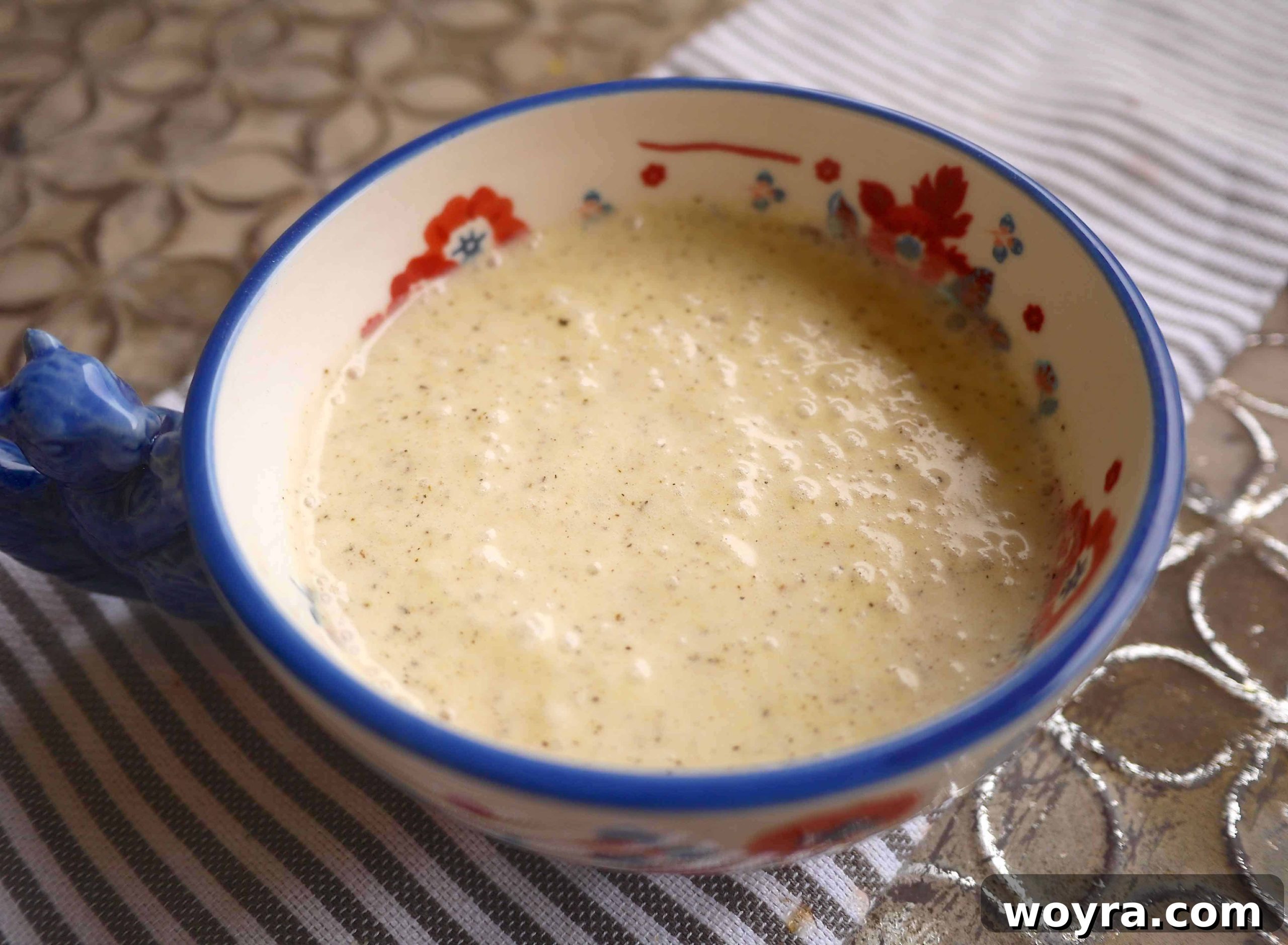
The Ultimate Paleo Caesar Dressing: Creamy, Tangy, and Anchovy-Free!
For weeks, my kitchen has been a laboratory, my palate a relentless critic, all in pursuit of one elusive goal: the perfect Caesar salad dressing. Not just any Caesar, but a Paleo-friendly, dairy-free, and most importantly, anchovy-free version that still captures that quintessential tangy, savory punch. It began as a quest for a single “key” ingredient, a secret weapon to unlock the distinct flavor profile. Yet, as I experimented, tasted, and refined, I came to a profound realization: there isn’t one single key. Instead, it’s a delicate symphony of bold flavors, meticulously balanced to create something truly magical.
Despite the unifying elements of garlic, lemon, and a creamy base, Caesar dressings can vary wildly in taste and character. The challenge, then, was not just to replicate a flavor, but to craft a dressing that stands on its own merit – a dressing that could be proudly called “Caesar-like” while adhering to specific dietary preferences.
Why Go Paleo, Dairy-Free, and Anchovy-Free for Your Caesar Dressing?
The traditional Caesar salad dressing, while undeniably delicious, often contains ingredients that many individuals choose to avoid for various health or dietary reasons. Mayonnaise, often a base, typically contains industrial seed oils, and the dressing frequently includes dairy in the form of Parmesan cheese. Furthermore, the hallmark umami depth in classic Caesar comes from anchovy paste, an ingredient that some prefer to omit due to taste, allergies, or simply a desire for a plant-based alternative.
Creating a Paleo and dairy-free version means eliminating these common allergens and inflammatory ingredients, making the dressing accessible to a wider audience, including those following a stricter Paleo lifestyle, individuals with dairy sensitivities, or anyone looking to reduce their intake of processed foods. The beauty of this recipe lies in its ability to deliver all the complex flavors you crave in a Caesar dressing, without compromising on your health goals or ethical choices. It’s a testament to how simple, wholesome ingredients can come together to create something truly exceptional, proving that healthy eating doesn’t mean sacrificing flavor.
The Flavor Quest: Crafting an Anchovy-Free Caesar Experience
My journey into the world of homemade Paleo Caesar dressing started with a clear goal: recreate that iconic, zesty flavor without the traditional anchovy paste. While I respect its role in classic recipes, I aimed for an easier, more accessible approach, utilizing ingredients readily available in most Paleo-friendly pantries. Many home cooks, myself included, might hesitate to keep anchovy paste on hand, and finding a suitable, delicious substitute was paramount to developing a truly convenient recipe.
Through countless iterations and taste tests, I discovered that the secret to achieving that coveted tang and depth of flavor in an anchovy-free dressing lies in the harmonious interplay of a few key ingredients: Dijon mustard, fresh lemon juice, and a generous amount of garlic. These three powerhouses, when combined in the right proportions, provide a robust, pungent, and bright foundation that brilliantly mimics the complexity usually attributed to anchovies. The beauty of this combination is its inherent simplicity and the ability to customize the intensity of each component to suit individual preferences.
Personally, I lean towards a bolder flavor profile, which is why I found that 3 teaspoons of finely minced garlic delivered the perfect level of zesty tang that truly elevates this dressing. The raw garlic provides a sharp, invigorating bite that mellows slightly over time but remains a prominent, delightful characteristic. However, if you prefer a milder garlic presence, reducing the amount to 2 teaspoons is an easy adjustment, ensuring the dressing is tailored exactly to your liking. This flexibility makes the recipe incredibly versatile and approachable for all taste preferences, from garlic enthusiasts to those who prefer a more subtle hint of flavor.
Achieving the Perfect Creamy Texture: Coconut Cream vs. Coconut Milk
Beyond flavor, the texture is paramount for an authentic Caesar dressing experience. It needs to be rich, emulsified, and coats greens beautifully. My experiments led me to explore two excellent dairy-free alternatives: canned coconut cream and canned coconut milk. While both yielded delicious results, their distinct consistencies offered different sensory experiences, allowing for customization based on personal preference.
Using coconut cream, specifically the thick, solid part that separates at the top of a chilled can, produced a wonderfully rich and thick dressing. When blended with a handheld electric mixer, the coconut cream transformed into an airy, almost whipped consistency, creating a dressing that felt luxurious and indulgent. This lighter, more voluminous texture proved to be my personal favorite, offering a delightful mouthfeel that clung beautifully to salad leaves and other ingredients. The aeration from the mixer contributed to a gourmet feel, making each bite incredibly satisfying.
Conversely, when I opted for canned coconut milk and blended the ingredients in a food processor, the result was a smoother, more liquid version of the dressing. This variation was equally tasty, delivering all the intended flavors, but with a thinner, flowing consistency. It provided a different kind of experience, perhaps more akin to a traditional vinaigrette in its pourability, while still retaining the creamy essence of a Caesar. This distinction makes the recipe adaptable: choose coconut cream for a decadent, thick dressing perfect for robust salads, or coconut milk for a lighter, pourable option that works well for drizzling or as a marinade.
Interestingly, the choice of mixing tool – whether a handheld electric mixer or a food processor – had a surprisingly minimal impact on the overall flavor profile. While the electric mixer imparted that desirable airy texture, the core taste remained consistent across both methods. This means you can confidently use whichever appliance you have readily available, knowing that the delicious garlicky, lemony essence will shine through regardless. Ultimately, both iterations were incredibly delicious, but the luscious, thicker dressing made with coconut cream held a special place in my heart, offering a richer, more satisfying culinary experience.
Beyond the Salad Bowl: Creative Ways to Enjoy Your Paleo Caesar Dressing
While this Paleo Caesar-like dressing is, of course, a star when drizzled generously over a classic Caesar salad, its versatility extends far beyond the confines of a salad bowl. Its robust flavor profile – a beautiful marriage of sharp garlic, bright lemon, and a hint of umami from Dijon mustard – makes it an exceptional accompaniment to a wide array of dishes. Don’t let the name limit your imagination!
Imagine this creamy dressing enhancing a vibrant salad brimming with fresh greens, crisp carrots, savory bacon, and succulent rosemary lemon chicken. Add a sprinkle of dairy-free shredded “Parmesan” for an extra layer of flavor and texture (shhh, it’s our little secret!). The richness of the dressing beautifully complements the various textures and flavors, tying the entire dish together in a harmonious culinary experience.
For a simpler yet equally satisfying meal, consider tossing it with a hearty kale salad. The dressing’s creaminess beautifully tenderizes the kale, transforming it into an incredibly palatable and delicious dish – truly an amazing way to enjoy this nutrient-dense green, if I do say so myself. The tang cuts through the earthiness of the kale, creating a perfect balance.
But why stop there? This dressing can also serve as a fantastic marinade for chicken or fish, infusing them with a garlicky, lemony punch before grilling or baking. Use it as a dip for fresh vegetable sticks, sweet potato fries, or even as a spread for lettuce wraps or sandwiches. Its robust flavor can elevate simple ingredients into extraordinary culinary delights. The possibilities are truly endless, limited only by your imagination. Experiment and discover your favorite new ways to incorporate this delightful Paleo Caesar dressing into your meals!
Tips for Success & Storage
Creating this delicious dressing is straightforward, but a few tips can ensure your results are consistently perfect. Firstly, always use fresh ingredients. Freshly minced garlic and freshly squeezed lemon juice make a noticeable difference in the vibrance of the dressing’s flavor. Bottled lemon juice simply won’t achieve the same bright, zesty tang. When selecting canned coconut cream, look for brands with minimal additives. Chilling the can overnight can help the cream solidify and separate, making it easier to scoop out the thickest part for a richer dressing.
For those who prefer a less pungent garlic flavor, a trick is to briefly blanch the minced garlic in hot water for about 30 seconds before adding it to the dressing. This slightly mellows its raw intensity without sacrificing its essential character. Taste and adjust seasonings as you go. A little extra salt, pepper, or a dash more apple cider vinegar can perfectly balance the flavors to your preference.
Storage is key to enjoying your homemade dressing. Transfer any leftover dressing to an airtight container and store it in the refrigerator. It typically stays fresh for 5-7 days. Over time, the dressing might thicken slightly in the cold, especially if made with coconut cream. If it becomes too thick for your liking, simply whisk in a teaspoon or two of water or a splash of fresh lemon juice until it reaches your desired consistency. Give it a good shake or stir before each use to re-emulsify any separated ingredients. This dressing is so delicious, you’ll likely find yourself making a fresh batch every week!
Conclusion: Your New Go-To Healthy Caesar Dressing
After much culinary exploration and countless taste tests (my taste buds may or may not be permanently seasoned with raw garlic), I can confidently say that this dressing is an absolute triumph. I’ve chosen to call it “Paleo Caesar Salad-like Dressing” because while it distinctly echoes the beloved flavors of a classic Caesar, it possesses a unique, fresh identity all its own. You’ll understand what I mean once you taste its vibrant complexity.
It truly is a testament to the fact that healthy, dietary-friendly eating doesn’t have to mean compromising on flavor or satisfaction. This recipe proves that you can achieve a sophisticated and utterly delicious dressing using simple, wholesome ingredients found right in your kitchen. I encourage you to try it and experience the delightful difference for yourself. I would love to hear your thoughts, any suggestions you might have (even if you’re an anchovy paste advocate!), or how you craft your own homemade Paleo Caesar dressing. Happy cooking!
Paleo Caesar Salad-Like Dressing (GF)
Dominique
4
5 minutes
5 minutes
Ingredients
-
2-3
tsp
minced garlic, (I used 3 and really enjoy the tang! This was 3 cloves of garlic for me) -
3
Tbs
lemon juice -
2
tsp
Dijon mustard -
1/4
tsp
salt -
1/4
tsp
pepper -
1
Tbs
apple cider vinegar -
3
Tbs
canned coconut cream, (coconut milk works too, but is more watery) -
1
tsp
honey - a pinch of ground nutmeg
-
1
Tbs
olive oil
Instructions
-
Mix all of the ingredients in a bowl with a hand-held electric mixer. OR mix all of the ingredients in a food processor.
-
This recipe should yield about 1/2 cup of dressing (which is good for a salad serving 4-6 people)
Nutrition
Calories:
82
kcal
Carbohydrates:
4
g
Protein:
1
g
Fat:
8
g
Saturated Fat:
4
g
Polyunsaturated Fat:
0.4
g
Monounsaturated Fat:
3
g
Sodium:
174
mg
Potassium:
64
mg
Fiber:
1
g
Sugar:
2
g
Vitamin A:
4
IU
Vitamin C:
5
mg
Calcium:
8
mg
Iron:
0.4
mg
Nutrition information is automatically calculated, so should only be used as an approximation.
Additional Info
dressing, Salad, sauce
American, Paleo
Tried this recipe?
Mention @perchancetocook or tag #perchancetocook!