
Incredibly Soft & Chewy Gluten-Free Chocolate Chip Cookies (Paleo & Dairy-Free)
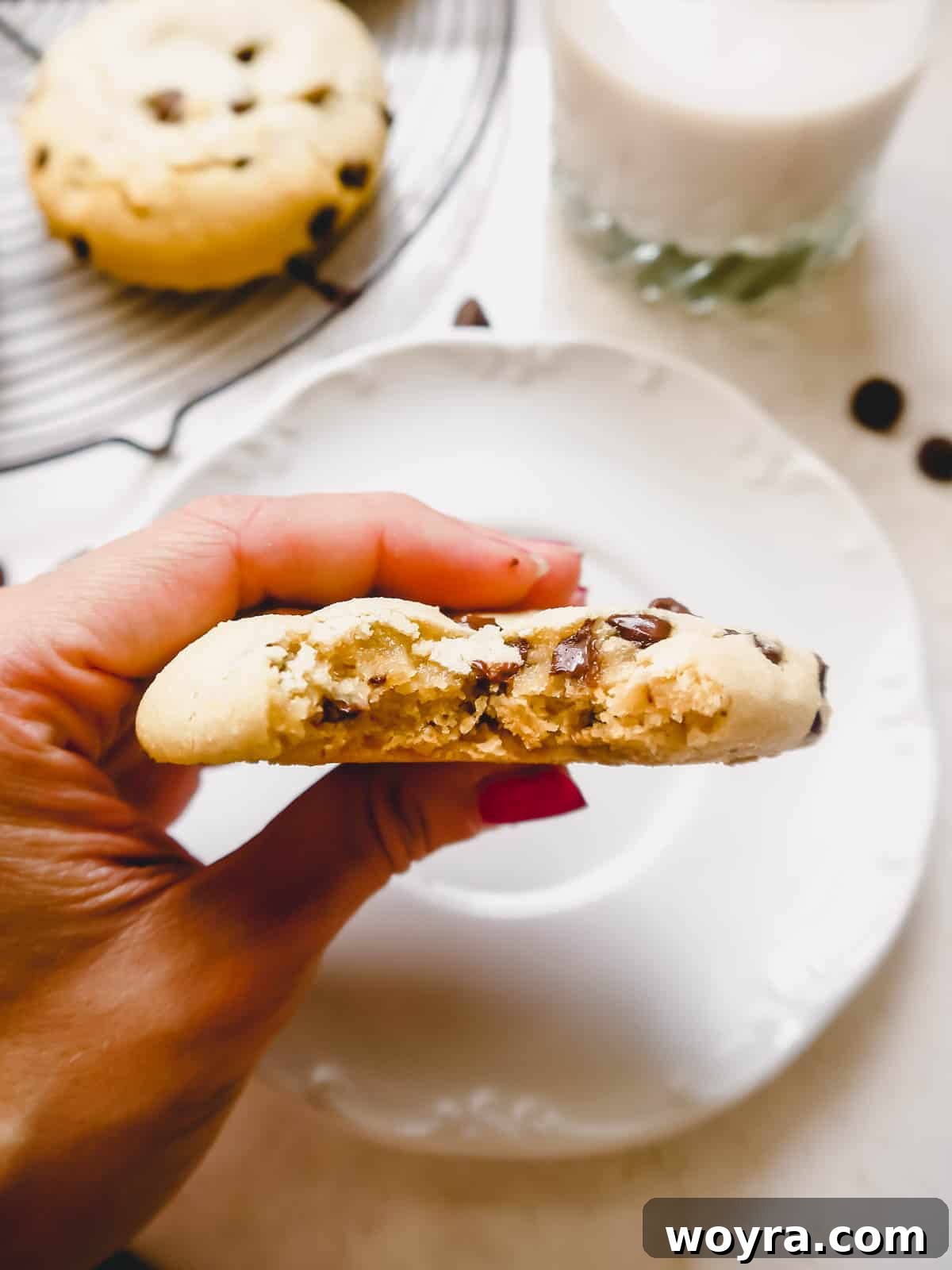
Prepare to fall in love with these unbelievably soft and wonderfully chewy gluten-free chocolate chip cookies! Crafted to perfection, these bakery-style delights are not only naturally dairy-free and gluten-free but also adhere to the Paleo diet. Utilizing a thoughtful blend of almond flour, tapioca flour, and coconut flour, they achieve a pillowy texture that melts in your mouth while offering a satisfying chew.
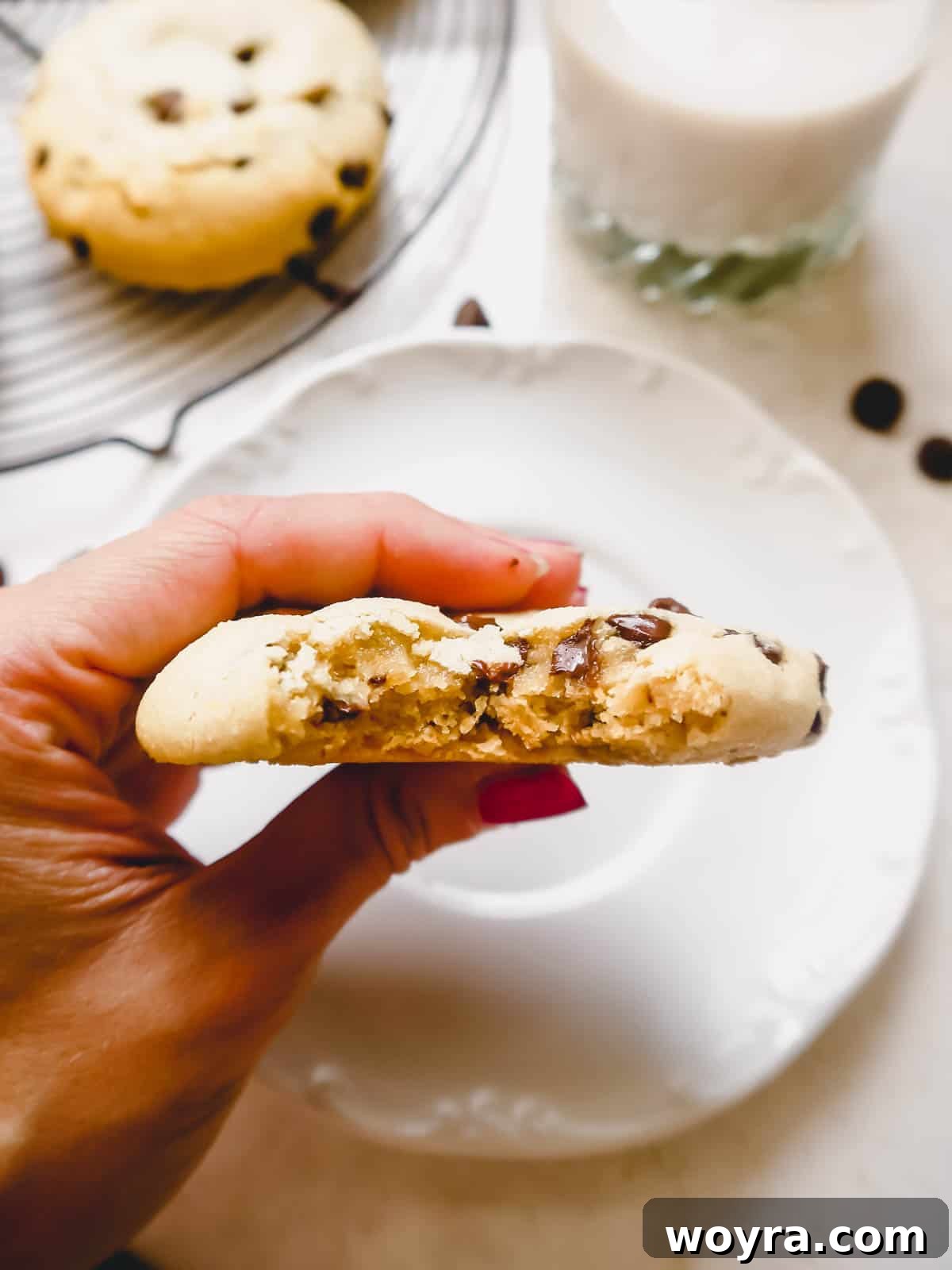
For those who adore a cookie with a tender, cake-like crumb, these chocolate chip sensations are a dream come true. They are exquisitely light, delightfully fluffy, and boast an irresistible texture that is nothing short of amazing. While I often gravitate towards intensely chewy and gooey chocolate chip cookies, this particular gluten-free recipe has captured my heart. Its unparalleled deliciousness compels me to bake it time and time again. And for those who, like me, appreciate a bit of chewiness, I’ve perfected a baking method that still delivers that coveted gooey center, even in these incredibly soft, gluten-free wonders.
Table of Contents
- Why You’ll Adore These Gluten-Free Chocolate Chip Cookies
- The Secret to Our Paleo & Gluten-Free Ingredients
- Customizing Your Soft & Chewy Cookies
- Step-by-Step Guide to Perfect Gluten-Free Cookies
- Expert Baking Tips for Flawless Results
- Storage and Freezing Instructions
- Frequently Asked Questions (FAQs)
- Other Gluten-Free Cookie Recipes You’ll Love
- Soft Gluten Free Chocolate Chip Cookies (Paleo) Recipe Card
Why You’ll Adore These Gluten-Free Chocolate Chip Cookies
These aren’t just any cookies; they’re a revelation for anyone seeking a healthier, yet utterly delicious, treat. Here’s what makes this recipe stand out and why it’s destined to become a staple in your kitchen:
- Dietary Inclusivity: This recipe is a true crowd-pleaser, being naturally gluten-free, dairy-free, grain-free, and perfectly suitable for a Paleo lifestyle. It means almost everyone can enjoy these delightful cookies without compromise.
- Naturally Sweetened: We forgo refined sugars, opting for pure maple syrup. This not only provides a rich, caramel-like sweetness but also aligns with healthier eating principles, giving the cookies a wonderful depth of flavor.
- Unbeatable Texture: Experience the best of both worlds! These cookies are gloriously soft and delightfully cakey, yet they maintain a satisfying chew that prevents them from being dry or crumbly. They genuinely replicate that coveted “bakery-style” feel.
- Wholesome Fats: Instead of butter, we utilize olive oil. A light-flavored olive oil contributes to the cookies’ moist texture and adds a subtle, pleasant note, while also offering heart-healthy monounsaturated fats.
- Simple Ingredients, Incredible Flavor: Despite their specialized dietary attributes, these cookies are made with accessible ingredients and a straightforward process, proving that healthy baking can be both easy and incredibly rewarding.
- Versatile Baking: Whether you prefer a slightly gooey center or a more uniformly cakey texture, this recipe is incredibly forgiving and allows for minor adjustments in baking time to suit your personal preference.
The Secret to Our Paleo & Gluten-Free Ingredients
Crafting the perfect gluten-free and Paleo cookie relies heavily on selecting the right ingredients. Each component in this recipe plays a crucial role in achieving the ideal taste and texture. Here’s a detailed look at what you’ll need and why:
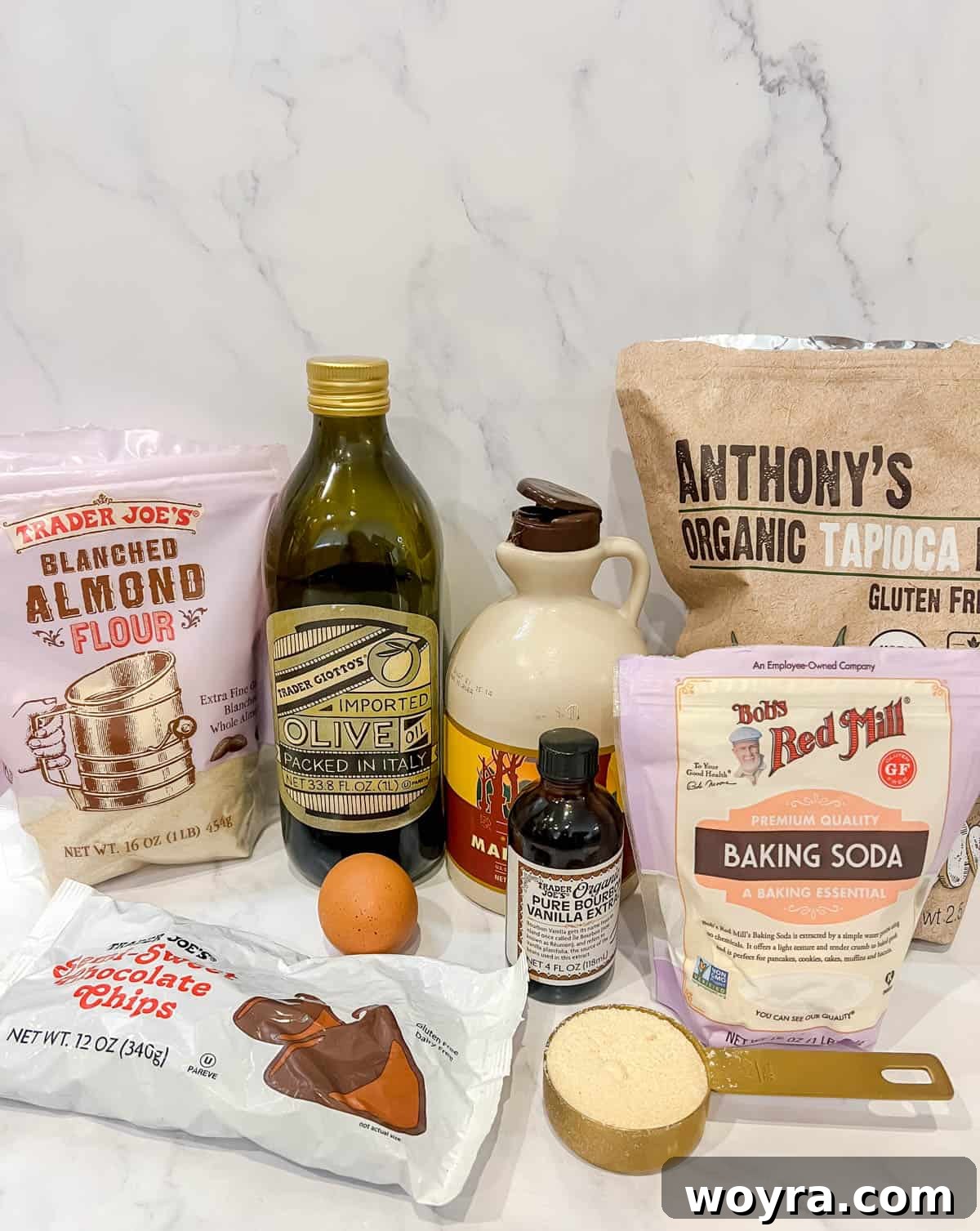
- Olive Oil: The foundation of our cookie’s moisture and tender crumb. It replaces traditional butter, making the cookies dairy-free and imparting a subtle richness. Ensure you choose a light-flavored olive oil to avoid an overpowering taste. Avocado oil is also an excellent alternative.
- Maple Syrup: Our natural sweetener of choice. Pure maple syrup not only sweetens the cookies but also contributes to their chewy texture and slightly golden hue. Always opt for pure, high-quality maple syrup for the best flavor.
- Vanilla Extract: A crucial flavor enhancer. Vanilla brings warmth and depth, complementing the chocolate and maple syrup beautifully. Both alcohol-based and alcohol-free vanilla extracts work perfectly.
- Egg: Acts as a binder, providing structure and helping to create that desirable cakey yet soft texture. It emulsifies the wet ingredients and gives the cookies lift.
- Almond Flour: This is a cornerstone of gluten-free and Paleo baking. Make sure to use blanched almond flour, which has a finer texture compared to almond meal. This refined texture is key to achieving a smooth, delicate crumb in your cookies without any grittiness.
- Tapioca Flour (or Tapioca Starch): A fantastic gluten-free thickener and binder. Tapioca flour provides elasticity and a slight chewiness, which is vital for balancing the richness of almond and coconut flours. It contributes significantly to the overall texture, making the cookies light and tender.
- Coconut Flour: A highly absorbent gluten-free flour that adds a unique soft texture and subtle sweetness. Due to its high absorbency, it’s crucial to measure coconut flour precisely and avoid using more than the recipe specifies, as it can quickly dry out your cookies if overused.
- Baking Soda: Our leavening agent. Baking soda reacts with acidic components in the batter (like maple syrup) to create carbon dioxide, which helps the cookies rise and become beautifully puffy during baking.
- Salt: Essential for balancing the sweetness and enhancing all the other flavors. Don’t skip it!
- Chocolate Chips: The star of any chocolate chip cookie! You can use your favorite semi-sweet or dairy-free chocolate chips. For a strictly Paleo option, I highly recommend HU Chocolate, which is free from refined sugar and dairy. For an extra textural element, consider using a mix of mini chocolate chips and regular morsels.
For precise measurements, please refer to the comprehensive recipe card located further down the page.
Customizing Your Soft & Chewy Cookies
One of the joys of baking is the ability to personalize recipes to your taste and dietary needs. These gluten-free chocolate chip cookies are wonderfully adaptable! Here are some ideas for additions and substitutions to make them uniquely yours:
- Alternative Oils: If olive oil isn’t your preference, avocado oil is an excellent 1:1 substitute. It’s neutral in flavor and provides similar healthy fats and moisture to the cookies.
- Tapioca Flour Swap: For those without tapioca flour, arrowroot powder (or arrowroot starch) can be used at a 1:1 ratio. It offers similar binding and textural properties, ensuring your cookies remain tender and slightly chewy.
- Nutty Additions: Enhance the flavor and texture by folding in 1/2 cup of finely chopped walnuts or pecans along with the chocolate chips. Ensure they are Paleo-friendly if adhering strictly to the diet.
- Spice It Up: A pinch of cinnamon (1/2 teaspoon) or a dash of nutmeg can add a comforting warmth to your cookies, especially during the colder months.
- Different Chocolates: Experiment with different types of dairy-free chocolate. White chocolate chips (if you can find a Paleo/dairy-free version) or chopped dark chocolate bars can create exciting flavor profiles.
- Sweetener Adjustments: While maple syrup is recommended for its unique flavor and texture contribution, if you need to adjust sweetness, you can slightly reduce or increase the amount by 1-2 tablespoons, keeping in mind it might slightly alter the final texture.
- Vegan Option (Experimental): While this recipe uses an egg for binding and structure, you might experiment with a flax egg (1 tbsp ground flaxseed + 3 tbsp water, let sit for 5 minutes) as an egg substitute for a vegan version. Note that this may slightly change the texture and result in a denser cookie.
Feel free to get creative! Remember to make one change at a time when experimenting to ensure you achieve the desired outcome.
Step-by-Step Guide to Perfect Gluten-Free Cookies
Baking these soft and chewy gluten-free chocolate chip cookies is a breeze! Follow these detailed instructions to achieve bakery-quality results in your own kitchen:
Step 1: Prepare Your Wet Ingredients. In a large mixing bowl, combine the light-flavored olive oil, pure maple syrup, vanilla extract, and one large egg. Whisk these ingredients vigorously until the mixture is thoroughly combined and has slightly thickened. This ensures even distribution and proper emulsification, which is key for a consistent cookie texture.
Step 2: Combine Your Dry Ingredients. In a separate, medium-sized bowl, add the blanched almond flour, tapioca flour, coconut flour, baking soda, and salt. Use a fork or a whisk to mix these dry ingredients together thoroughly. This step is vital to prevent pockets of unmixed flour or leavening agents in your final dough.
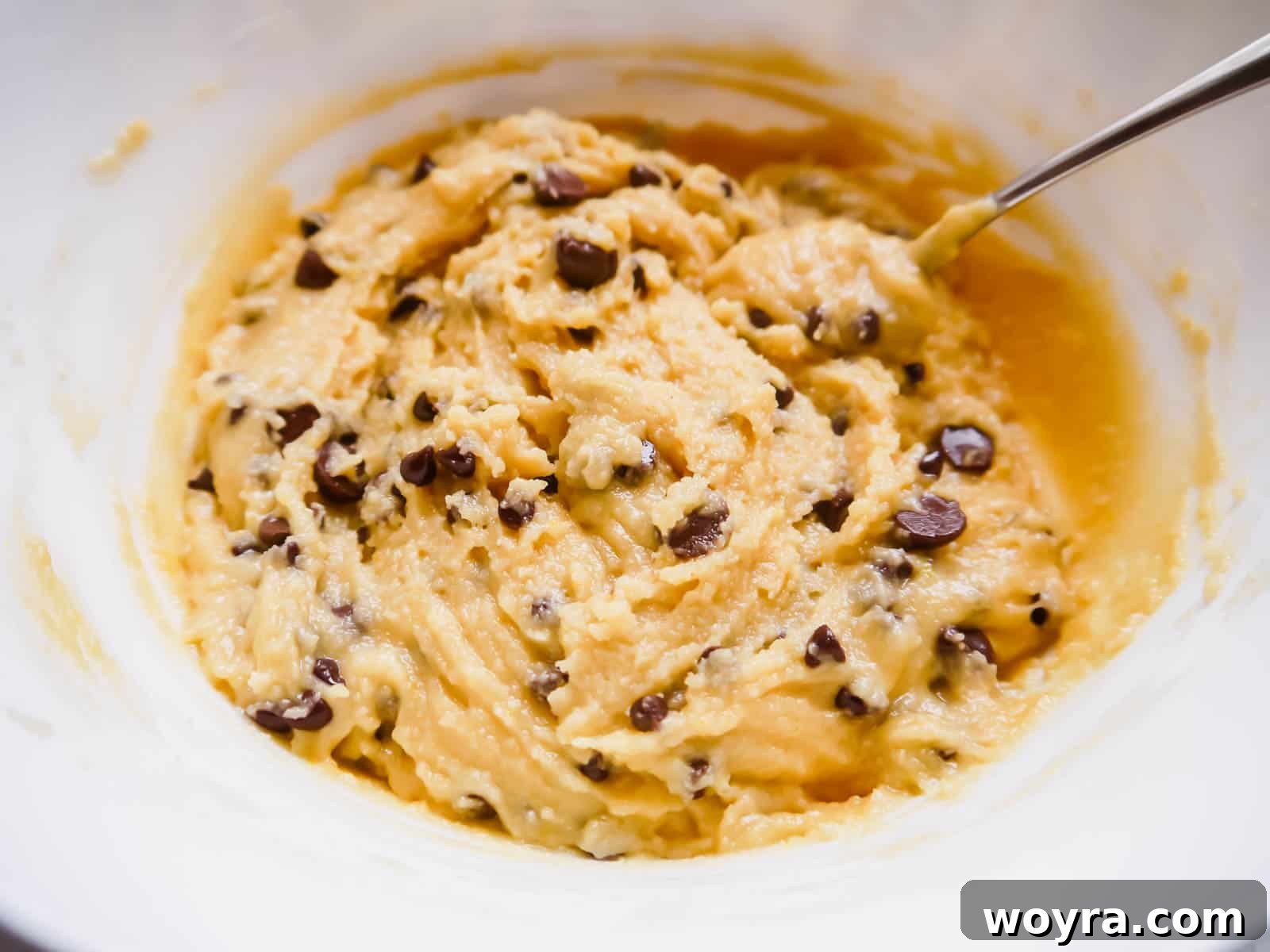
Step 3: Integrate and Fold. Gently pour the dry ingredient mixture into the bowl containing your whisked wet ingredients. Using a sturdy fork or a spatula, mix until a cohesive cookie dough batter begins to form. Be careful not to overmix; stop once no dry streaks remain. Finally, fold in your chosen dairy-free chocolate chips until they are evenly distributed throughout the dough. Allow the dough to rest for 5-10 minutes – this brief rest allows the flours to fully hydrate, especially the coconut flour, resulting in a more uniform and manageable dough.
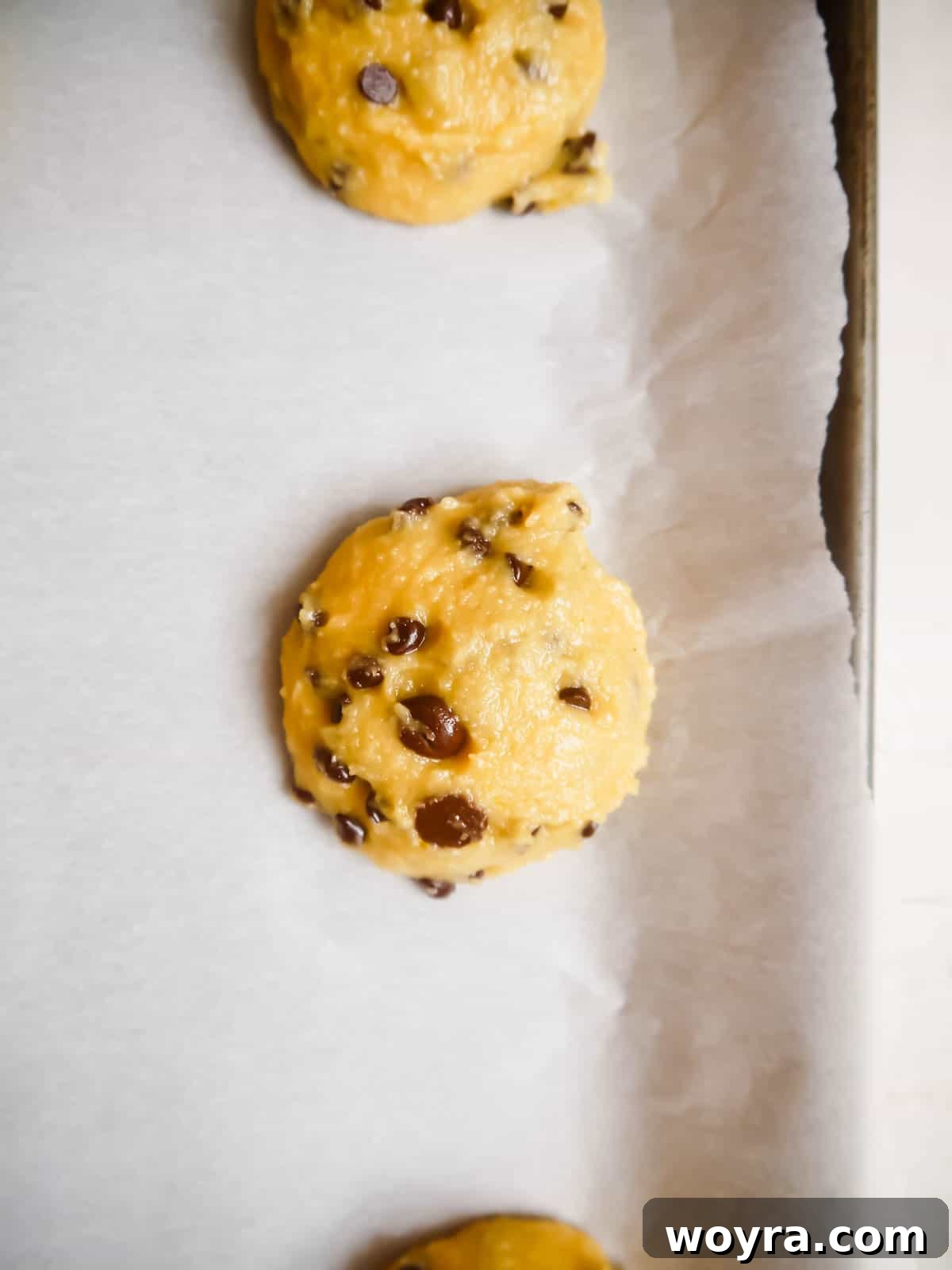
Step 4: Scoop and Arrange. Preheat your oven to 350°F (175°C). Line a baking sheet with parchment paper or a silicone baking mat; this prevents sticking and promotes even baking. Using a cookie scoop (approximately 2.5-3 tablespoons per cookie), or simply measure out about 2.5 to 3 tablespoons of dough per cookie, roll the dough into uniform balls. Place these dough balls onto the prepared cookie sheet, ensuring ample space between each one. These cookies will spread and puff up during baking, so crowding the pan can lead to unevenly baked or merged cookies. For optimal results, bake 6-9 cookies at a time per standard baking sheet.
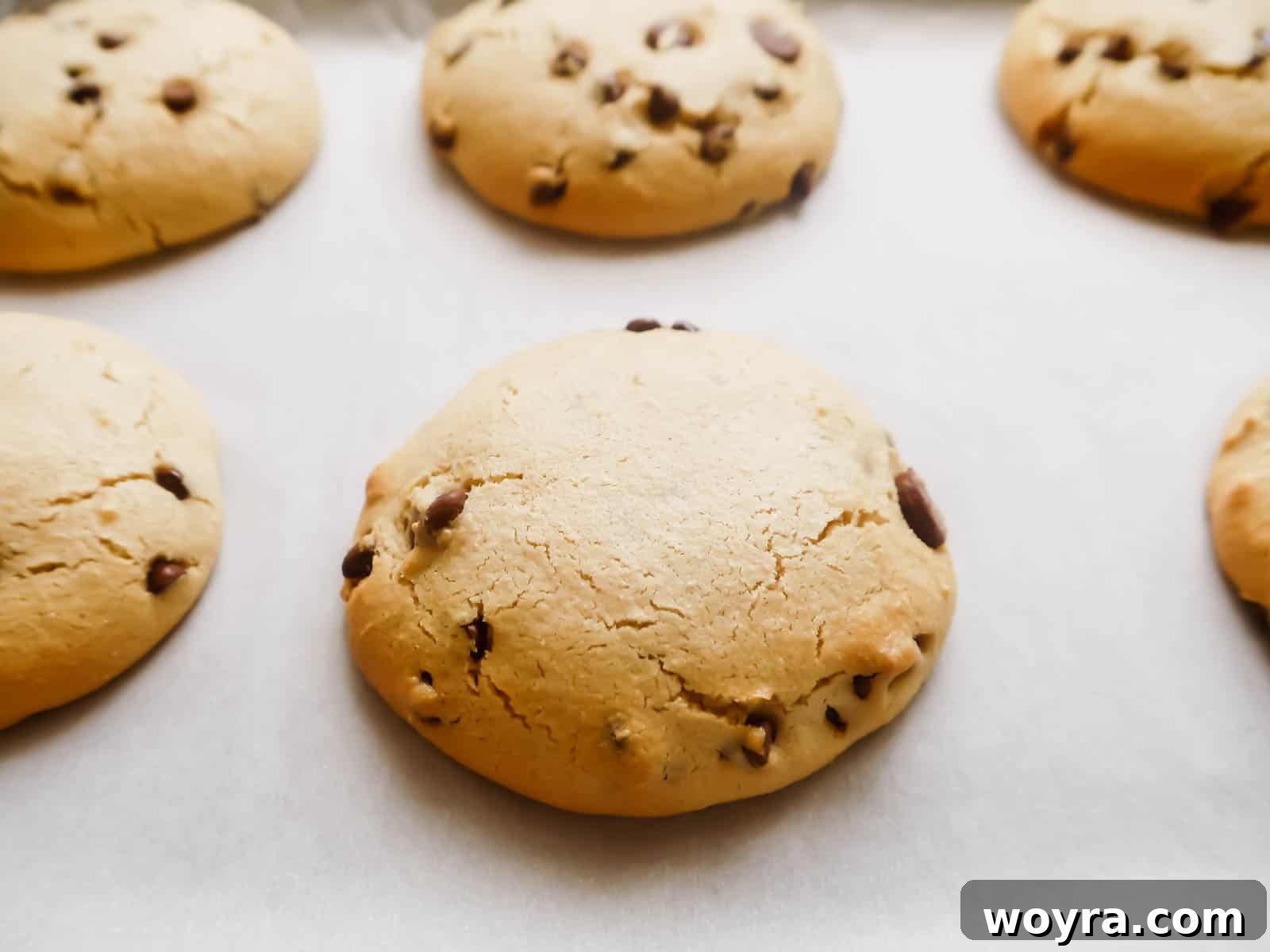
Step 5: Bake and Cool. Place the baking sheet into your preheated oven and bake for 10-12 minutes. The exact baking time will depend on your oven and desired texture. Look for cookies that have puffed up, appear slightly set around the edges, and are just barely golden on top. They might still seem quite light in color in the center, and that’s perfectly normal – resist the urge to overbake! Overbaking is the quickest way to dry out these wonderfully soft cookies. Once baked, remove the cookie sheet from the oven and allow the cookies to cool on the sheet for 25-30 minutes. This crucial cooling period allows them to firm up and continue baking slightly from the residual heat, setting their structure and enhancing their soft, chewy interior. If you can resist, waiting is key for the best texture!
Expert Baking Tips for Flawless Results
Achieving the perfect soft and chewy gluten-free chocolate chip cookie is an art, but with these expert tips, you’ll master it every time:
- Accurate Dough Portioning: For uniform baking and consistent cookie size, always use a cookie scoop. Aim for 2.5-3 Tablespoons of cookie dough per cookie. This ensures they spread evenly and bake through at the same rate.
- Prevent Crowding: Never overcrowd your baking pan. These cookies spread and puff up beautifully during baking, and giving them ample space (typically 6-9 cookies per standard sheet) prevents them from merging and allows for optimal heat circulation, leading to even baking and better shape.
- The Golden Rule of Not Overbaking: This is arguably the most critical tip for achieving soft cookies.
- This recipe suggests a baking time of 10-12 minutes. Keep a close eye on them!
- You might be tempted to leave them in longer until they’re deeply golden, but resist! Take them out when the edges are set and lightly golden, even if the centers still look pale and slightly underdone.
- Baking for 10 minutes typically results in a delightful balance – a puffy, cakey exterior with a wonderfully gooey center.
- Baking for 12 minutes yields a slightly firmer, more uniformly cakey cookie, still soft but less gooey.
- Remember that cookies continue to cook for a few minutes on the hot baking sheet after they are removed from the oven. This residual heat is essential for setting their structure without drying them out.
- Cooling is Crucial: Patience is a virtue, especially when it comes to cooling. Allowing the cookies to cool fully on the baking sheet for 25-30 minutes before transferring them helps them firm up, prevents breakage, and locks in that perfect soft texture. Transferring them too soon can cause them to fall apart.
- Room Temperature Ingredients: Ensure your egg is at room temperature. This helps it emulsify better with the oil and maple syrup, creating a smoother, more uniform batter.
- Don’t Skimp on the Rest Time: The short 5-10 minute rest for the dough after mixing is important. It allows the flours, especially coconut flour, to hydrate fully, leading to a better-textured cookie that is less prone to spreading too thin.
Storage and Freezing Instructions
To keep your gluten-free chocolate chip cookies fresh and delicious for as long as possible, follow these storage and freezing tips:
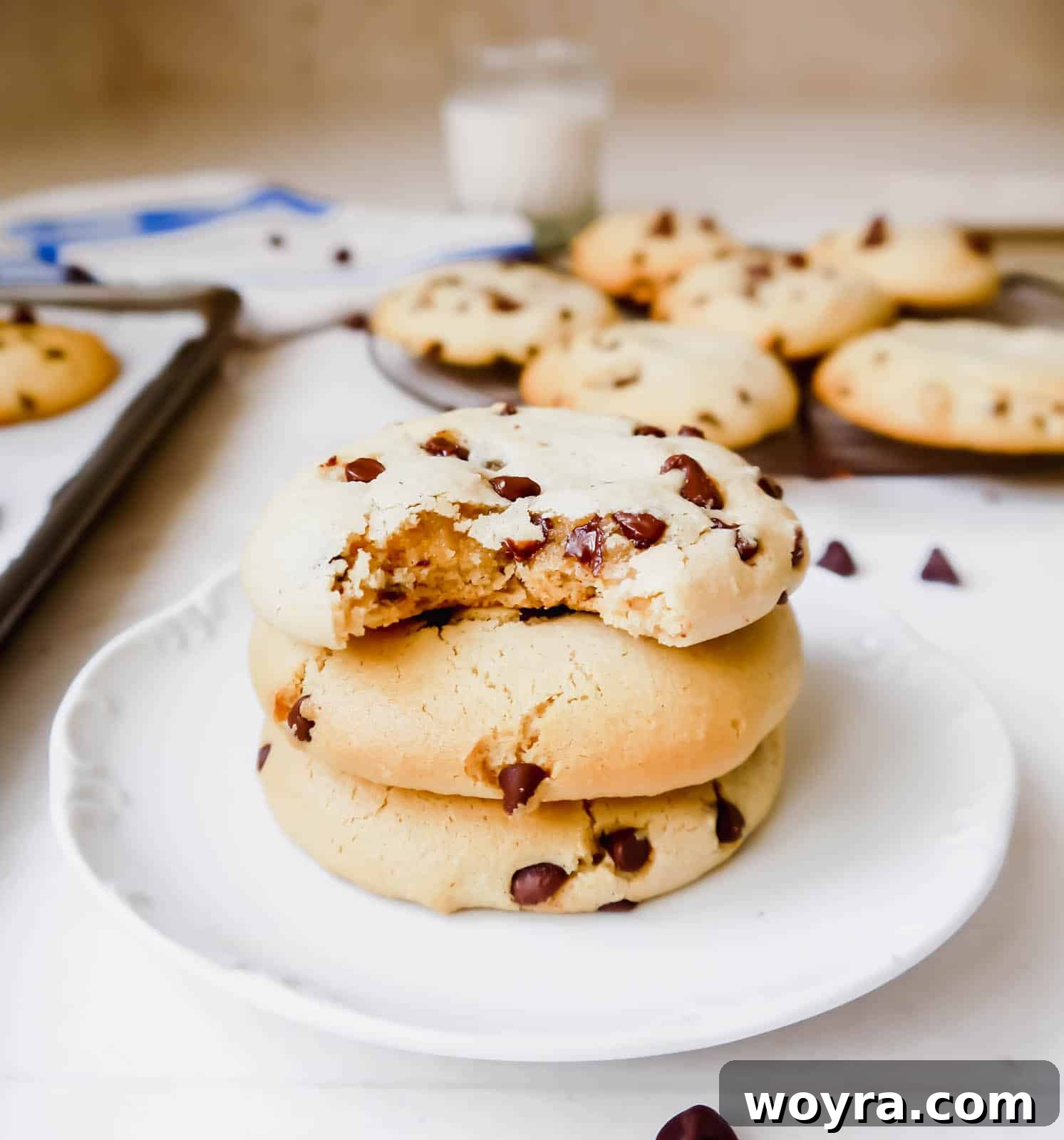
- Room Temperature: Store baked cookies in an airtight container at room temperature for up to 3-4 days. For optimal freshness, place a slice of bread in the container with the cookies; the bread will absorb moisture, helping to keep the cookies soft.
- Refrigerator: While not strictly necessary, you can store baked cookies in an airtight container in the refrigerator for up to a week. They might become slightly firmer when chilled, but will soften up quickly at room temperature or with a quick reheat.
- Freezing Baked Cookies: These cookies freeze beautifully! Once completely cooled, place them in a single layer on a baking sheet and freeze for about an hour until firm. Then, transfer the frozen cookies to a freezer-safe airtight container or a heavy-duty freezer bag. They can be stored for up to 2-3 months. Thaw at room temperature or gently reheat in a microwave or oven for a “freshly baked” experience.
- Freezing Cookie Dough: You can also freeze the unbaked cookie dough. Scoop the dough into balls as instructed, place them on a parchment-lined baking sheet and freeze until solid. Transfer the frozen dough balls to a freezer-safe bag or container. When ready to bake, place frozen dough balls on a prepared baking sheet and bake as directed, adding an extra 2-4 minutes to the baking time.
Frequently Asked Questions (FAQs)
Here are some common questions about baking these gluten-free and Paleo chocolate chip cookies:
- Can I make these cookies vegan?
This recipe uses one egg for binding and structure. While you can experiment with a flax egg (1 tablespoon ground flaxseed + 3 tablespoons water, let sit for 5 minutes), note that this may alter the cookie’s texture, potentially making them denser. Results may vary.
- Why do you use olive oil instead of butter?
Using olive oil makes these cookies naturally dairy-free and contributes to their incredibly moist and tender texture. It also offers a healthier fat profile compared to butter. Make sure to use a light-flavored olive oil to avoid a strong olive taste.
- Is blanched almond flour essential?
Yes, blanched almond flour is highly recommended. It’s made from almonds with their skins removed, resulting in a finer, lighter texture compared to almond meal (which includes skins). This fine texture is crucial for achieving a smooth, bakery-style crumb in your cookies without any grittiness.
- My cookies spread too much! What happened?
Over-spreading can occur for a few reasons:
- Overmixing the dough: Develops too much air.
- Warm dough: Ensure your dough isn’t too warm. If your kitchen is hot, chill the dough for 15-30 minutes before scooping.
- Oven temperature: An oven that isn’t hot enough can cause cookies to spread before setting. Use an oven thermometer to verify accuracy.
- Ingredient measurements: Ensure you’ve measured your flours precisely, especially coconut flour, which is very absorbent. Too little flour can lead to excessive spreading.
- Can I use a different sweetener?
Maple syrup is ideal for its moisture content and flavor. Substituting with other liquid sweeteners like honey might work, but it will change the flavor and possibly the texture slightly. Granulated sweeteners would require significant adjustments to the liquid ratio, which is not recommended for this specific recipe.
- How do I get a gooey center?
To achieve a gooey center, bake the cookies for the shorter end of the recommended time (around 10 minutes). The edges should be just set and very lightly golden, while the center still appears soft and slightly underbaked. They will continue to firm up as they cool.
Other Gluten-Free Cookie Recipes You’ll Love
If you enjoyed these soft and chewy gluten-free chocolate chip cookies, be sure to explore more of our delightful gluten-free cookie creations:
Did you try this recipe? Please leave me a ⭐ review below!
Soft Gluten Free Chocolate Chip Cookies (Paleo)
Dominique
12 cookies
10
10
20

Ingredients
- 1/2 cup light-flavored olive oil
- 1/2 cup pure maple syrup
- 2 teaspoon vanilla extract
- 1 large egg
- 1 cup blanched almond flour
- 1 cup tapioca flour
- 3 Tablespoon coconut flour
- 1/2 teaspoon baking soda
- 1/4 teaspoon salt
- 3/4 cup dairy-free chocolate chips (a mix of mini and regular morsels works great for texture)
Instructions
-
Preheat oven to 350°F (175°C). Line a cookie sheet with parchment paper or a silicone baking mat.
-
In a large bowl, whisk together the olive oil, maple syrup, vanilla extract, and egg until the mixture is well combined and slightly thickened.
-
In a separate bowl, combine the almond flour, tapioca flour, coconut flour, baking soda, and salt. Mix thoroughly with a fork until all dry ingredients are fully integrated.
-
Gradually add the dry ingredients into the wet ingredients bowl. Mix with a fork or spatula until a soft, uniform cookie dough forms. Be careful not to overmix. Gently fold in the dairy-free chocolate chips until evenly distributed. Allow the cookie dough to rest for 5-10 minutes to allow the flours to hydrate.
-
Using a cookie scoop (about 2.5-3 tablespoons per cookie), scoop dough balls and place them on the prepared cookie sheet. Ensure adequate spacing between each cookie, as they will spread during baking. A standard cookie sheet can comfortably hold 6-9 cookies at a time.
-
Bake for 10-12 minutes. The cookies are done when they have puffed up, the edges are lightly set and very slightly golden, and the centers still appear soft. Do not overbake! They will continue to set as they cool.
-
Remove the cookie sheet from the oven and let the cookies cool on the sheet for 25-30 minutes. This crucial step helps them firm up and prevents them from breaking when transferred. Once cooled, enjoy your incredibly soft and chewy gluten-free chocolate chip cookies! This recipe yields 12 large cookies.
Notes
• 10 minutes = puffy, cakey with a gooey center.
• 12-12.5 minutes = slightly firmer, more uniformly cakey texture.
Also, actual cook times will vary based on your oven’s calibration. An oven thermometer can be very helpful.
For ingredient swaps:
- Instead of olive oil, you can use avocado oil.
- Instead of tapioca flour, you can use arrowroot powder at a 1:1 ratio.
Nutrition
Carbohydrates: 28g
Protein: 3g
Fat: 18g
Saturated Fat: 4g
Polyunsaturated Fat: 1g
Monounsaturated Fat: 7g
Trans Fat: 0.002g
Cholesterol: 14mg
Sodium: 104mg
Potassium: 38mg
Fiber: 2g
Sugar: 14g
Vitamin A: 20IU
Calcium: 51mg
Iron: 1mg
Nutrition information is automatically calculated, so should only be used as an approximation.
Additional Info
Dessert
American